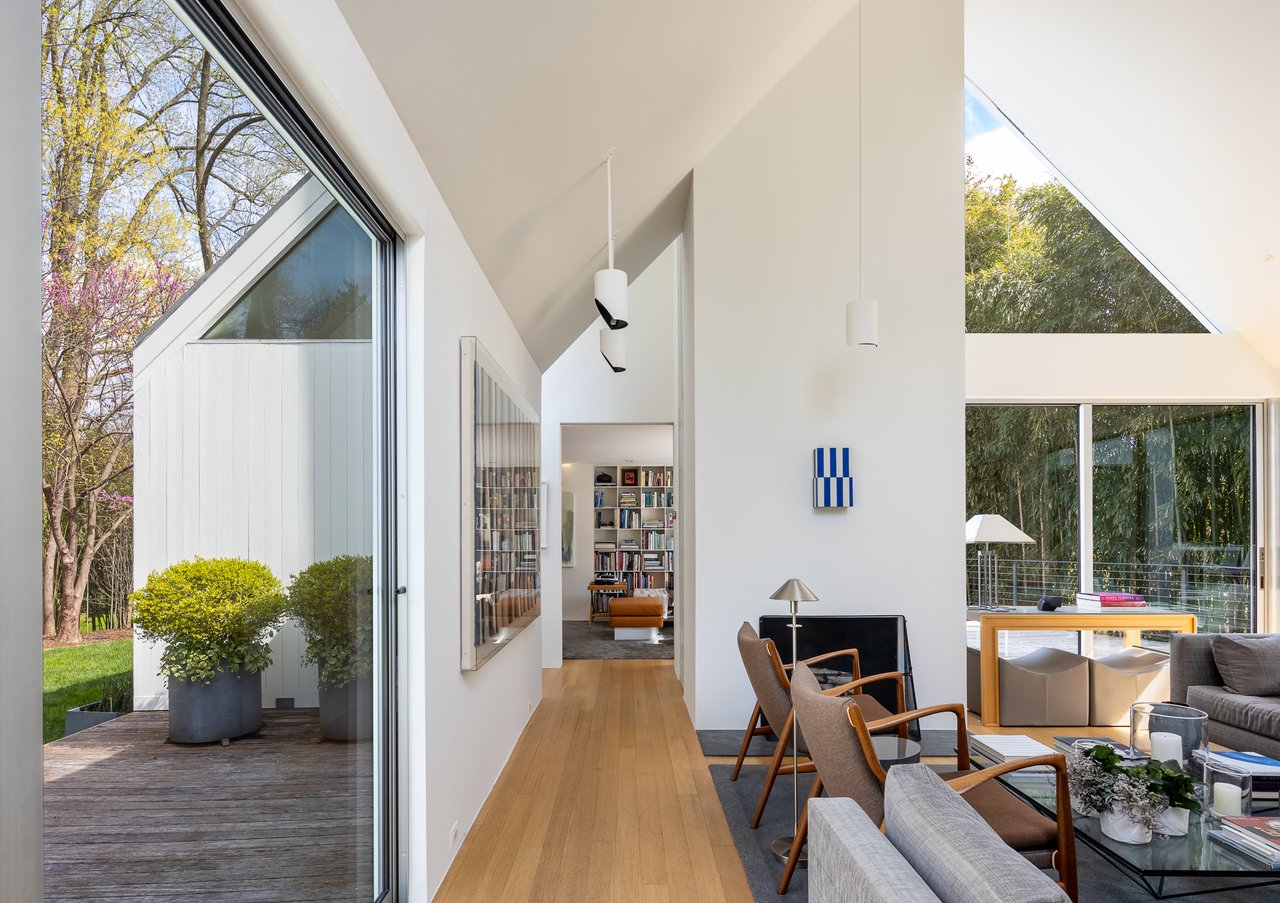
These homes are not interchangeable.
They are authored works.
Understanding this distinction is essential for positioning, evaluating, and presenting them.
Architect-designed homes behave differently in the market.
Their value is not determined solely by comparable sales, square footage, or standard features.
It is shaped by authorship, design intent, material execution, and context.
These homes are not interchangeable.
They are authored works.
Understanding this distinction is essential for positioning, evaluating, and presenting them.
Traditional real estate systems are built for comparability and scale.
The MLS framework organizes homes through standardized fields such as price per square foot, bedroom count, and location.
These systems function effectively for conventional housing.
They fail when applied to architecture.
When significant modern homes are reduced to uniform data points, their defining qualities are lost.
Proportion, spatial experience, material authenticity, and design intent are not captured in standardized fields.
The result is distortion.
Homes with fundamentally different architectural qualities are treated as comparable.
Value becomes flattened, and distinction is obscured.
Architectural value is constructed through a different set of variables.
Authorship matters.
The architect’s body of work, philosophy, and influence shape how a home is understood and valued.
Design intent provides cohesion.
A clear architectural idea, carried through the home's structure, layout, and experience, defines its integrity.
Material integrity reinforces that intent.
Materials must align with the design and be executed with discipline and consistency.
Proportion and spatial logic guide the experience.
The relationship between volume, light, circulation, and scale cannot be reduced to metrics.
Context connects the home to its environment.
Orientation, landscape, and site integration all contribute to value.
Rarity limits supply.
Architect-designed homes with true coherence are not mass-produced.
These variables are not interchangeable.
They must be interpreted and communicated to be understood.
Because their value is constructed differently, homes shaped by design behave differently in the market.
They do not follow uniform pricing patterns.
Comparable sales provide partial context but not a complete explanation.
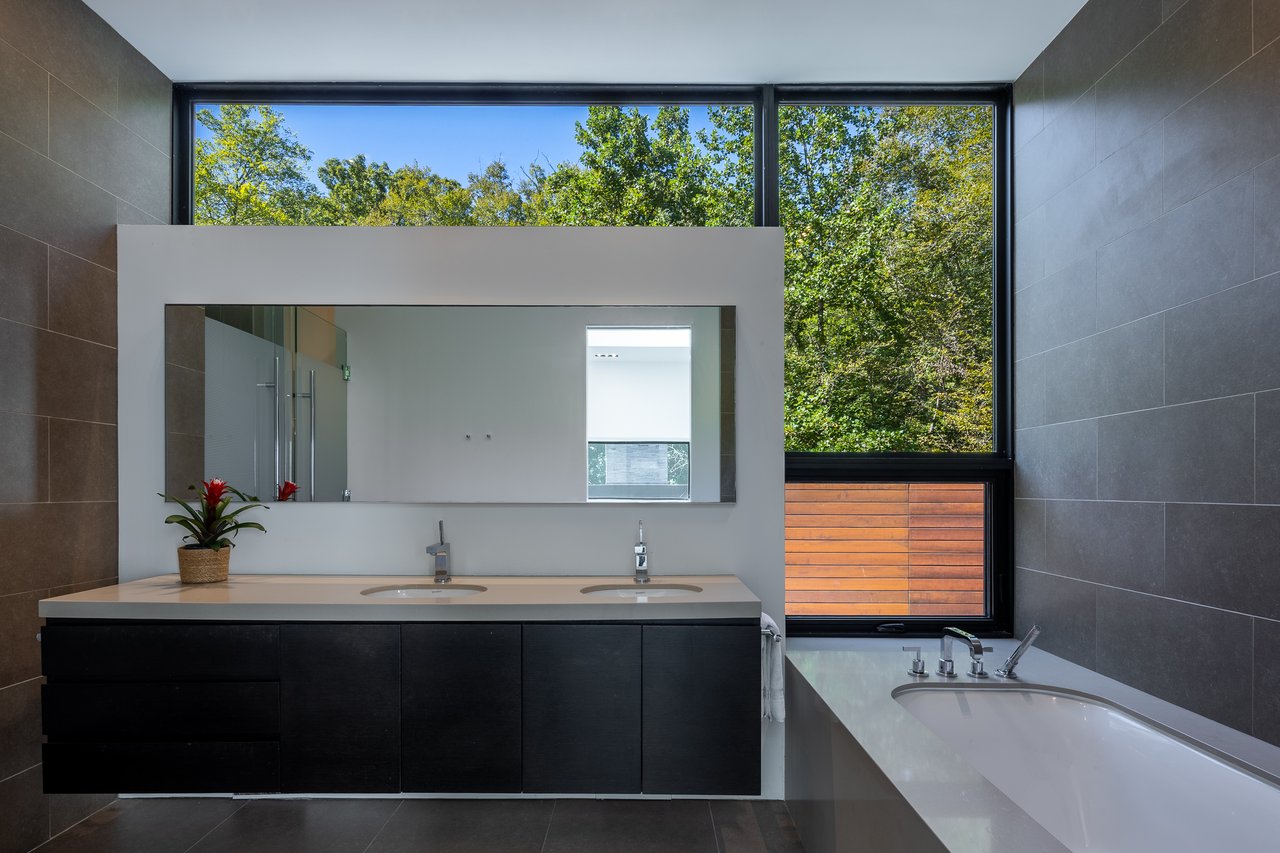
Buyer pools are smaller, but more informed.
The right buyer recognizes design intent and assigns value accordingly.
Time on market can vary.
When positioned correctly, these homes attract aligned buyers.
When positioned incorrectly, they are overlooked or misinterpreted.
Pricing is sensitive to presentation.
The way a home is framed directly influences how it is perceived.
Market performance is not just a function of exposure. It is a function of alignment.
Architect-authored homes share characteristics with other collectible categories.
In watches, value is shaped by the maker, movement, and rarity.
In design furniture, value is tied to the designer, edition, and provenance.
In art, value is driven by authorship, period, and cultural relevance.
Architecture operates similarly.
These homes are authored objects that are lived within.
They carry intellectual lineage, design philosophy, and cultural context.
They are not defined by similarity.
They are defined by distinction.
Viewing architecture through this lens clarifies why standard valuation methods fall short and why narrative and context matter.
Curation provides structure to a fragmented market.
It establishes a signal.
It indicates that a home belongs within an architectural conversation.
It provides context.
It explains why the home matters and how it should be understood.
It creates alignment.
It connects the home with a design-literate audience.
Positioning extends this further.
Presentation, sequencing, and narrative shape perception.
When executed with discipline, the intent behind the architecture is revealed, and buyers can evaluate it correctly.
Exposure alone is not sufficient. Placement must be aligned.
Architect-designed homes require a different market.
listModern provides the structure, context, and audience to support that difference.
Continue Exploring
Explore architectural homes, View Case Studies, or position your home within a system designed for alignment.