If you own a modern home in Washington, DC, timing matters, but not always in the same way it does for a more typical listing. Architecturally distinct homes often attract a smaller, more intentional buyer pool, which means the best moment to sell depends on both market seasonality and how well your home is presented. In this guide, you’ll see what current DC data suggests, why spring is usually the key window, and how to think about timing for a design-driven sale. Let’s dive in.
Why timing matters in DC
Washington, DC showed a clear winter-to-spring market improvement in 2026. According to DCAR and Bright MLS data, closed sales rose from 341 in January to 500 in March and 643 in May. Over the same stretch, average days on market improved from 62 in January to 56 in March and 41 in May.
Pricing strength improved too. The sold-to-original-list ratio moved from 94.4% in January to 96.3% in March and 97.7% in May. That tells you spring brought stronger buyer engagement and better seller outcomes than the winter market.
By early summer, the picture was still active but more selective. DCAR reported 654 closed sales in June 2026, a $700,000 median sales price, 2,721 active listings, 835 new listings, and 614 new pending sales. In other words, buyers were still in the market, but sellers had more competition and less automatic momentum than in peak spring.
Why spring is often best
For many Washington, DC sellers, the strongest launch window is usually in spring. Broad seasonal research points to mid-to-late March as a prime selling period for DC, while East Coast markets often continue performing well into May. That lines up with local monthly data showing stronger conditions in March, April, and May than in January.
This does not mean there is only one exact week to list. Weekly models can show a March sweet spot, while monthly market reports can show strong April and May results. For you as a seller, the practical takeaway is simple: prepare early so you can enter the market during the spring upswing, not after it has passed.
If you also need to buy your next home, timing becomes even more important. New listings often peak in late spring and early summer, fresh inventory tends to peak in mid-summer, and better discounts often show up in late summer and early fall. Selling in spring can give you a stronger sale window while positioning you for more options on your next purchase.
Why modern homes follow a different rhythm
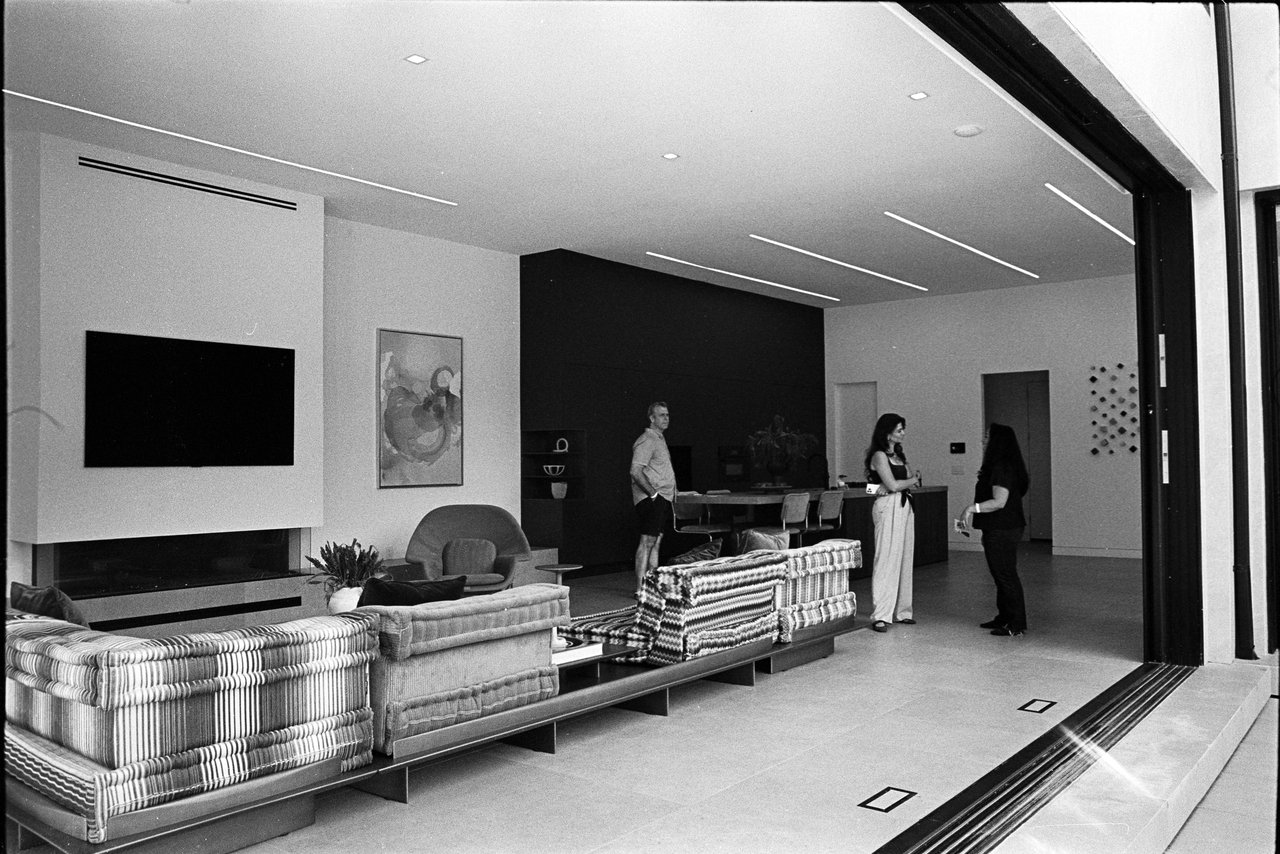
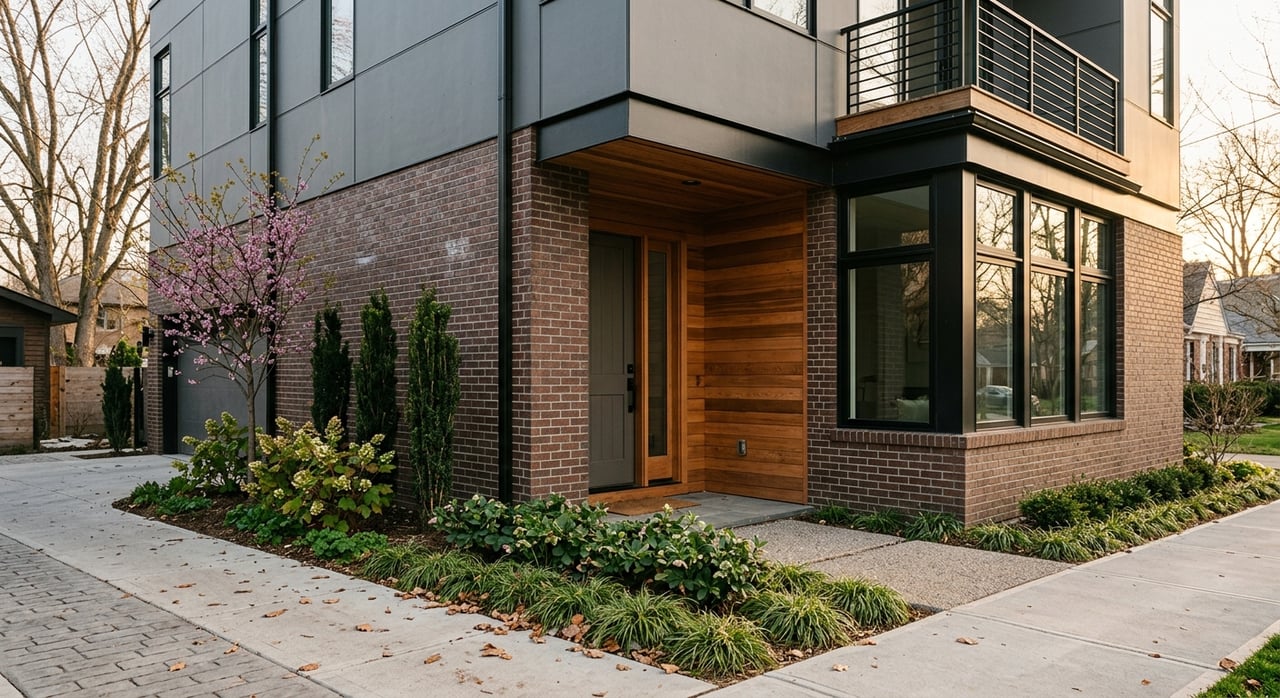
A modern home in DC is not just another luxury property. Many modern and mid-century homes are isolated examples or part of small clusters within otherwise more traditional streetscapes. Features like open plans, flat or sloped roofs, large expanses of glass, and landscaped terraces can make these homes highly memorable, but they also appeal to a more design-aware audience.
That niche matters in Washington. Census QuickFacts shows that 64.2% of adults age 25 and older in DC hold a bachelor’s degree or higher, and the city’s median household income is $109,870. Along with the area’s strong architecture and preservation culture, that helps explain why DC has a meaningful pool of buyers who recognize and value design authenticity.
The city also has a deep preservation ecosystem. The DC Preservation League notes that Washington has more than 800 individual landmarks and over 70 historic districts, while Docomomo US/DC focuses on awareness and protection of Modern architecture in the region. For sellers, that means a well-positioned modern home can resonate with buyers who care about provenance, materials, and architectural intent.
What current demand says about design-driven homes
The broader DC metro market cooled some into summer 2026. Bright MLS’s June 2026 Home Demand Index put overall metro demand at 81, down from 102 the prior month and 106 a year earlier. That points to a market that remained active, but less aggressive than earlier in the season.
Yet the same report showed luxury single-family demand at 104. That is notably stronger than the metro average. For a modern home seller, this suggests that high-end, design-forward properties may hold attention better than the broader market when conditions become more selective.
That distinction is important. A modern home with strong architecture, clear design provenance, and thoughtful presentation may perform more like a niche luxury offering than like the citywide median sale. So while spring is usually the ideal season, a truly special property can still compete well outside the very hottest window if the marketing is precise.
Best timing for your modern home sale
For most sellers of modern homes in Washington, DC, the best strategy is to aim for a spring launch. In many cases, that means preparing your home in winter so you are ready to list between mid-March and May. This window tends to align with stronger buyer activity, faster market pace, and better pricing leverage.
That said, the exact launch point should depend on your home and your goals. A highly distinctive architect-designed property may benefit from a little more preparation time if that leads to stronger media, more polished storytelling, and better-targeted exposure. Rushing a design-driven listing to market rarely creates the same result as a carefully timed debut.
Here is a simple way to think about it:
- List in early spring if your home is ready and you want to capture rising demand.
- List in late spring if you need a bit more runway for presentation but still want seasonal momentum.
- List in summer only if the home is exceptional, the marketing is highly intentional, or your personal timeline requires it.
Prepare before the market peaks
For modern homes, preparation is part of timing. Buyers in this segment often respond to more than square footage and finish level. They notice line, light, materials, spatial flow, and the relationship between the house and its site.
That means your pre-listing timeline should allow for thoughtful decisions. Professional media, design-sensitive staging, and strong editorial positioning can help buyers understand what makes the home meaningful. When that work is done well, your launch enters the market with clarity instead of noise.
A rushed listing can miss the mark, even in a favorable season. If your home needs photography at the right time of day, landscape touch-ups, or a narrative that explains the architecture, build that into your calendar. For many sellers, the best “time to sell” actually starts weeks before the home goes live.
DC costs and timing details to remember
Washington sellers should also account for local transaction costs and property rules as they plan. The District’s Office of Tax and Revenue says sellers should budget for both deed transfer tax and deed recordation tax. For residential transfers of $400,000 or more, each tax is 1.45% of the consideration or fair market value.
If your home will be vacant before the sale, timing matters in another way too. The DC Department of Buildings says vacancy exemption rules changed effective October 1, 2025. For a single-family residential building, a property that is simply listed for sale can qualify for only half a tax year of exemption.
This is especially relevant if you plan to move out before listing, or if your property may sit empty during preparation or marketing. A careful launch schedule can help reduce carrying risk while keeping the home presented at its best.
Signs you should list sooner
Sometimes waiting for the “perfect” week can cost more than it saves. If buyer demand is still healthy, your home is market-ready, and new competing listings are building, listing sooner may be the better move. In a selective market, freshness matters.
You may also want to move earlier if your home aligns with what buyers are actively seeking. A turnkey modern residence, a strong indoor-outdoor connection, or a well-preserved architect-designed home can stand out even when the broader market softens. In that case, strategic exposure can matter more than squeezing for one more seasonal data point.
Signs you should wait
On the other hand, waiting can make sense if your presentation is not yet where it needs to be. If your home would benefit from landscaping, repairs, decluttering, or better visual storytelling, a short delay may improve your result. For a modern home, details shape perception quickly.
You might also hold for a better launch window if you are entering a slower seasonal period and do not have a time-sensitive reason to sell. In DC, that usually means being cautious about missing spring momentum unless your home has an unusually strong niche appeal. The goal is not just to list, but to launch well.
The bottom line on timing
For most modern homes in Washington, DC, spring remains the strongest selling season. Local 2026 data shows clear improvement from winter into spring, and broader seasonal patterns support a mid-March through May window. At the same time, design-driven homes can behave differently from the broader market, especially when they are marketed with care to the right audience.
If you are thinking about selling, the right question is not only when should I list? It is also when will my home be fully ready to meet its best buyer? In a market like DC, those two answers should shape your strategy together.
When you’re ready to position your property with a more design-minded approach, listModern can help you sell a modern home with strategy, storytelling, and targeted exposure.
FAQs
When is the best time to sell a modern home in Washington, DC?
- For most sellers, the strongest window is spring, especially from mid-March through May, when 2026 local market data showed stronger sales activity, lower days on market, and better sold-to-list performance.
Does a modern home in Washington, DC sell differently than a typical luxury home?
- Yes. A modern home often appeals to a more specific, design-aware buyer pool, so timing, presentation, and targeted marketing can matter even more than they do for a broader luxury listing.
Is summer a bad time to sell a modern home in Washington, DC?
- Not necessarily, but the market became more selective by summer 2026. Exceptional modern homes may still perform well, especially when luxury single-family demand remains stronger than the broader metro market.
What Washington, DC taxes should sellers plan for when selling a home?
- In DC, sellers should budget for both deed transfer tax and deed recordation tax. For residential transfers of $400,000 or more, each tax is 1.45% of the consideration or fair market value.
What should I know if my Washington, DC home will be vacant before sale?
- The District’s vacant-building rules may affect your timeline. A single-family residential property that is simply listed for sale can qualify for only half a tax year of vacancy exemption.
Should I wait until spring to list my Washington, DC modern home?
- Spring is often the strongest season, but waiting only makes sense if the extra time will improve your presentation, media, or overall launch strategy. If your home is already ready and demand is healthy, listing sooner may be the better move.