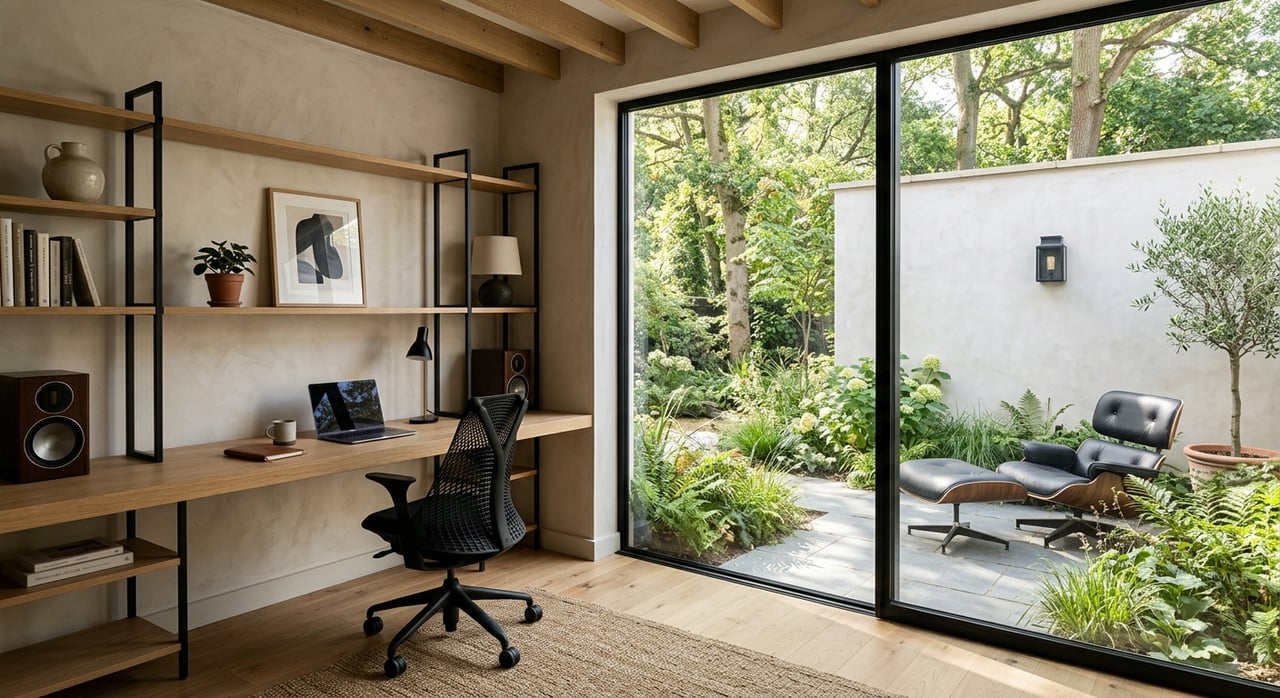
If you are drawn to modern homes in Maryland, you are probably looking for more than clean lines and good staging. You want a home that feels thoughtful, lives well day to day, and respects the relationship between architecture and site. In Maryland’s modern market, that usually means paying attention to layout, light, outdoor space, and the integrity of the home itself. Let’s dive in.
Why design-minded buyers focus on function
Modern buyers often respond first to how a home works, not just how it photographs. Zillow’s 2024 buyer research found that 69% of buyers said the floor plan had to fit their preferences, which makes layout one of the clearest early filters in a home search.
That matters even more in architecturally driven homes, where the plan often shapes the whole experience of the property. Sightlines, room flow, privacy, and the way public and private spaces are separated can all influence whether a home feels intuitive.
Zillow also found that 86% of buyers were more likely to view a home if the listing included a floor plan. For design-minded shoppers, that is not a small detail. It is often the fastest way to understand whether a home’s architecture supports the way you actually live.
Layout clarity leads the search
Floor plans help buyers decide
In Maryland’s modern-home market, a strong floor plan can be just as persuasive as beautiful photography. Buyers use it to assess circulation, room proportions, and how connected spaces feel before they ever schedule a showing.
This is especially true for homes with split levels, open stairs, courtyards, terraces, or additions. A clear plan helps you see whether those features feel cohesive or complicated.
Flexible space matters more now
Today’s buyers are not always looking for one formal office behind a closed door. Research cited in the report shows growing interest in flexible rooms and smaller work zones, including den areas, lounge nooks, desk corners, reading rooms, and other adaptable spaces.
That shift fits modern homes well. Many mid-century and contemporary homes already include secondary spaces that can evolve with your needs, whether you want a quiet work corner, a media room, or a place to read and recharge.
Natural light still defines modern appeal
Large windows shape the experience
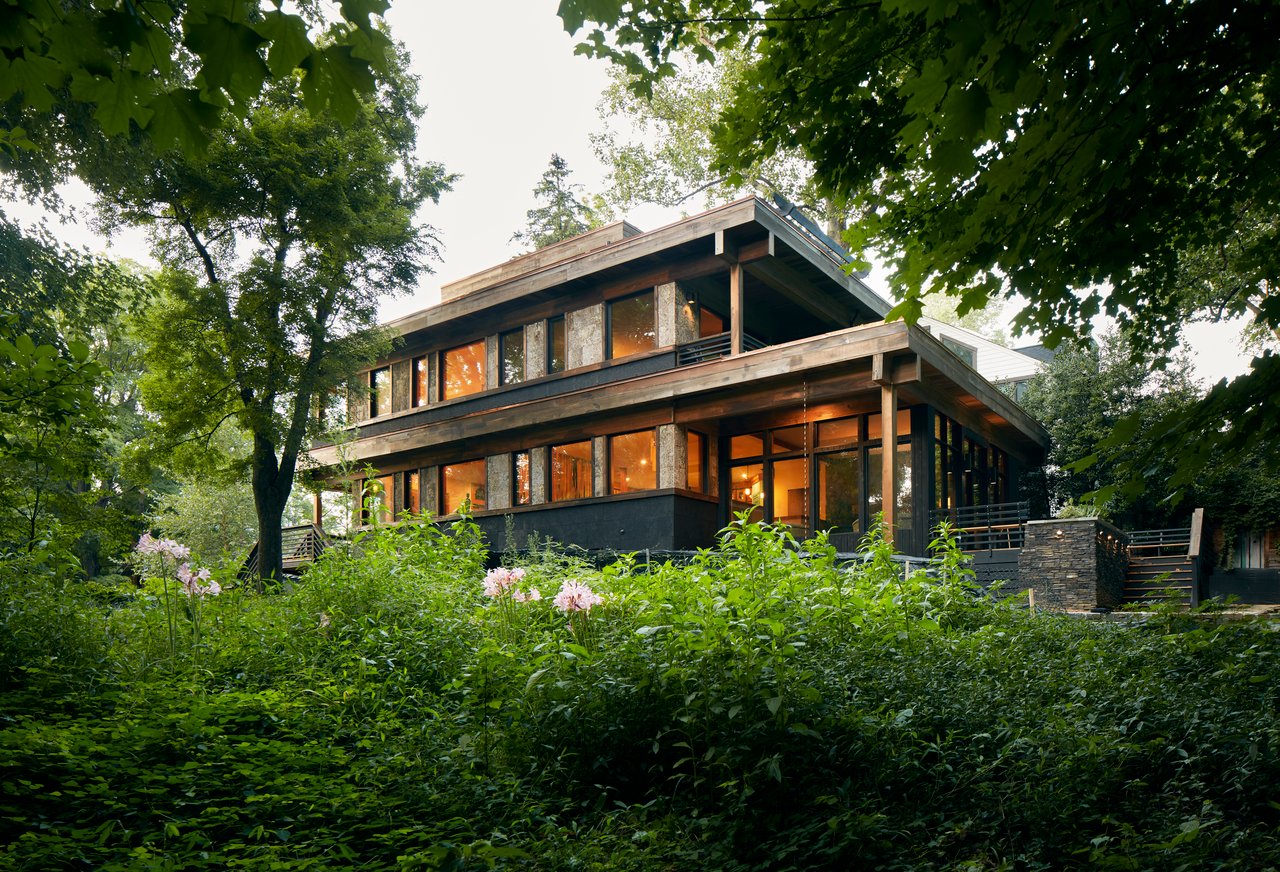
For many buyers, modern design begins with light. Houzz trend reporting shows rising interest in large windows and skylights, while local planning records in Montgomery County show how Maryland modern communities were often designed around solar orientation, expansive glass, glazed transoms, and strong visual connections to the outdoors.
That design logic still resonates. When a home captures daylight well, frames wooded views, or opens toward a terrace or garden, it often feels calmer and more connected to its setting.
The outdoors should feel present
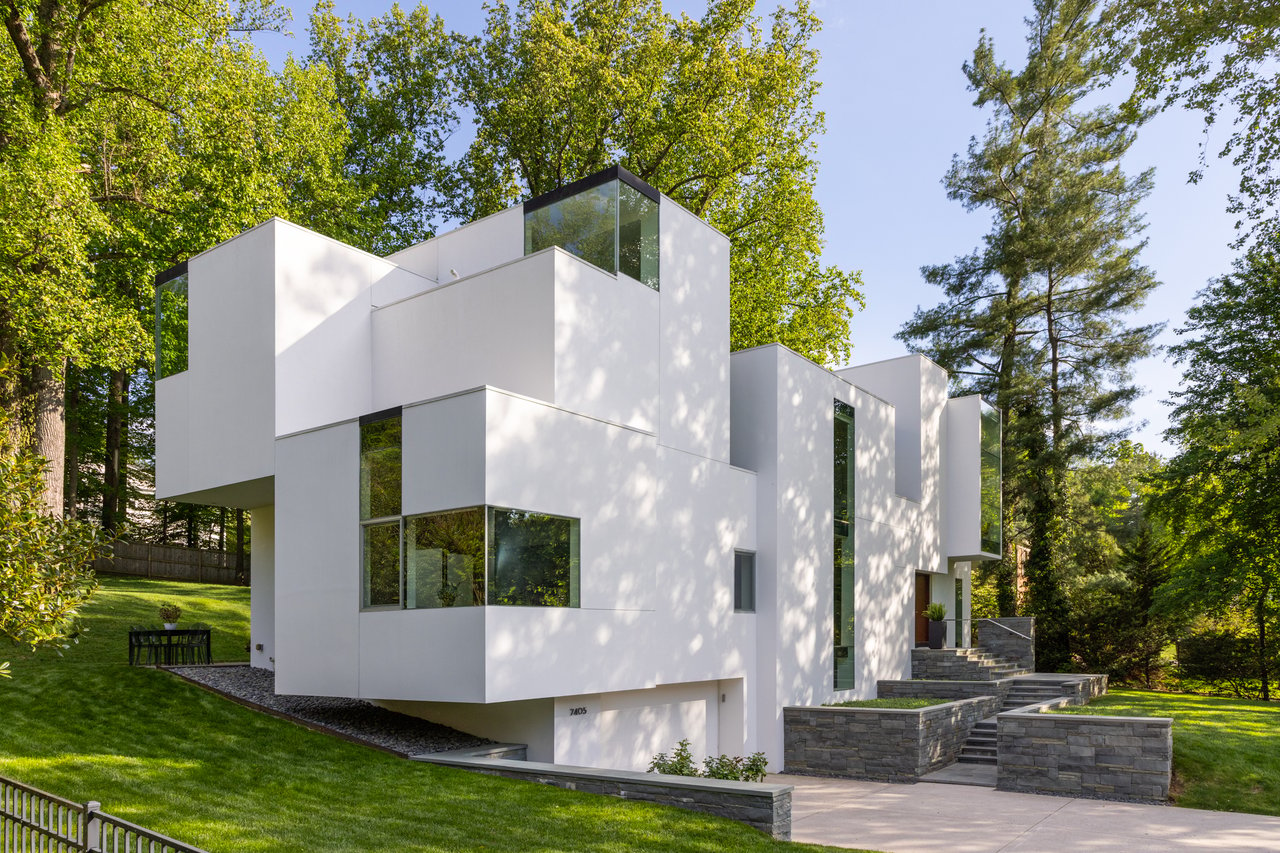
Design-minded buyers usually notice whether the outside feels like part of the home. In the best modern properties, the landscape is not just background. It is part of the architecture.
Montgomery Planning’s documentation of communities like Carderock Springs highlights planning around sloping lots, tree canopy, preserved trees, and site orientation. In practical terms, that means buyers may value not only the house itself, but also how it sits on the land and how it engages its surroundings.
Outdoor space is not optional
Private outdoor space remains one of the strongest buyer priorities. Zillow found that 70% of buyers said private outdoor space was very or extremely important, which makes patios, terraces, decks, and yards central to the conversation.
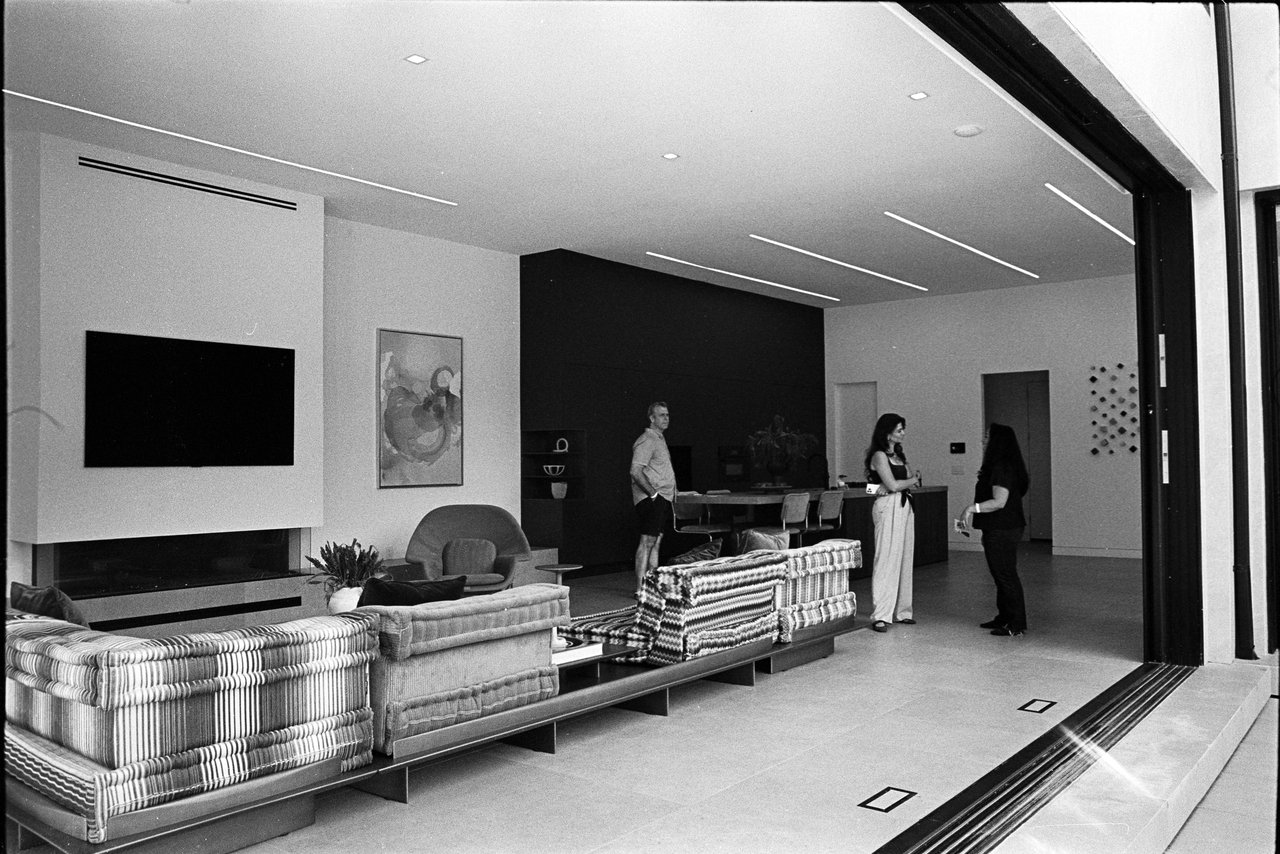
For modern homes, buyers often want outdoor space that feels usable and intentional. A terrace off the living room, a screened porch, or an entertaining area that reads as an extension of the interior can carry more weight than a large but disconnected yard.
Houzz trend coverage also points to continued interest in outdoor entertaining spaces and seamless indoor-outdoor flow. That helps explain why buyers often respond to homes where materials, sightlines, and access points make exterior living feel integrated.
Walkability and context influence value
A modern home does not exist in a vacuum. Zillow’s 2024 survey found that 62% of buyers rated a walkable neighborhood as highly important, and buyers also continue to weigh shopping, services, community feel, and commute access.
For Maryland buyers, that means the setting around the home can matter almost as much as the home’s architecture. You may be evaluating how easily you can move through daily life, as well as how the property feels once you are inside it.
In modern enclaves and architecturally notable communities, context can take on another layer. Buyers may pay attention to whether the neighborhood has a coherent planning story, a relationship to the landscape, or a history of modern design that supports the home’s long-term appeal.
Authentic materials are gaining favor
Warm finishes feel more grounded
Design trends are moving away from overly stark interiors and toward warmer, more natural palettes. Houzz reporting points to growing interest in organic modern spaces that blend clean lines with natural materials, medium-toned wood, stone, plaster, brick, handmade tile, and earthy colors.
For buyers, this often reads as substance rather than trend. A modern home can still feel crisp and refined while also feeling warmer, more tactile, and more connected to nature.
Original character still matters
In Maryland’s design-conscious market, buyers are often alert to whether updates honor the original architecture. That does not mean every detail must be untouched. It means changes tend to resonate more when they feel honest to the home.
The research report also notes that durable improvements such as windows, doors, roofs, and material integrity may matter more to many modern buyers than cosmetic updates that obscure original design intent. That is especially relevant in homes with architectural provenance or in documented modern communities.
Maryland has a distinct modern legacy
Montgomery County’s Montgomery Modern program documents several important mid-century communities and buildings from the late 1940s through the 1960s. That local record helps explain why some Maryland buyers approach modern homes with a preservation mindset as well as a design mindset.
For example, Carderock Springs is a subdivision of 360 modernist houses northwest of Bethesda, and Potomac Overlook is a 19-house modernist district overlooking the Potomac River that became the county’s first Mid-Century Modern historic district. These are not just isolated houses. They are part of a broader architectural story within the region.
When buyers shop in places like these, they may be looking beyond finishes and square footage. They may also be considering site planning, original design intent, and how carefully renovations have handled the home’s architectural character.
What buyers should know about historic considerations
Maryland’s historic framework can affect how some modern homes are maintained or improved. The Maryland Historical Trust notes that the National Register includes mid-century neighborhoods, and the state offers a homeowner tax credit that can cover 20% of eligible rehabilitation expenses, up to $50,000 in a 24-month period, for certified historic structures when work is approved before it begins.
That will not apply to every modern home, but it is a useful point to understand if you are considering a property with recognized historic status. The state also notes that some energy improvements can fit within historic rehabilitation work.
In parts of Montgomery County, preservation review may also matter before exterior changes are made. If you are considering a home in a designated district or a property with historic designation, checking those rules early can help you understand what is possible.
What this means for Maryland sellers
If you are preparing to sell a modern home, the features design-minded buyers care about most should shape how the home is presented. The research points to a few priorities that consistently stand out.
Show the plan, not just the finishes
Because buyers actively use floor plans to decide what to tour, layout should be front and center. Strong media should show how rooms connect, where natural light enters, and how the home moves from one zone to another.
Highlight indoor-outdoor living
If your home has a terrace, patio, balcony, screened porch, or yard that connects naturally to the interior, that should be part of the story. Buyers are responding to usable outdoor space, especially when it feels designed rather than added on.
Present rooms with flexibility
A secondary bedroom, den, loft, or landing can often do more than one job. When buyers can picture a space as a reading room, work zone, media nook, or guest retreat, the home can appeal to a wider range of lifestyles without losing its architectural identity.
Respect the architecture
Design-minded buyers tend to notice when renovations support the original home and when they fight against it. Honest materials, strong envelope maintenance, and updates that preserve the home’s architectural character often carry more weight than trend-driven changes.
If you are considering the sale of a modern property in Maryland, working with a team that understands provenance, presentation, and buyer psychology can make a meaningful difference. To explore a thoughtful approach to marketing and representation, connect with listModern.
FAQs
What do buyers want most in Maryland modern homes?
- Buyers often focus on layout, private outdoor space, natural light, walkability, and a strong connection between the home and its surroundings.
Why are floor plans important when selling a modern home in Maryland?
- Zillow’s 2024 research found that 86% of buyers were more likely to view a home if the listing included a floor plan, and 69% said the floor plan needed to fit their preferences.
How important is outdoor space for Maryland modern-home buyers?
- Private outdoor space is a major priority, with 70% of buyers in Zillow’s 2024 survey saying it was very or extremely important.
What design styles are resonating with modern buyers in Maryland?
- Buyers are responding to natural light, indoor-outdoor flow, flexible living spaces, and warmer natural materials such as wood, stone, plaster, brick, and handmade tile.
Are there historic considerations for some Maryland modern homes?
- Yes. Some modern homes may be in designated historic districts or qualify as certified historic structures, which can affect review requirements and may open the door to Maryland historic tax credits for eligible rehabilitation work.
Where are some notable modern-home communities in Maryland?
- Montgomery County includes recognized modernist communities such as Carderock Springs, with 360 homes, and Potomac Overlook, a 19-house historic district overlooking the Potomac River.