By listModern
With insights from Ron Mangas, Jr
Featured Homes
A Modern House Along Virginia's Northern Neck
Along Virginia's Northern Neck, the landscape often takes precedence over architecture. Rivers widen into the Chesapeake watershed, and long stretches of shoreline continue to feel removed from the pace of larger metropolitan areas. Kinsale sits within this setting, a small town shaped by water, agriculture, and a history that extends well beyond its size.
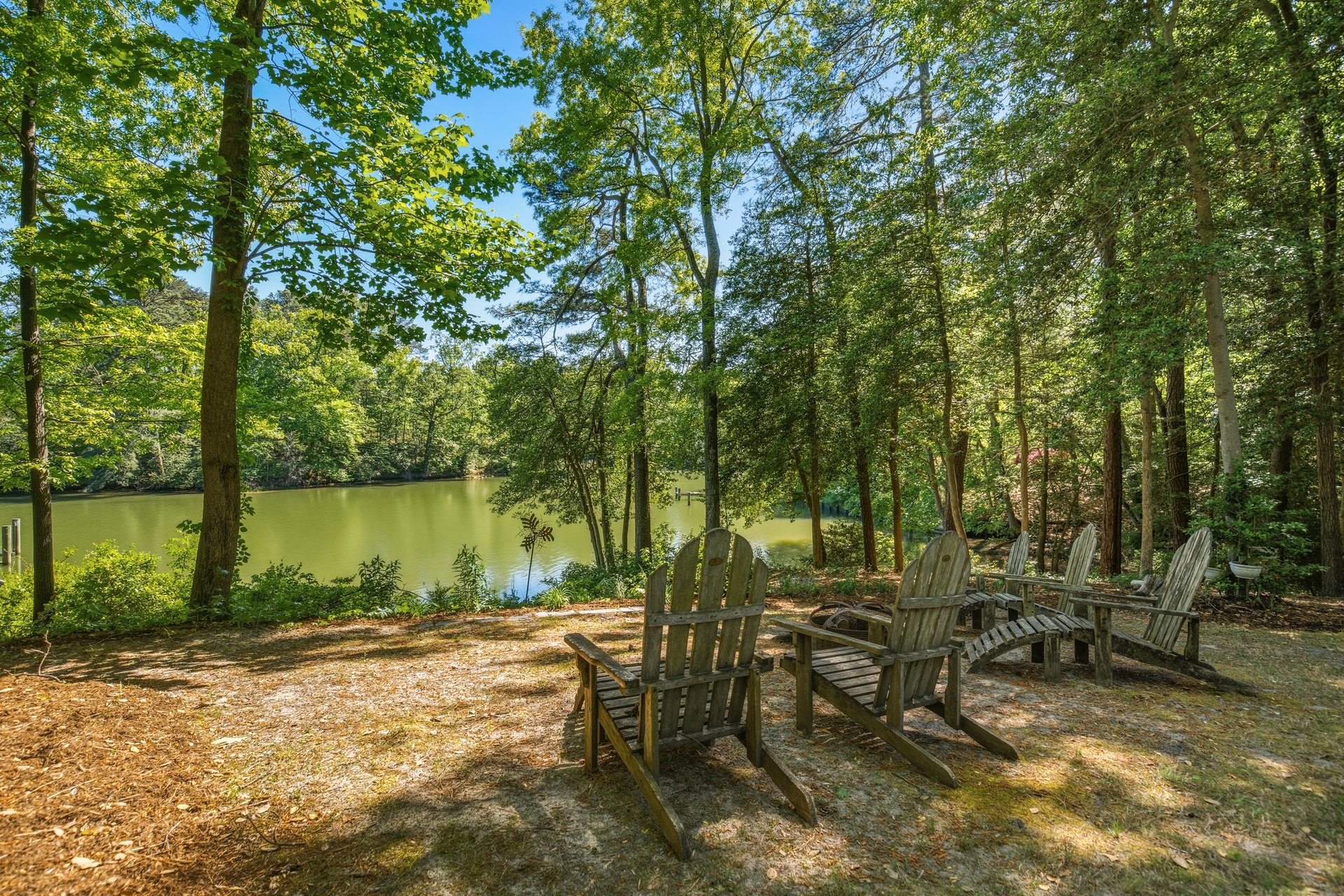
At 316 Gordon Road, those conditions become central to understanding the property. The house occupies 9.5 acres along Bonum Creek, a navigable waterway that connects to the Potomac River in roughly ten minutes by boat. The site combines waterfront access, open land, and architectural authorship in a way that is increasingly uncommon throughout the Chesapeake region.
A Different Chesapeake Condition
Many waterfront properties derive their appeal primarily from proximity to the water. Here, the experience is shaped equally by the land.
The property includes substantial open acreage, portions of which are currently used for agricultural purposes through a local farming arrangement. Rather than a narrow waterfront parcel, the site gradually unfolds from road to shoreline, creating a sense of separation that is difficult to replicate in more densely developed communities.
That relationship between land and water is one of the property's defining characteristics. The creek is immediately accessible, yet the broader landscape remains an active part of daily experience.
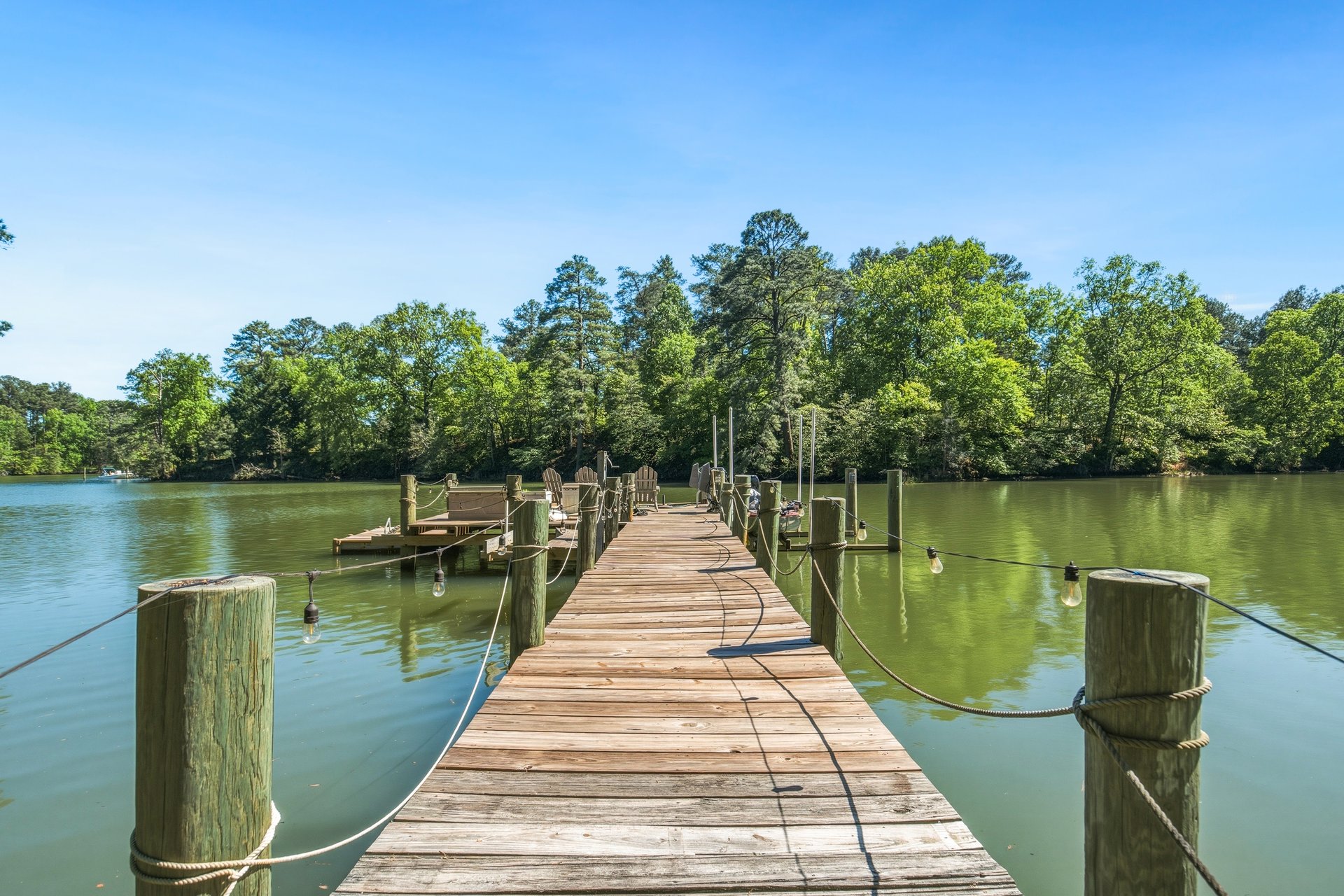
For boaters, the location offers direct access to the Potomac River, an expanded dock, water and electrical service at the pier, and an 8,500-pound boat lift. Recent improvements have focused not only on the house itself but also on strengthening the property's connection to the water.
Architectural Authorship
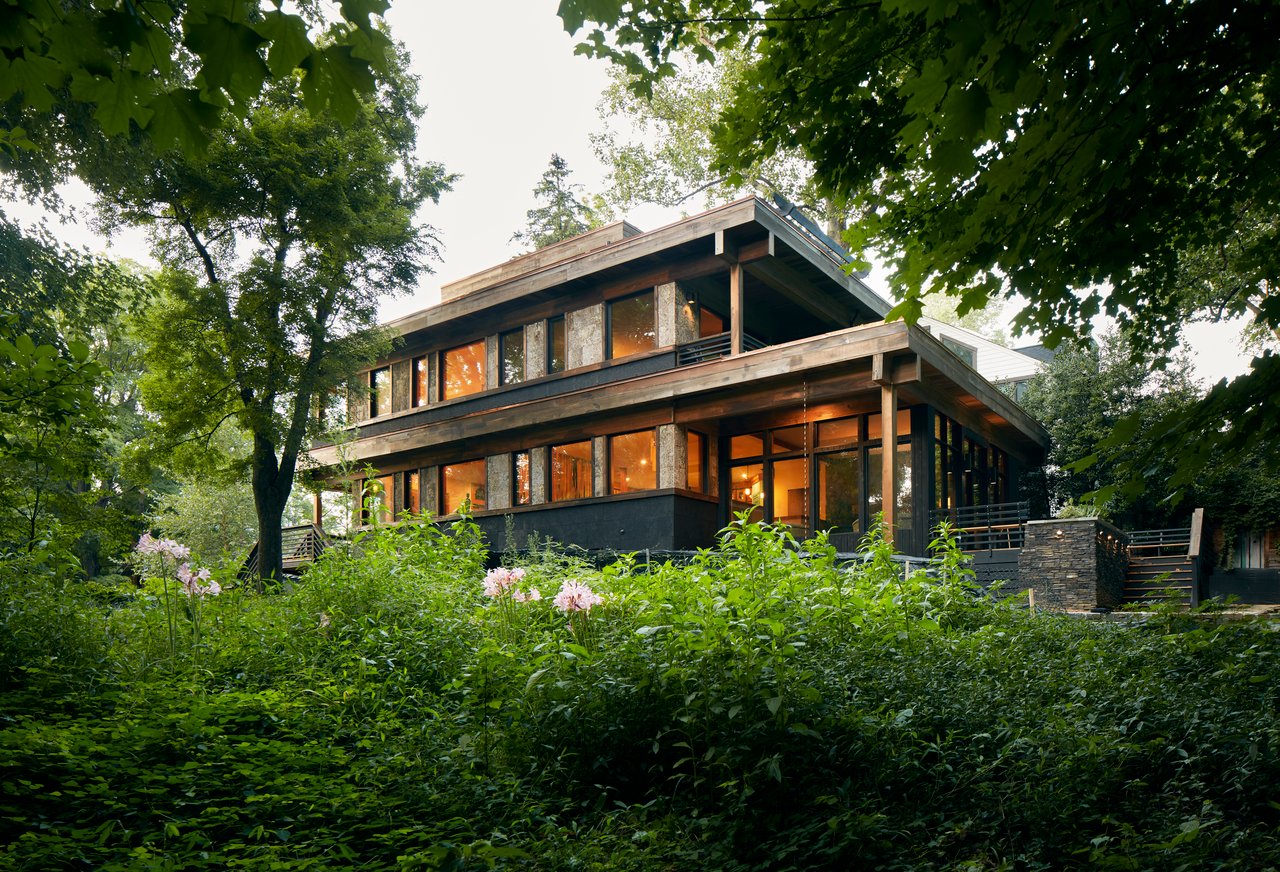
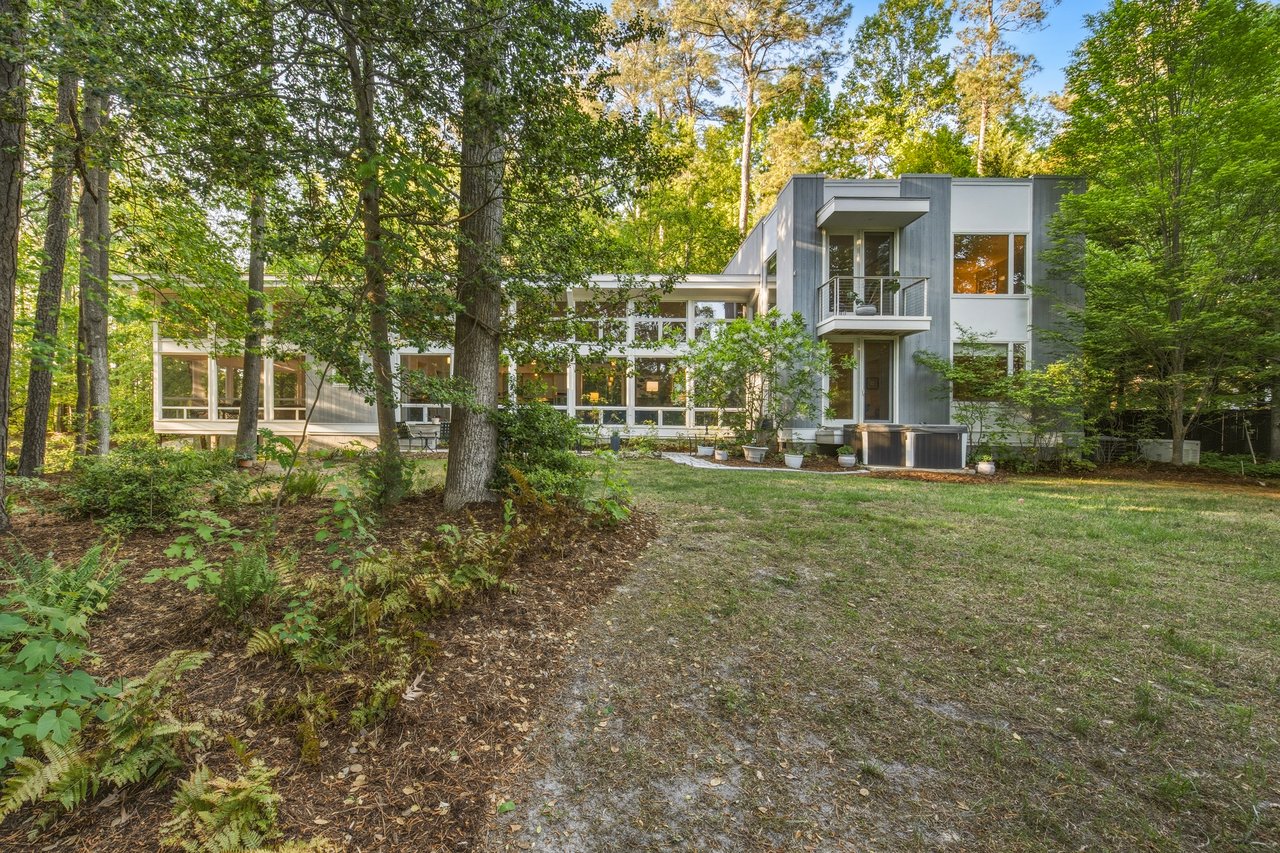
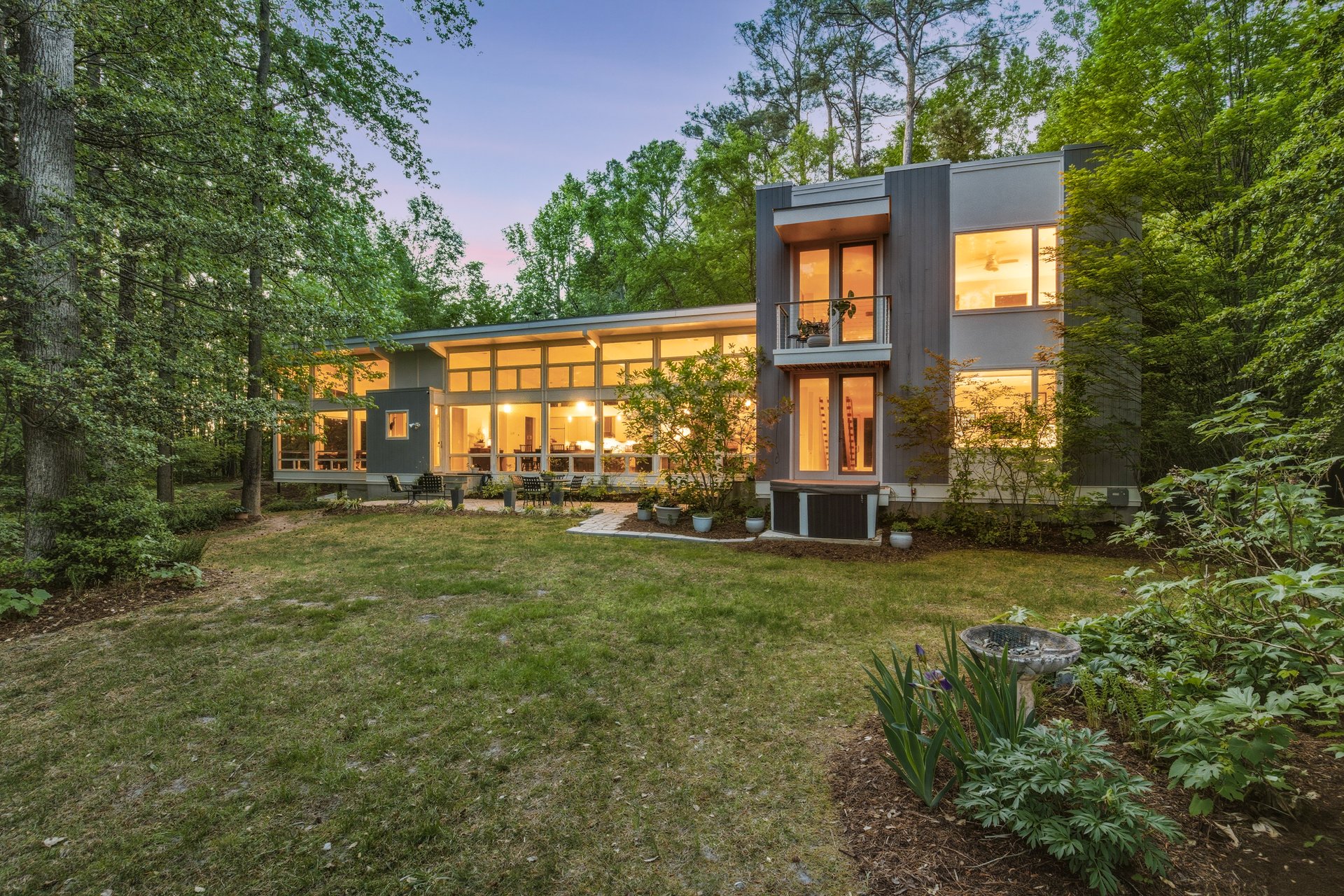
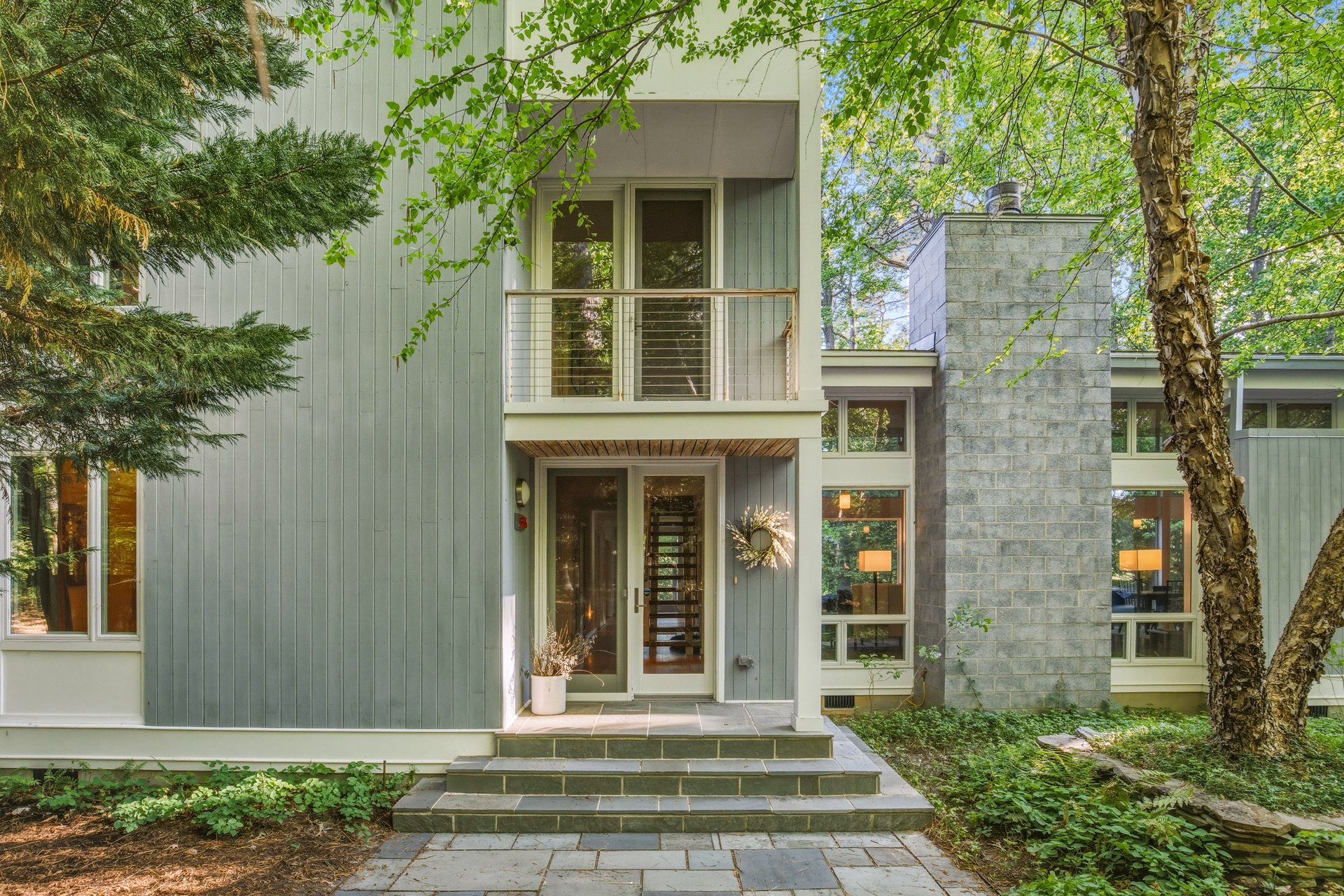
The residence was designed by a principal architect of Studio MB, the Washington-based practice known for residential projects that emphasize proportion, clarity, and a strong relationship to the site.
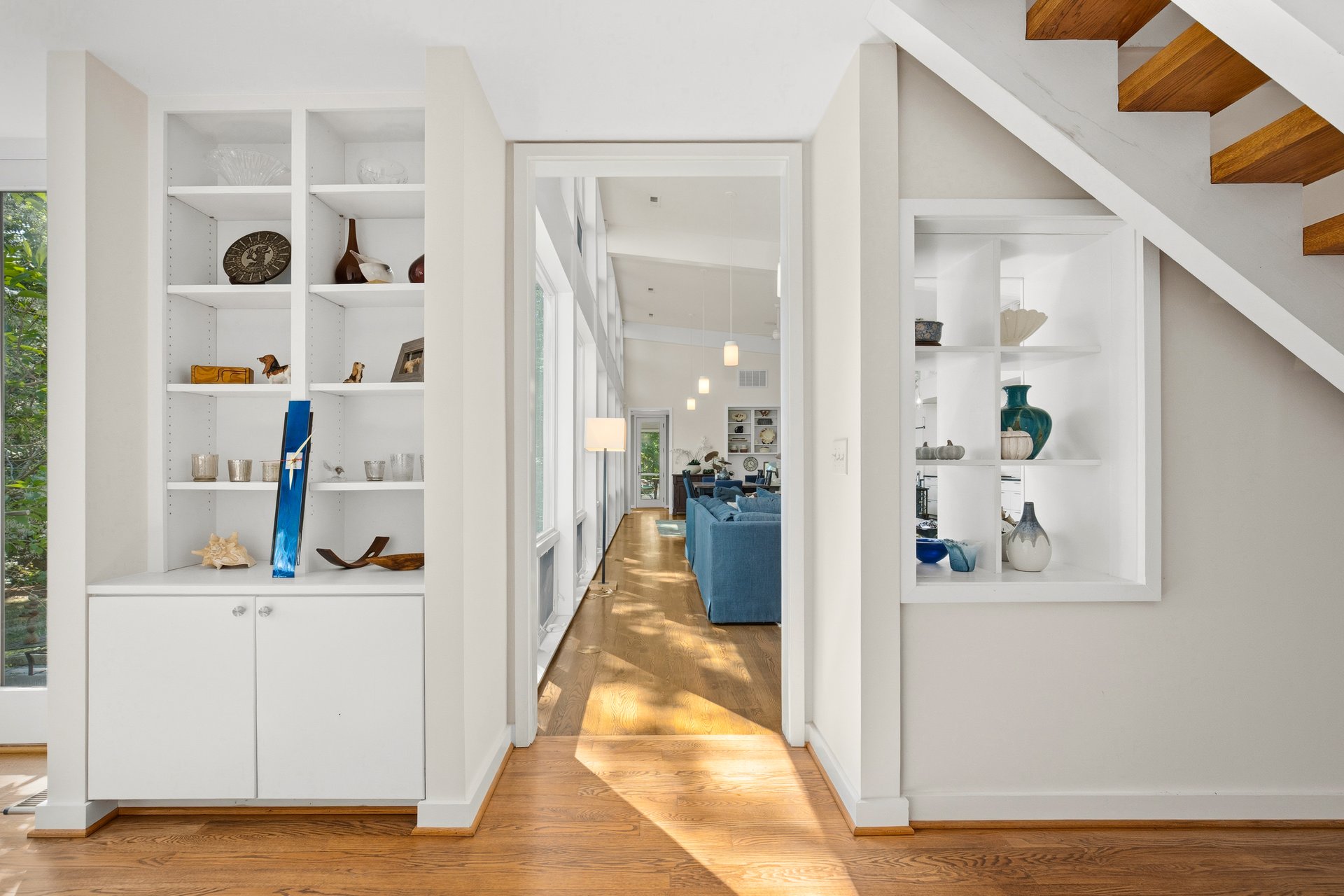
That background is evident in the home's approach. The architecture does not rely on stylistic excess or overt gestures. Instead, the design establishes a measured relationship to its surroundings, allowing the landscape to remain prominent while maintaining a clear architectural identity.
This balance feels particularly appropriate within the Northern Neck, where the strongest properties are often those that engage the environment without attempting to dominate it.
Living Between Water and Open Land
The appeal of the property extends beyond the house itself.
Bonum Creek remains part of a working waterfront landscape, with nearby oyster operations, marinas, and watermen who continue traditions that have shaped this region for generations. The surrounding community reflects that mix of permanence and practicality, bringing together longtime local families alongside professionals who have chosen the Northern Neck as a place to settle after careers elsewhere.
At the same time, the property remains connected. Warsaw, Montross, and Tappahannock provide everyday services, dining, and healthcare, while Richmond and Fredericksburg remain accessible for broader shopping and cultural amenities.
This combination of accessibility and separation has become increasingly difficult to find. Many waterfront markets have moved toward greater density and subdivision. Here, the landscape still retains a sense of scale.
Stewardship and Continuity
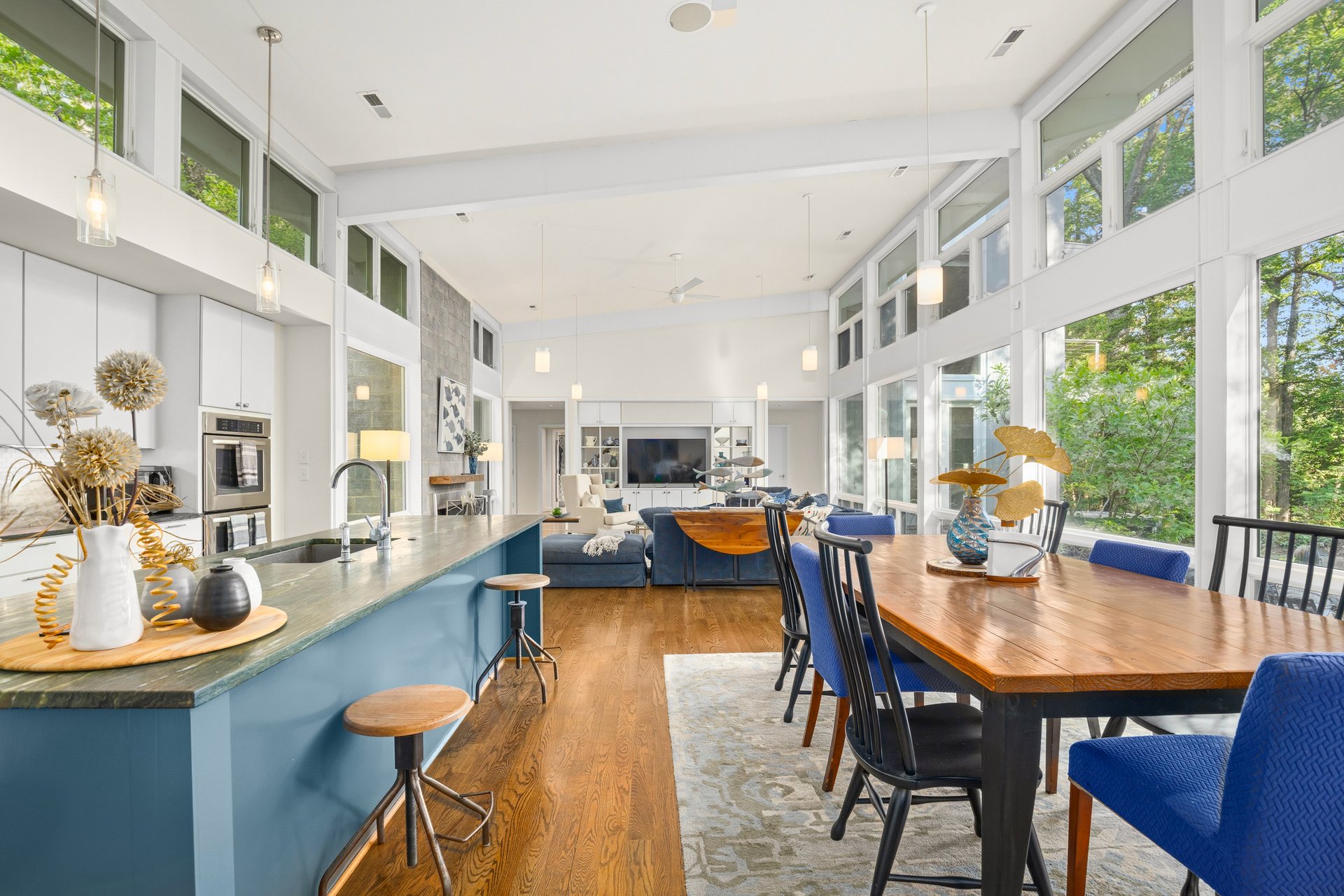
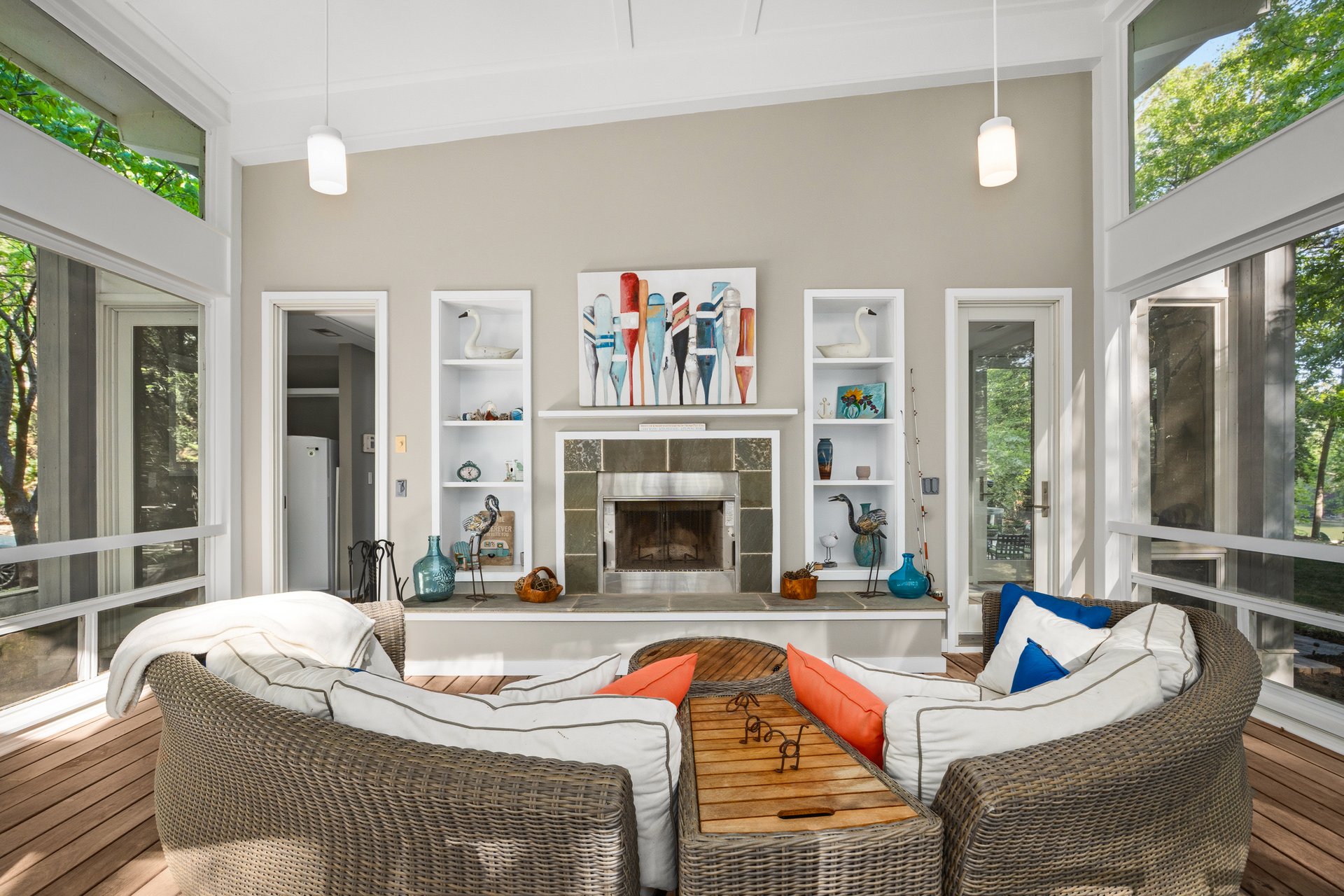
Since 2019, the current owners have invested extensively in both the property and its infrastructure. Improvements include a new concrete driveway, expanded waterfront amenities, a rebuilt and enhanced screen room, exterior restoration, updated systems, and continued maintenance of the landscape and dock facilities.
These updates are notable not because they alter the property's character, but because they reinforce it. The work has focused on long-term usability and stewardship rather than reinvention.
Closing
Properties such as 316 Gordon Road are often described simply as waterfront homes. That description is accurate, but incomplete.
What distinguishes this property is the combination of factors operating together: architectural authorship, navigable water access, substantial acreage, agricultural flexibility, and a location within one of Virginia's most enduring coastal landscapes.
The result is less that of a house placed beside the water than a property shaped by its relationship to the broader Northern Neck itself.