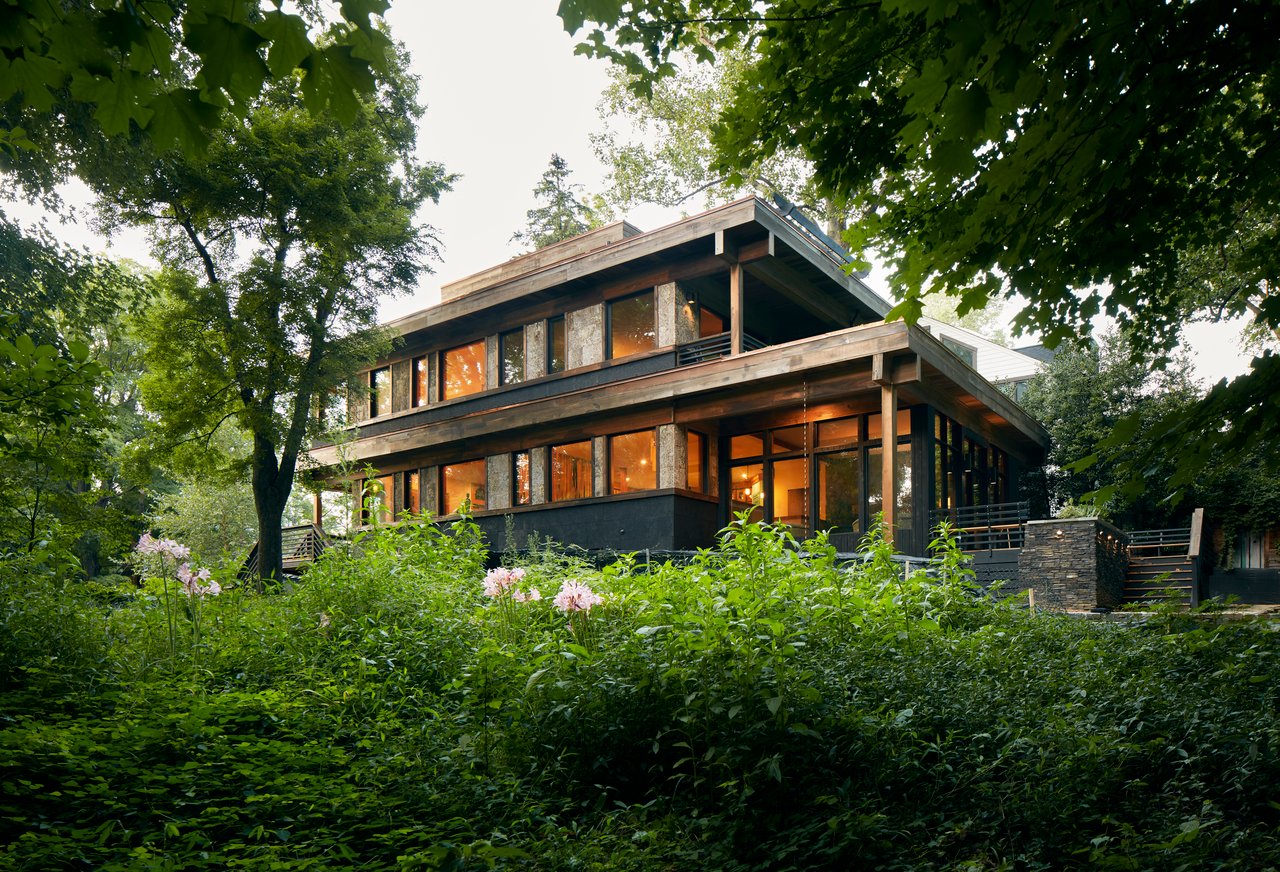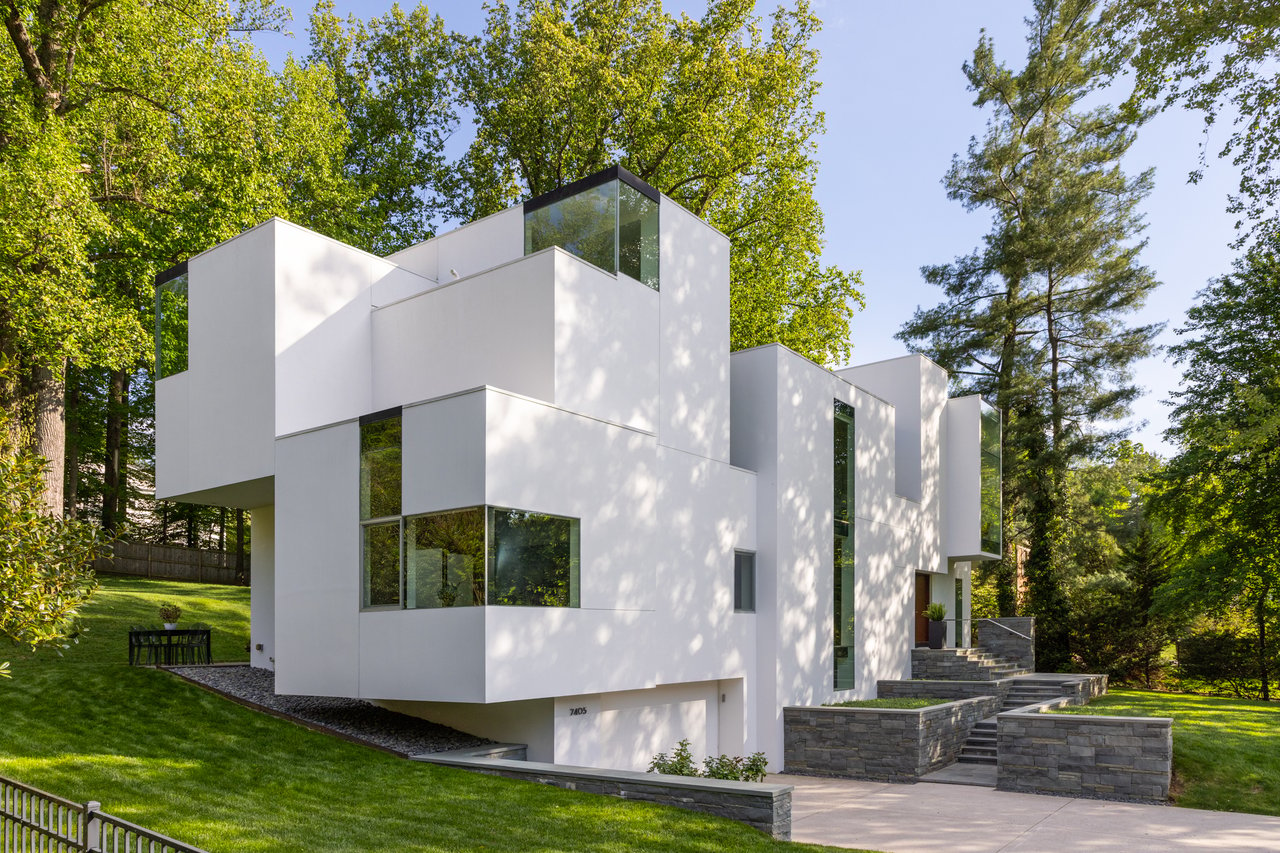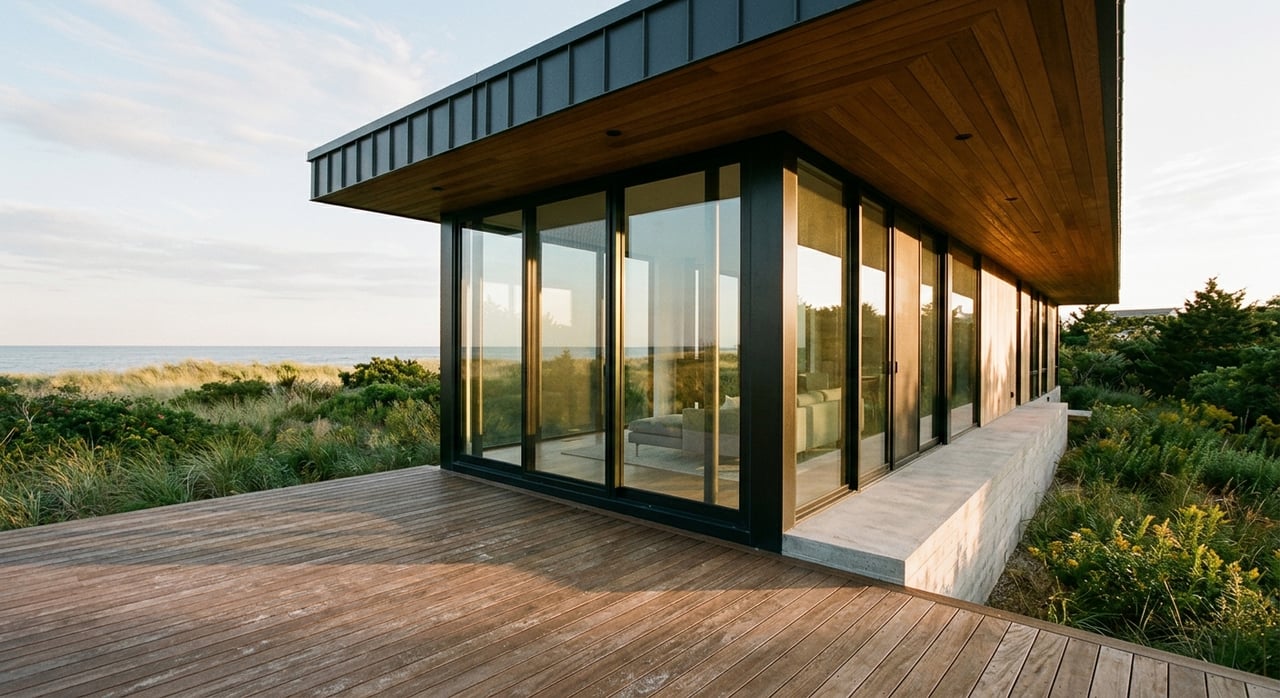
Dreaming of a glass-walled escape with long water views on Maryland’s Eastern Shore? The idea is easy to love, but buying a modern waterfront retreat here takes more than finding a beautiful house on the map. If you want a property that supports both your design standards and your long-term peace of mind, it helps to understand how shoreline conditions, permitting, flood exposure, and seasonal use shape the experience. Let’s dive in.
Why the Eastern Shore feels so distinct
Maryland’s Eastern Shore stretches across the Delmarva Peninsula between the Chesapeake Bay and the Atlantic Ocean. It is a water-oriented region shaped by farmland, marshes, pine forests, rivers, creeks, bays, and beaches across Caroline, Cecil, Dorchester, Kent, Queen Anne’s, Somerset, Talbot, Wicomico, and Worcester counties.
That regional variety matters when you begin your search. A waterfront home here can sit on open bay, along a protected creek, beside a marsh edge, or closer to ocean exposure, and each setting creates a different relationship to light, privacy, wind, and maintenance.
The land itself also plays a major role. Maryland environmental sources describe the Eastern Shore as a flat, low plain that ranges from sea level to about 100 feet in elevation, which is why drainage, first-floor height, and shoreline exposure deserve as much attention as the view.
How waterfront setting changes the home
Open water versus protected frontage
Not all waterfront lots live the same way. An open-water site may deliver dramatic views and a stronger architectural connection to sky and horizon, but it can also bring more wind exposure and more demanding resilience needs over time.
A creek-front or marsh-edge property may feel quieter and more sheltered. It may also offer a different balance of privacy, dock potential, and shoreline maintenance, depending on the conditions at the site.
Privacy often comes from the landscape
Many buyers imagine clearing vegetation to maximize a water view, but on the Eastern Shore that is not always an option. In Maryland’s Critical Area, healthy trees and natural vegetation in protected buffer areas cannot be removed just to open up the view.
In practice, some of the most appealing waterfront privacy comes from preserving marsh, woods, and native shoreline vegetation. For a modern home, that natural edge can enhance the architecture by creating a calmer, more intentional transition between the house and the water.
Understand the Critical Area before you buy
A key rule for waterfront property in Maryland is the Critical Area. This includes all land within 1,000 feet of tidal waters and tidal wetlands, and the Critical Area Buffer is the land immediately next to tidal waters, tidal wetlands, and tributary streams.
The minimum buffer width is 100 feet, and it can be wider if the site has steep slopes, wetlands, or sensitive soils. That buffer is meant to reduce runoff, stabilize shorelines, and protect habitat, so it is more than a simple setback line on a survey.
What the buffer can mean for your plans
New construction and land disturbance are generally restricted in the buffer. New structures, roads, septic systems, sheds, and utilities usually need to be outside it unless a variance is granted.
That can directly affect how you evaluate a property. A lot may look spacious on paper, but the usable area for future improvements may be much smaller once the buffer and other site constraints are understood.
Water access may still be possible
The good news is that water-dependent features can sometimes be permitted in the buffer, subject to regulatory review. For example, a boat ramp may be allowed under the right conditions.
That is why a better question is not “Can I build near the shoreline?” but “What already exists, what is permitted today, and what would require approval?” That distinction can save you time and help you assess the property more realistically.
Flood and sea-level rise matter now
On the Eastern Shore, flood risk is part of the buying conversation, not a future-only issue. Maryland DNR says the state has experienced more than a foot of sea-level rise over the last century, and current state projections call for another 2.7 to 3.4 feet by 2100.
That long-term trend can intensify coastal flooding, shoreline erosion, and the loss of low-lying land. For buyers, it means the real question is not simply whether a home is on the water, but how the site is likely to perform over time.
Flood zones are only one layer
FEMA flood maps are an important starting point, but they are not no-risk maps. Homes in Special Flood Hazard Areas can trigger mandatory flood insurance purchase requirements, and Zone VE is identified as a coastal high-hazard area where wave action and fast-moving water can cause extensive damage during a base flood.
For a modern waterfront home, this is especially important because expansive glazing, low-slung forms, and strong indoor-outdoor connections often depend on careful siting. Elevation, drainage patterns, and first-floor height should be reviewed just as closely as the architecture itself.
Use local tools to study the site
Maryland’s Coastal Flood Explorer gives buyers a more location-specific way to review predicted, historic, and current flood depths using LiDAR-derived elevation data and the state’s 2023 sea-level-rise projections. When you are comparing multiple waterfront properties, that kind of site review can help clarify which home best aligns with your risk tolerance and ownership goals.
Shoreline condition affects cost and design
A beautiful shoreline is not just a visual asset. It is also a physical system that may require ongoing planning, especially if erosion control, dock work, or future stabilization becomes part of your ownership timeline.
Maryland’s shoreline evaluation tools consider factors like fetch, marsh, beach, submerged aquatic vegetation, bank height, nearshore depth, and distance to permanent structures when recommending a living shoreline or structural option. In simple terms, the shoreline itself helps determine what kind of work is appropriate and what it may cost.
Living shorelines are often preferred
If erosion control is needed, Maryland generally favors living shorelines and usually requires nonstructural methods unless site conditions make them infeasible. That can influence both budgeting and design expectations, especially if you are considering a property with a vulnerable edge.
Costs can vary widely. DNR notes that living shoreline projects can range from about $100 per linear foot to more than $1,000 per linear foot depending on wave energy, orientation, water depth, fetch, and overall site conditions.
Check permits for water-related improvements
If the property has a pier, dock, bulkhead, or stabilization work, confirm what was permitted and what is on file. MDE states that new or modified piers require an application, and residential piers are subject to setback and size rules, with local, state, and federal agencies potentially involved in review.
For buyers, that means existing waterfront improvements should be treated as part of due diligence, not as assumptions. A dock that looks usable today may still raise questions about permit history, repair scope, or future modification limits.
Don’t overlook wells, septic, and seasonal use
Infrastructure can shape your experience just as much as architecture. On the Eastern Shore, water and wastewater systems deserve close attention because MDE’s On-Site Systems Division works with county health departments on onsite sewage disposal systems and individual wells.
For property transfers, MDE recommends a septic inspection that includes a file search, an occupant interview, a system evaluation, and a final report. That guidance also warns that a system that works for a lightly occupied or seasonal home may not be adequate for a fully occupied one.
A retreat should work in every season
This point is especially relevant if you are buying a second home. A property can feel effortless during summer weekends yet reveal limits later in wastewater capacity, heating and cooling performance, storage, or winter access.
For design-minded buyers, this is where modern planning matters. Covered outdoor rooms, mudrooms, durable exterior finishes, and flexible glazing can help a waterfront home function more smoothly across changing weather and intermittent occupancy.
A smart due diligence checklist
Before you move forward on an Eastern Shore waterfront property, focus on the questions that shape long-term use and ownership.
- Confirm the FEMA flood zone and compare the site with the Maryland Coastal Flood Explorer if needed.
- Verify whether the property lies within the Critical Area Buffer and what vegetation or construction limits apply.
- Review septic and well records, especially if the home has been used seasonally.
- Ask for permit history on any pier, dock, bulkhead, or shoreline stabilization work.
- Include the local planning office early, since a buildable lot still must meet local Critical Area, zoning, and health requirements.
What modern buyers should prioritize
The most compelling modern waterfront homes on the Eastern Shore do more than frame a view. They respond intelligently to the land, the water, and the realities of long-term ownership.
If you are searching for a retreat here, look for a property where architecture and site planning work together. The right home will balance outlook, privacy, resilience, and ease of use in a way that feels calm, livable, and true to the setting.
For design-minded buyers, that balance is where real value lives. And when the property is thoughtfully chosen, a modern waterfront home on the Eastern Shore can feel both visually striking and deeply grounded in place.
If you are considering a design-driven waterfront purchase and want a more informed, architecture-aware perspective, listModern can help you evaluate modern homes with both site realities and design integrity in mind.
FAQs
What makes Eastern Shore waterfront properties different from one another?
- Waterfront properties on Maryland’s Eastern Shore can sit on open bay, marsh edge, creek frontage, or more exposed shoreline, and those settings can affect privacy, wind exposure, dock feasibility, and maintenance needs.
What is the Maryland Critical Area Buffer for waterfront homes?
- The Critical Area Buffer is land adjacent to tidal waters, tidal wetlands, and tributary streams, with a minimum width of 100 feet, and new structures or land disturbance are generally restricted within it unless a variance is granted.
Why does flood risk matter when buying an Eastern Shore retreat?
- Flood risk matters because sea-level rise, flooding, and shoreline erosion can affect long-term ownership, insurance requirements, site design, and how well the home performs over time.
Should you inspect the septic system for an Eastern Shore second home?
- Yes, Maryland recommends a septic inspection for property transfers, and this is especially important for seasonal homes because a system that works for part-time use may be inadequate for full-time occupancy.
Do piers and docks need permits on Maryland waterfront property?
- Yes, MDE states that new or modified piers require an application, and permit review may involve multiple agencies along with setback and size requirements for residential piers.
What should buyers review before purchasing a modern waterfront home on the Eastern Shore?
- Buyers should review the flood zone, Critical Area limits, septic and well records, shoreline condition, and permit history for any pier, dock, bulkhead, or stabilization work.