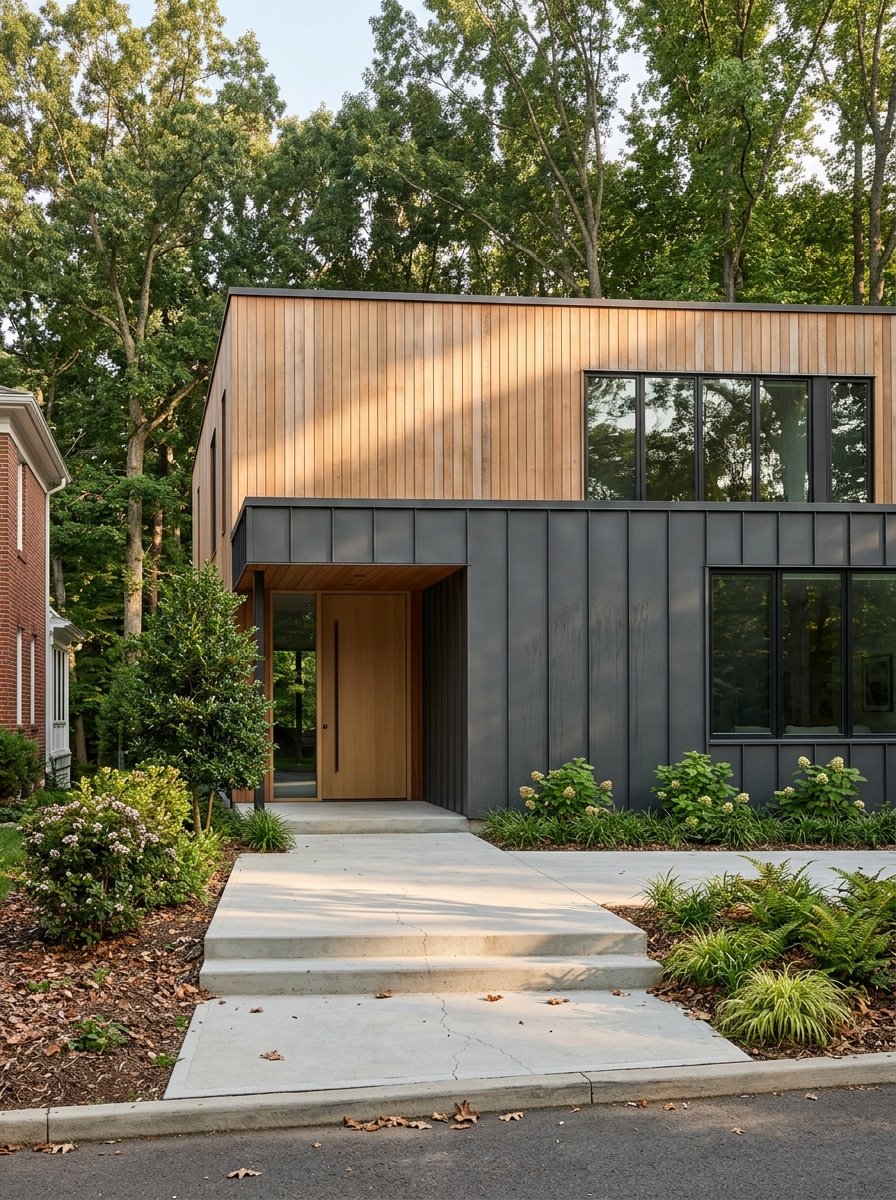
If you are drawn to clean lines, natural light, and a strong connection to the outdoors, Wesley Heights offers a compelling mix of both. This northwest Washington, DC neighborhood is known for its planned residential character, mature landscape, and distinct architectural identity, which makes modern homes here feel especially intentional. In this guide, you’ll learn how green space shapes the neighborhood, why contemporary houses stand out, and what to know if you are searching for design-driven property in Wesley Heights. Let’s dive in.
Wesley Heights at a glance
Wesley Heights sits in Ward 3 and ANC 3D, southwest of American University. Historic documentation places the neighborhood around Nebraska Avenue, New Mexico Avenue, Garfield Street, and Battery-Kemble Park. It emerged as a planned early-20th-century subdivision, and that original planning still shapes the experience of the area today.
The neighborhood is also guided by the Wesley Heights Overlay District. That overlay was written to preserve the area’s low-density character by limiting lot occupancy, capping gross floor area, and requiring front-yard setbacks that match the block average. For buyers and sellers, that means the streetscape and spacing between homes remain an important part of the neighborhood’s identity.
Green space defines the setting
In Wesley Heights, greenery is not just a finishing touch. It is part of the neighborhood’s structure and feel. Ward 3 planning and heritage documentation describe the area’s character as closely tied to natural topography, major open spaces, public parks, and one of the city’s most extensive tree canopies.
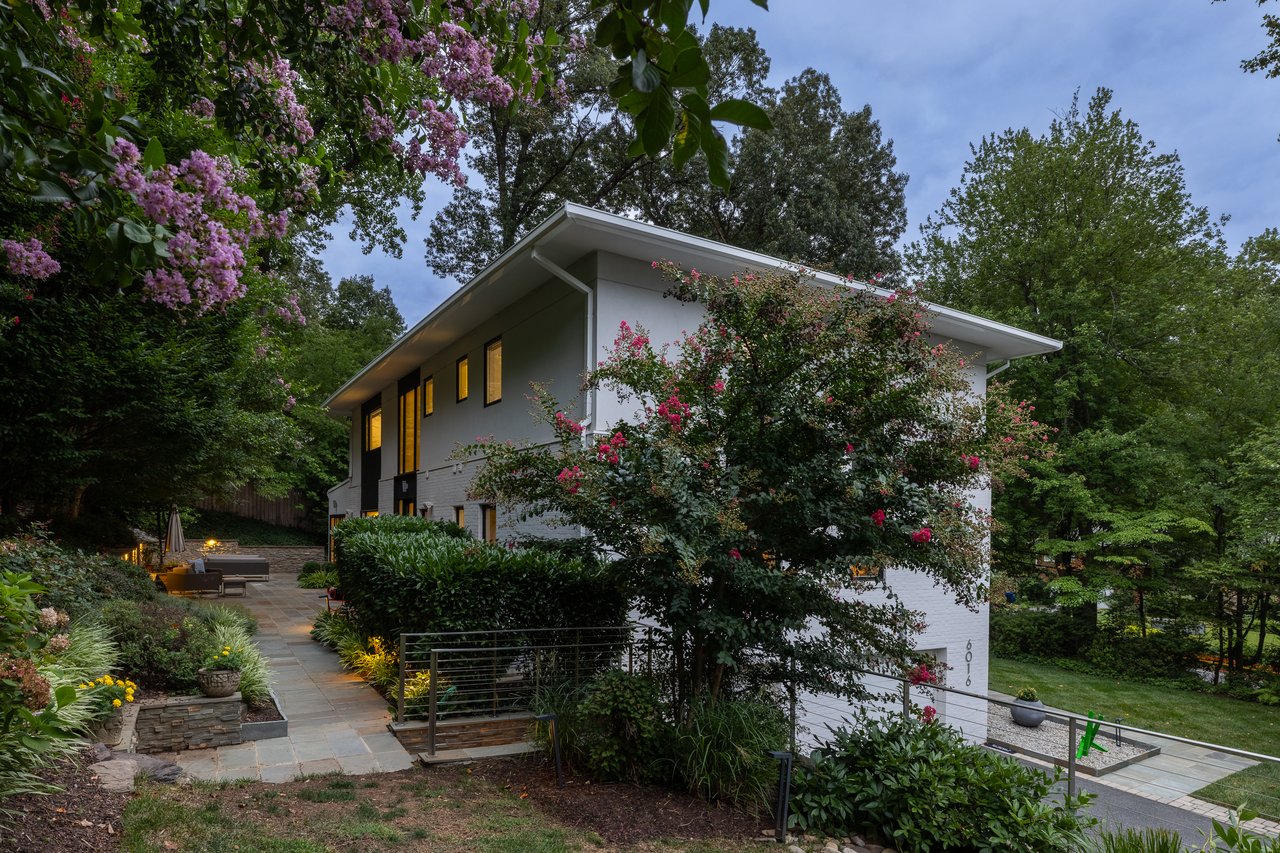
That context matters when you walk or drive through Wesley Heights. The wooded setting, landscaped lots, and relationship between homes and surrounding open space create a sense of calm and visual relief that feels different from denser parts of the city. Here, the landscape is part of how the neighborhood reads.
Nearby parkland adds depth
Wesley Heights benefits from proximity to major parkland. Glover-Archbold Park includes 183 acres and a nearly 2.5-mile trail, while Battery Kemble Park includes a Civil War fort site managed by the National Park Service. These open spaces help reinforce the neighborhood’s connection to topography, trails, and wooded views.
For many buyers, that creates a rare combination. You can be in Washington, DC, while still feeling closely connected to park edges, tree canopy, and changing seasonal views. That relationship between residential streets and public green space is a major part of Wesley Heights’ appeal.
Historic architecture sets the tone
Wesley Heights is widely associated with distinguished residential architecture. Historic documentation describes the neighborhood as one of the District’s earlier auto-oriented suburban developments, with curving streets and houses tailored to individual lots. That lot-specific planning still influences how homes sit on the land.
The subdivision was developed in 1925 by W.C. and A.N. Miller. Gordon E. MacNeil designed nearly all of the dwellings and community buildings in Wesley Heights and nearby Spring Valley, which helps explain the neighborhood’s architectural consistency and strong visual identity.
Traditional styles remain the dominant fabric
Most of the historic housing stock consists of detached single-family homes with large yards on landscaped streets. Common architectural styles include Colonial Revival, Dutch Colonial, Spanish Colonial, and Tudor Revival. Many are two-story brick or stone houses with gabled roofs.
The Wesley Heights Community Club, built in 1927, served as the neighborhood’s social and commercial center and reflects early-20th-century English Revival design. Taken together, these homes and shared landmarks establish a traditional architectural backdrop that continues to define the area.
Why modern homes feel special here
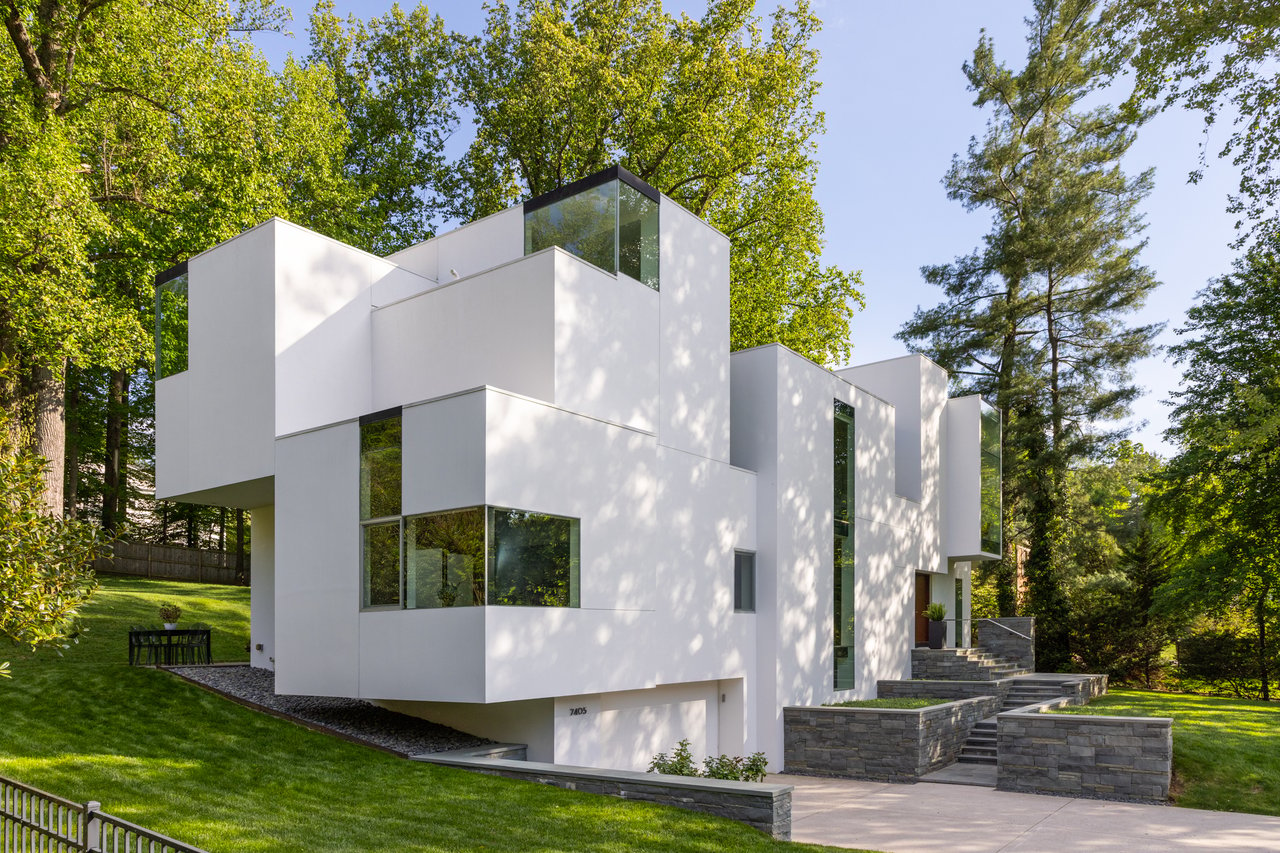
If you are looking for a modern or contemporary house in Wesley Heights, you are usually not looking at the neighborhood’s dominant housing type. Instead, the modern homes that appear here tend to be custom, site-specific projects. They often stand out because they respond closely to the lot, the topography, and the surrounding trees rather than following a repeated formula.
That is part of what makes them so appealing to design-minded buyers. In a neighborhood shaped by historic revival-style homes and overlay rules that protect scale and placement, contemporary architecture tends to show up as a highly considered response to context. It often feels curated rather than commonplace.
Modern design in Wesley Heights is often lot-driven
Recent examples described in design coverage show how contemporary homes in Wesley Heights are tailored to steep sites, park-edge conditions, and wooded surroundings. One featured residence used white stucco and glass, along with terraces, balconies, sedum roofs, and native plantings. Another 2022 home highlighted park views, a heated saltwater pool, and a strong indoor-outdoor layout.
An AIA|DC award submission for Empty Nester in Wesley Heights described a home on a steep lot overlooking Glover-Archbold Park and a wooded rear lot. Its features included glass walls, passive ventilation, geothermal HVAC, and solar panels. These details reflect a recurring theme in the neighborhood’s more contemporary homes: design that works with the site instead of overpowering it.
The balance of architecture and landscape
In Wesley Heights, modern architecture often succeeds because it respects the neighborhood’s landscape framework. The overlay district’s rules help preserve trees, air, light, and overall block character by constraining bulk and placement. While those rules do not create a modern style, they do encourage careful calibration.
For you as a buyer, that can translate into homes that feel deliberate in their massing, orientation, and relationship to outdoor space. For you as a seller, it can mean that authentic modern properties with strong site integration may resonate with a design-aware audience that values both architecture and setting.
Common features in contemporary homes
When modern homes do appear in Wesley Heights, several design features tend to repeat:
- Glass walls that frame views and bring in natural light
- Terraces, balconies, or roof decks that extend living space outdoors
- Native planting that supports a site-sensitive landscape approach
- Sustainability features such as green roofs, solar panels, geothermal systems, and passive ventilation
- Indoor-outdoor layouts that emphasize privacy, topography, and park adjacency
These are not universal features in every listing. Still, they help explain what buyers often mean when they talk about a modern Wesley Heights home feeling connected, private, and architect-driven.
What buyers should understand
If you are shopping for modern architecture in Wesley Heights, patience matters. Inventory in this category is likely to be limited because contemporary homes are relatively rare within a neighborhood better known for traditional houses. When one does come to market, the home may draw attention for reasons that go beyond square footage or finishes.
In this setting, the value story often includes site orientation, tree canopy, privacy, park adjacency, and architectural authorship. The strongest opportunities may be the homes that turn neighborhood constraints into design advantages through better light, stronger views, and more thoughtful indoor-outdoor living.
What sellers should keep in mind
If you own a design-forward home in Wesley Heights, presentation should reflect more than surface-level style. Buyers in this segment often respond to the logic of the house: how it sits on the lot, how it relates to the landscape, and how features such as glazing, terraces, or energy systems support the way the home lives.
That is especially true in a neighborhood where modern homes are not the norm. A thoughtful marketing approach can help explain why a property belongs in Wesley Heights and why its architecture feels right for the setting. For architecturally authentic homes, that kind of storytelling can be central to reaching the right buyer.
Why Wesley Heights stands out
Wesley Heights offers something increasingly hard to find: a neighborhood where architecture and landscape are both essential to the experience. Its historic planning, low-density framework, and mature green setting create a strong sense of place. Within that context, modern homes feel distinctive because they are usually designed with unusual care.
If your priorities include green space, privacy, and architecture that responds to its site, Wesley Heights deserves a closer look. And if you own a contemporary home here, its rarity may be one of its greatest strengths. If you are considering your next move in the DMV’s design-driven market, listModern offers specialized representation for modern and contemporary homes.
FAQs
Are modern homes common in Wesley Heights?
- No. Modern and contemporary homes are not the dominant housing type in Wesley Heights. The neighborhood is better known for detached single-family homes in traditional revival styles, so modern homes tend to be custom and relatively rare.
What makes Wesley Heights feel so green?
- Wesley Heights is shaped by natural topography, major open spaces, public parks, and a substantial tree canopy. Its setting near places like Glover-Archbold Park and Battery Kemble Park reinforces that wooded character.
What architectural styles are most common in Wesley Heights?
- Historic documentation identifies Colonial Revival, Dutch Colonial, Spanish Colonial, and Tudor Revival as the most common styles in the neighborhood, typically in detached brick or stone homes with gabled roofs.
What modern design features appear in Wesley Heights homes?
- Contemporary homes in Wesley Heights often include glass walls, terraces or balconies, native planting, and sustainability features such as green roofs, solar panels, geothermal systems, and passive ventilation.
How do Wesley Heights zoning rules affect homes?
- The Wesley Heights Overlay District is intended to preserve the neighborhood’s low-density character by limiting lot occupancy, capping gross floor area, and requiring front-yard setbacks that align with the block average.
Why might a buyer choose Wesley Heights for a modern home?
- Buyers who value design often look to Wesley Heights for its mix of privacy, wooded views, park access, and architect-driven homes that respond closely to their lots and surroundings.