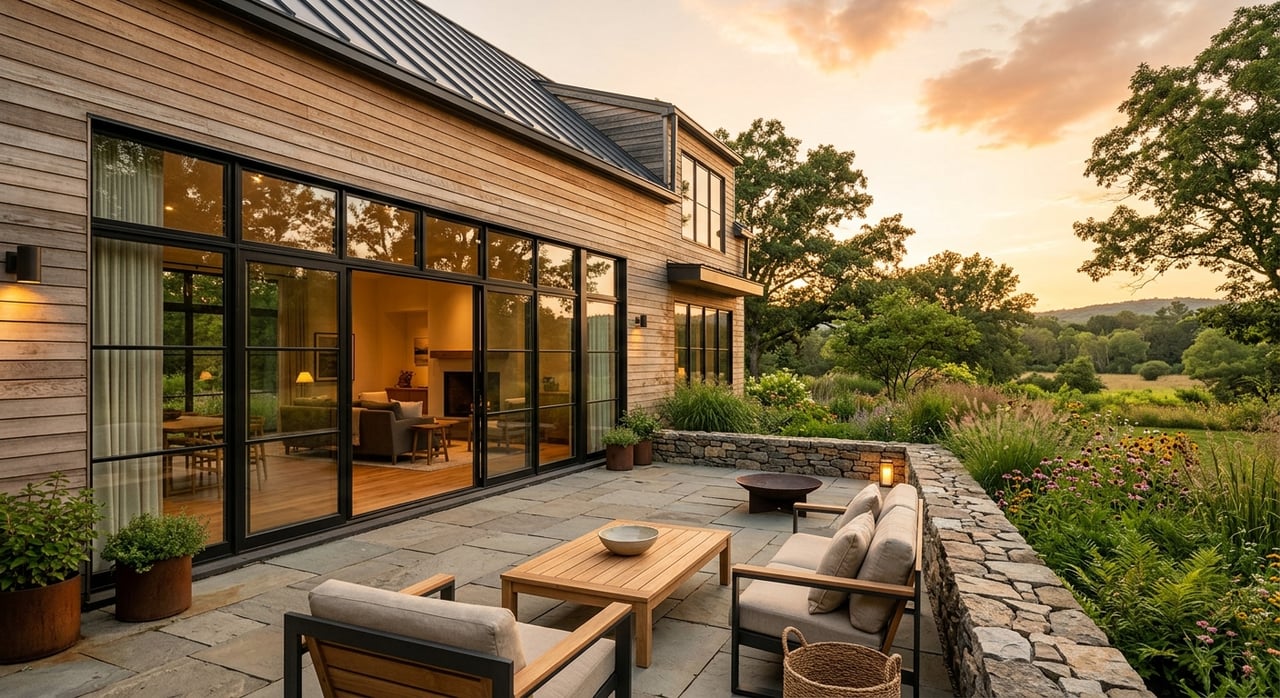
If you are drawn to clean lines, open views, and homes that feel connected to the land, Charlottesville’s foothills offer a compelling setting. This is a place where mountain backdrops, rural landscapes, and design awareness come together in a way that makes modern living feel natural rather than imposed. If you are considering a move, a second home, or simply exploring what makes this market distinct, you will see why architecture here is about more than style. Let’s dive in.
Why modern living fits Charlottesville
Charlottesville sits in Central Virginia’s upper Piedmont at the foothills of the Blue Ridge Mountains, about 100 miles southwest of Washington, D.C. and 70 miles northwest of Richmond. That geography shapes how homes are experienced, from the way they capture light to how they frame views across hills, fields, and tree lines.
The surrounding land pattern is just as important. Albemarle County says its Rural Area covers about 689 square miles, or 95% of the county’s land area, and is intended to conserve natural, agricultural, forestry, and scenic resources. Nearly a quarter of that rural area is under conservation easement, which helps explain why so much of the region still feels open, protected, and visually intact.
For you as a buyer, that means the value of a modern home here often extends beyond the walls of the house. Acreage, privacy, orientation, and the relationship between indoor and outdoor space can matter just as much as square footage.
The foothills create a landscape-first market
In many markets, architecture leads and the land plays a supporting role. Around Charlottesville, the reverse is often true. The topography, the preserved rural setting, and the long views tend to shape what feels appropriate on a site.
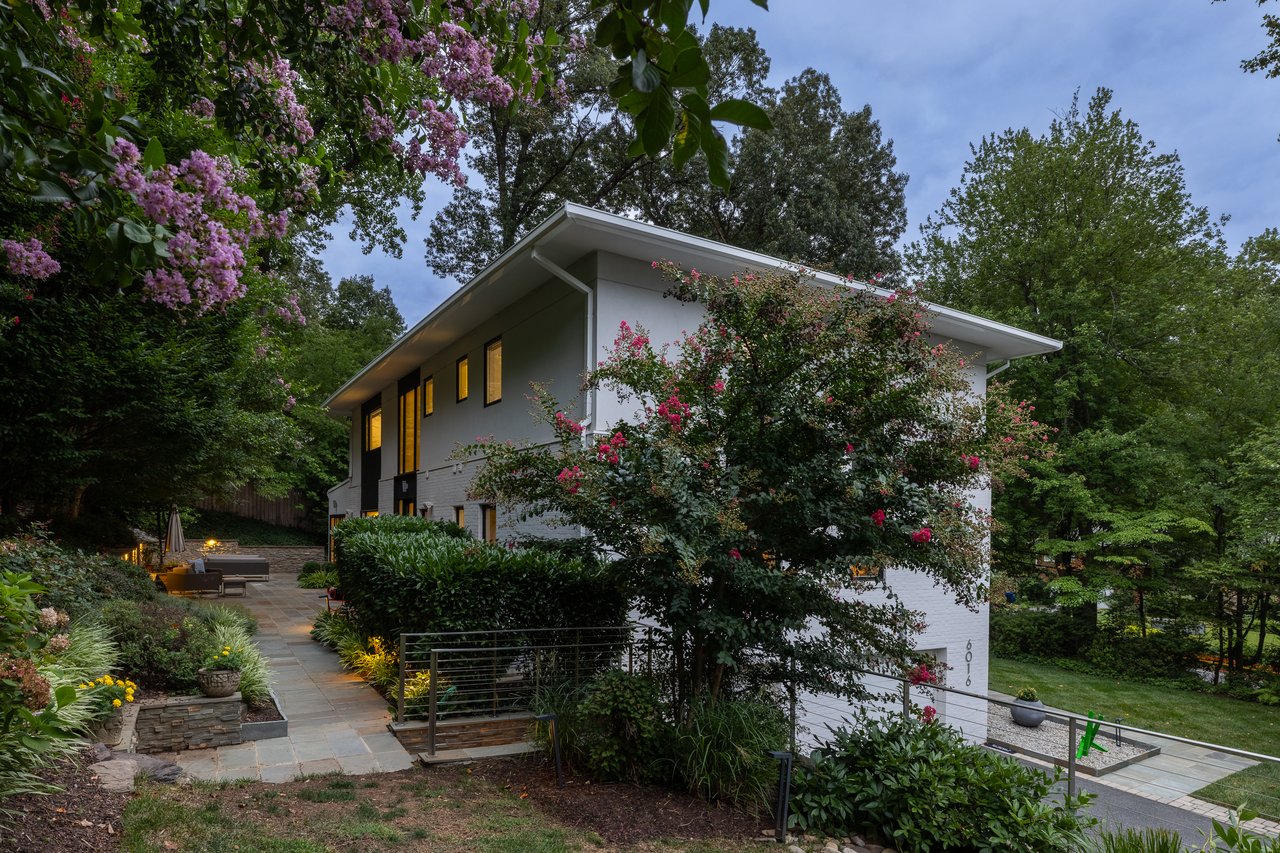
That is one reason contemporary homes can feel so comfortable here. A restrained house with generous glass, natural materials, and outdoor living spaces responds well to a foothills landscape because it invites you to look outward and engage with the setting.
This landscape-first character also gives modern homes a certain calm. Instead of competing with the scenery, the strongest properties tend to frame it, using siting and proportion to make the land part of daily life.
Wine-country character adds refinement
Charlottesville’s foothills are closely tied to the Monticello AVA, a grape-growing region on the eastern slopes of the Blue Ridge Mountains. The area includes Southwest Mountain and carries a long association with Virginia’s agricultural and cultural landscape.
Today, the region’s wine-country identity is easy to see. Visit Charlottesville notes that there are more than 40 wineries along the Monticello Wine Trail, and the area was named Wine Enthusiast’s 2023 Wine Region of the Year. That recognition reinforces a lifestyle story that many buyers already respond to: scenic drives, vineyard views, hospitality spaces, and a setting that feels both relaxed and elevated.
For modern-home buyers, this matters because the local visual language already supports design-driven living. Terraces, verandas, patios, lawns, and indoor-outdoor gathering spaces are common features across the area’s winery and estate settings, which closely align with the qualities many people seek in a contemporary foothills home.
Design language that feels right here
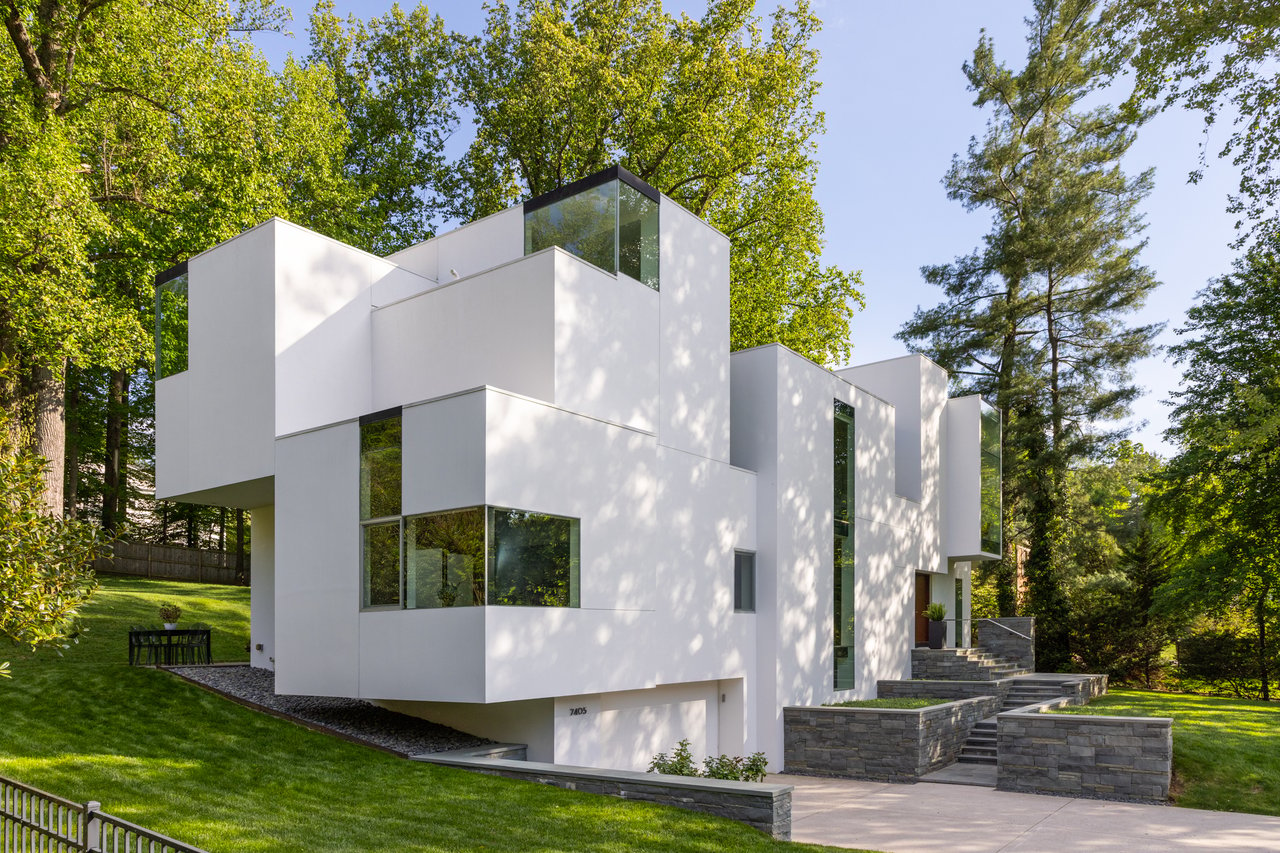
The most natural modern vocabulary for Charlottesville is site-driven and restrained. Think generous glazing, wood and stone, steel accents, and outdoor rooms that extend the living experience into the landscape.
This is not about importing an urban glass box into the countryside. It is about creating a home that respects topography, light, materials, and seasonal change. In the foothills, modern architecture tends to feel strongest when it is grounded and quiet.
If you are searching for a home in this setting, look for features that support daily connection to the site:
- Covered porches and terraces
- Large windows positioned for views and daylight
- Natural materials that age well in the landscape
- Outdoor rooms for dining, lounging, or entertaining
- Strong orientation to sunrise, sunset, or mountain vistas
These elements do more than look good in listing photos. They shape how a home lives, especially in a region where the scenery is one of the main attractions.
Charlottesville values architecture and context
Charlottesville also stands out for its design awareness. The city’s Neighborhood Development Services oversees planning, site review, permitting, and stewardship for historically or architecturally significant properties, while the Board of Architectural Review reviews exterior renovations, additions, new construction, and demolitions in architectural design control districts.
That local review culture helps reinforce an important idea: architecture here is often expected to respond to context. For you, that can be reassuring if you value homes that feel intentional and well considered rather than generic.
The presence of UVA’s School of Architecture adds another layer to that design-conscious environment. It contributes to a local culture that pays attention to preservation, materiality, and the relationship between new construction and existing surroundings.
Rural feel, urban connection
One of Charlottesville’s biggest advantages is that you do not have to choose between rural beauty and daily convenience. The county protects a large rural footprint, yet the city still offers culture, dining, and connectivity that support year-round living.
Visit Charlottesville describes a thriving arts and culture scene, and the Downtown Mall includes more than 120 shops and 30 restaurants in restored historic buildings. The area also offers dining, entertainment, live music, and a free trolley connection to UVA, which adds to the ease of getting around key parts of the city.
This balance is part of what makes the foothills so appealing. You can enjoy a home that feels tucked into the landscape while staying connected to restaurants, galleries, music, and everyday conveniences.
Outdoor access is part of the lifestyle
If you want a home base for outdoor recreation, Charlottesville checks that box in a big way. Shenandoah National Park and the Blue Ridge Parkway are a short drive away, with Skyline Drive meeting the Parkway just west of Charlottesville.
The park includes more than 500 miles of trails, including more than 100 miles of the Appalachian Trail. That kind of access gives the foothills market broad appeal for buyers who want hiking, scenic drives, and regular time outdoors without giving up cultural amenities.
The western roads around Charlottesville also support another kind of leisure. Scenic cycling and driving routes pass farms, orchards, wineries, and parks, making the journey itself part of the experience.
What buyers may notice in modern foothills homes
When you tour modern or contemporary homes in this area, certain qualities may stand out more than they would in a denser urban market. The best properties often feel curated around the site rather than simply placed on it.
You may notice:
- Window placement that prioritizes long views
- Main living spaces that open to terraces or patios
- Material palettes that echo the surrounding landscape
- Siting that creates privacy without cutting off openness
- A sense of restraint that lets the scenery do part of the work
That last point is easy to overlook, but it matters. In a visually rich setting like Charlottesville’s foothills, thoughtful simplicity can feel more luxurious than excess.
Why the market feels refined, not rustic
Charlottesville’s setting is undeniably rural in many places, but the overall impression is often refined rather than rough. That comes from the overlap of vineyard culture, hospitality design, preserved scenery, and a community that values architecture.
The local wine landscape helps set that tone. Many of the region’s winery and estate environments emphasize mountain views, terraces, verandas, lawns, and indoor-outdoor spaces that feel composed and welcoming. Those places help shape buyer expectations for what foothills living can be.
For modern buyers, this creates a very specific appeal. You get the calm and space of a rural setting, but with a design sensibility that supports clean, contemporary living.
Access matters for relocation and second homes
Charlottesville also works well for buyers who want a foothills retreat without feeling disconnected. The city’s location puts it within reach of both Washington, D.C. and Richmond, which can make regional travel more manageable.
Charlottesville-Albemarle Airport adds another layer of convenience. The airport is described as a non-hub commercial service airport with one-stop domestic and international destinations and daily nonstop flights around the U.S.
If you are considering a full-time move or a second home, that accessibility can make a meaningful difference. It supports a lifestyle that feels away from it all without being hard to reach.
What this means for your home search
If Charlottesville’s foothills appeal to you, it helps to look beyond surface style. A truly compelling modern home in this setting is not just contemporary in appearance. It should also feel aligned with the land, the views, and the rhythm of the region.
That might mean prioritizing site orientation over sheer size. It might mean choosing a home with a covered outdoor room and strong material quality over one with more square footage but less connection to the landscape.
For design-minded buyers, that is where real value often lives. In a market like this, architecture has the most impact when it deepens your experience of place.
If you are exploring architecturally driven properties and want guidance that respects both design intent and market context, listModern offers a curated approach to modern homes shaped by architecture, landscape, and thoughtful presentation.
FAQs
Why does modern architecture work in Charlottesville’s foothills?
- Charlottesville’s foothills setting, preserved rural land, and wine-country landscape support homes that emphasize views, natural materials, and indoor-outdoor living.
Is Charlottesville more rural or more connected for homebuyers?
- It offers both: Albemarle County protects a large rural footprint, while Charlottesville provides arts, dining, Downtown Mall amenities, UVA access, and airport connectivity.
What design features suit a modern foothills home in Charlottesville?
- Features like generous glazing, stone or wood materials, steel accents, covered porches, terraces, patios, and careful site orientation tend to fit the landscape well.
What makes Charlottesville’s foothills feel refined?
- The combination of vineyard culture, scenic settings, hospitality-focused outdoor spaces, and a local appreciation for architecture creates a polished feel.
Is Charlottesville a good fit for second-home or relocation buyers?
- It can be, especially for buyers who want mountain access, outdoor recreation, arts and dining, and regional proximity to Washington, D.C. and Richmond.