Selling a modern home in Georgetown can feel like marketing a rare object in one of Washington’s most tradition-rich settings. You want buyers to see more than contrast. You want them to understand why the home belongs here, how its design adds value, and what makes it stand out in a tightly regulated, high-price neighborhood. This guide will show you how to position, prepare, and present a modern Georgetown property with clarity and confidence. Let’s dive in.
Why modern homes can stand out
Georgetown is one of Washington’s oldest residential neighborhoods, and according to the District’s Office of Planning, it is older than the District itself. It is also home to one of the city’s most established shopping and dining areas. That deep history shapes buyer expectations, but it does not mean every valuable home here looks the same.
The Georgetown Historic District was created in 1950, making it the first historic district in Washington and the sixth in the United States. It was later listed on the National Register in 1967 and designated a National Historic Landmark. For sellers of modern homes, that context matters because buyers often assume Georgetown is only about eighteenth- and nineteenth-century architecture, when the reality is more layered.
An amended historic district nomination notes that a 1993 survey counted 3,033 buildings, and 88% of the current building stock had been constructed after 1870. The district includes late-Victorian rowhouses, commercial buildings, alley dwellings, carriage houses, and other support structures. In other words, Georgetown has long evolved over time, and a well-designed modern home can be framed as part of that ongoing architectural story.
Position the home as intentional
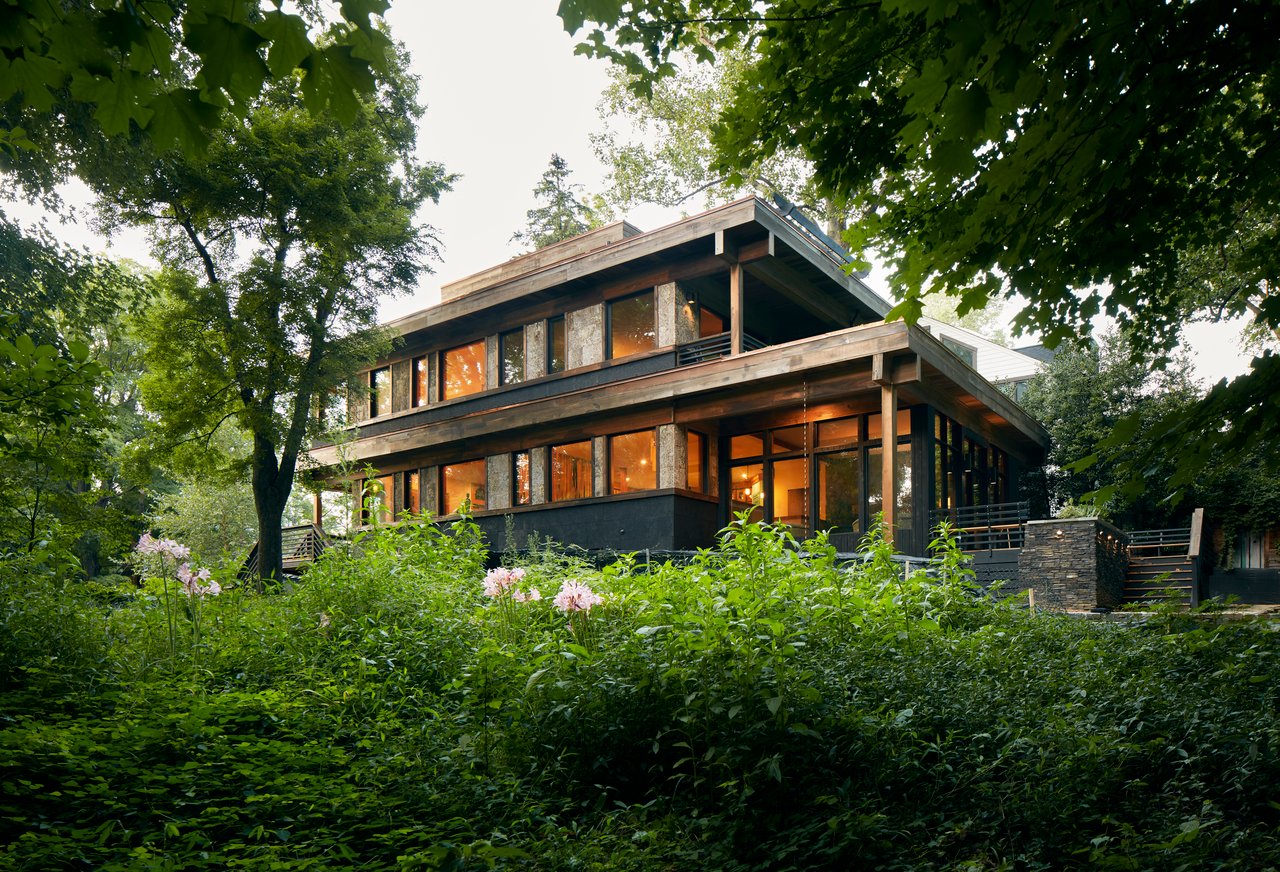
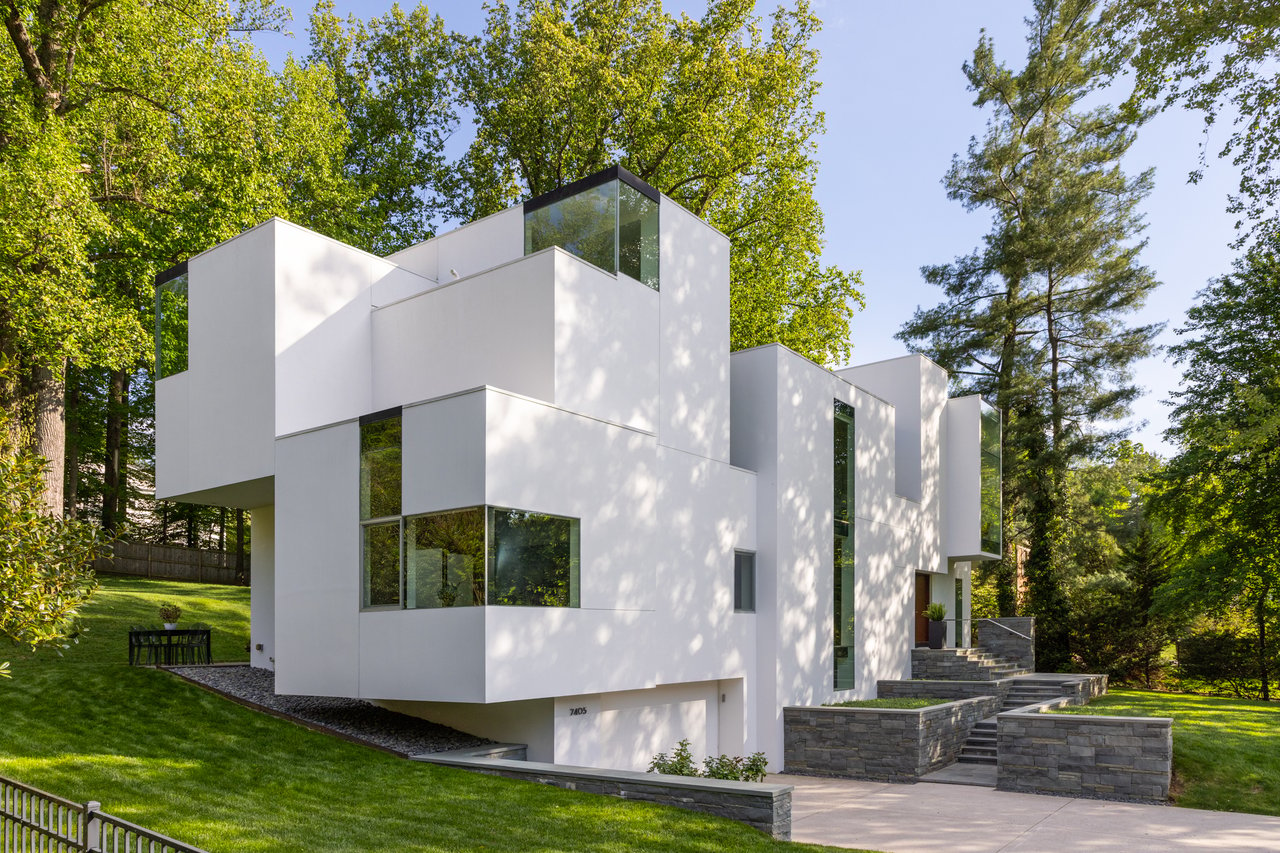
A modern home in Georgetown usually performs best when it is presented as an intentional architectural statement. Buyers in this market are not just comparing bedroom counts or lot size. They are looking at authorship, design choices, materials, and how the property relates to the street and neighborhood.
That means your listing story should go beyond saying the home is renovated or updated. Instead, focus on the home’s design intent, renovation history, material palette, natural light, and the way it fits Georgetown’s scale and context. The goal is to make the house feel rare by design, not simply different from nearby historic homes.
This approach aligns especially well with Georgetown because contemporary architecture is a minority presence there. That scarcity can work in your favor when the home is marketed with care. Specificity tends to carry more weight than broad luxury language in a neighborhood where buyers already know what generic charm looks like.
Price with precision, not assumptions
Georgetown remains a high-value market, but that does not mean every distinctive home will sell on reputation alone. Recent neighborhood data point to a luxury market with limited inventory and meaningful pricing sensitivity. That combination tends to reward precise pricing and strong presentation more than broad exposure alone.
Redfin reported a March 2026 median sale price of $1.65 million in Georgetown, with median days on market at 57, 49 homes sold, and a median sale price per square foot of $909. Zillow’s March 31, 2026 neighborhood page showed a typical home value of $1.513 million, 62 homes for sale, a median list price of $1.8875 million, and median days to pending of 28. These figures measure different things, so they should not be blended casually, but together they show an active luxury market where pricing strategy matters.
For broader perspective, Redfin placed Washington, DC’s overall median sale price at $590,000 in February 2026. That gap highlights Georgetown’s position in the city’s upper tier. If you are selling a modern home here, your price should be justified through recent Georgetown sales, current listing competition, and the property’s architectural rarity rather than relying only on nearby historic-home comparables.
Document the design story
In Georgetown, documentation can be part of the value. Buyers are likely to ask not only what was changed, but also who designed it, when the work was completed, and whether the result was executed thoughtfully within the district’s rules. A well-organized record can reduce uncertainty and help a buyer understand the home as a curated asset.
Before launch, gather the details that support the property’s story, such as:
- Original plans, if available
- Architect or builder credits
- Permit history
- Renovation timelines
- Material and finish information
- Energy-performance features
- Notes on indoor-outdoor design
- Any approvals related to exterior work
This does more than answer questions. It gives buyers a framework for understanding the home’s provenance and quality. In a neighborhood where future changes may be limited, proof of careful past execution can be especially persuasive.
Understand Georgetown’s review rules
Georgetown has a distinct review environment, and that can affect both pre-listing improvements and buyer expectations. According to the Office of Planning, the Old Georgetown Board and the Commission of Fine Arts review most exterior construction in the district. The Office of Planning also notes that the Board comments on exterior architectural features, height, appearance, color, and texture of exterior materials.
The same guidance explains that work not visible from public space follows the same standards and guidelines used elsewhere in DC. For sellers, the practical point is simple: visible exterior changes should never be treated casually. If your marketing highlights exterior renovations, additions, or visible alterations, buyers may reasonably want to know what was approved and how the work fits preservation requirements.
The Commission of Fine Arts policy on additions and site alterations adds more context. It recommends that additions remain subordinate to the historic building, avoid approaching a doubling of the house’s size, preserve as much historic fabric as possible at the connection point, and use compatible exterior materials. It also discourages oversized rear or side additions, visible roof additions, extensive underground additions, excessive paving, and new curb cuts.
Even signage has limits in Georgetown. The district has stricter sign rules, and some interior signs near exterior glazing or visible from outside may also be subject to review. For a seller, the lesson is that design quality within a regulated setting is often a stronger selling point than promising unlimited flexibility.
Choose smart pre-listing updates
If you are considering work before listing, focus on improvements that strengthen presentation without creating approval issues or muddying the design story. In Georgetown, visible exterior interventions can trigger review, so last-minute changes may not be the best use of time or budget. In many cases, clarity beats complication.
Instead, consider pre-listing priorities like:
- Refining interiors so architecture reads clearly
- Repairing finishes that distract from craftsmanship
- Updating lighting to highlight volume and materials
- Organizing documentation for renovations and approvals
- Improving landscaping or outdoor styling in a way that respects the home’s context
The right strategy depends on the property, but the overall principle is consistent. Buyers should feel that the home has been cared for, understood, and presented with discipline.
Use photography that explains the architecture
Photography and staging matter in any luxury sale, but they are especially important when a home’s value comes from design. In Georgetown, many buyers are already fluent in historic character. Your media has to show not just that the home is modern, but why its architecture is compelling and how it fits the block.
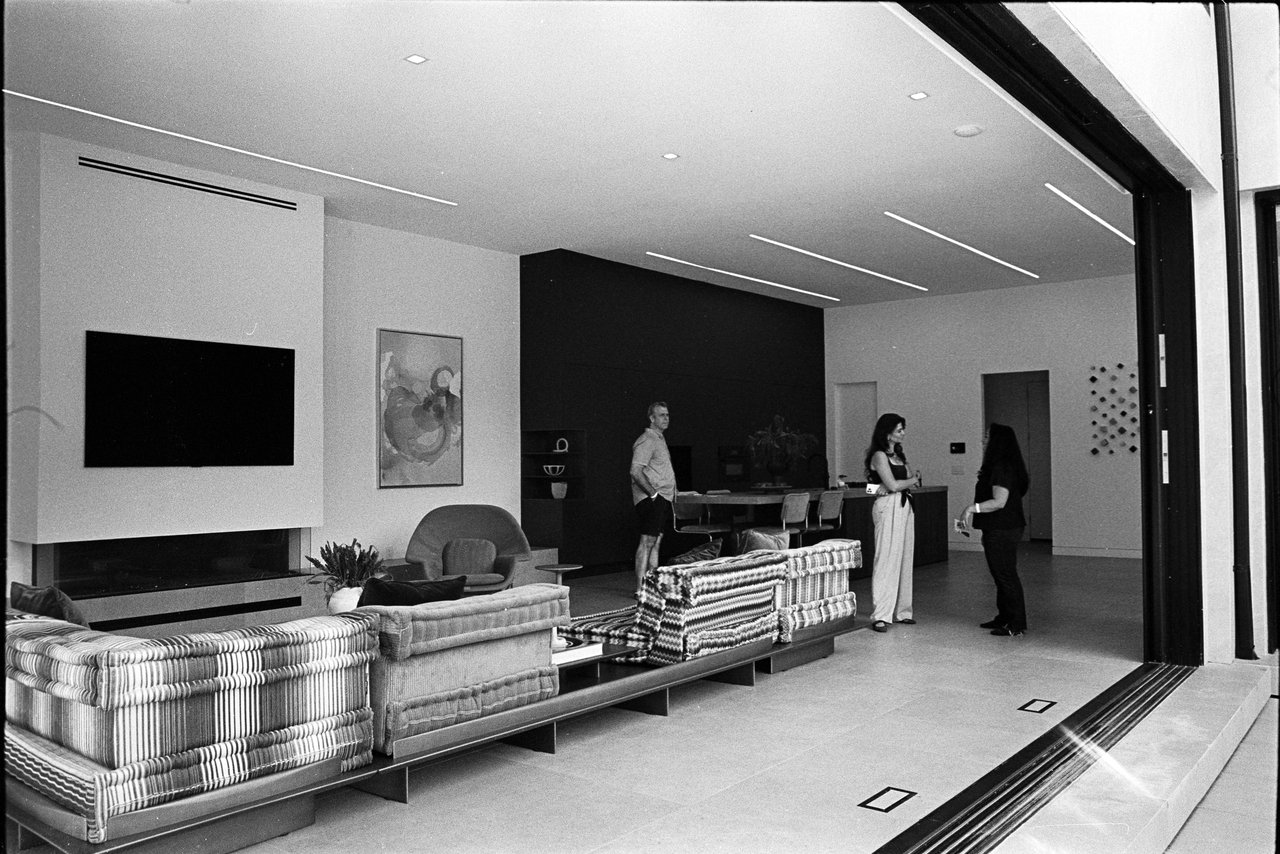
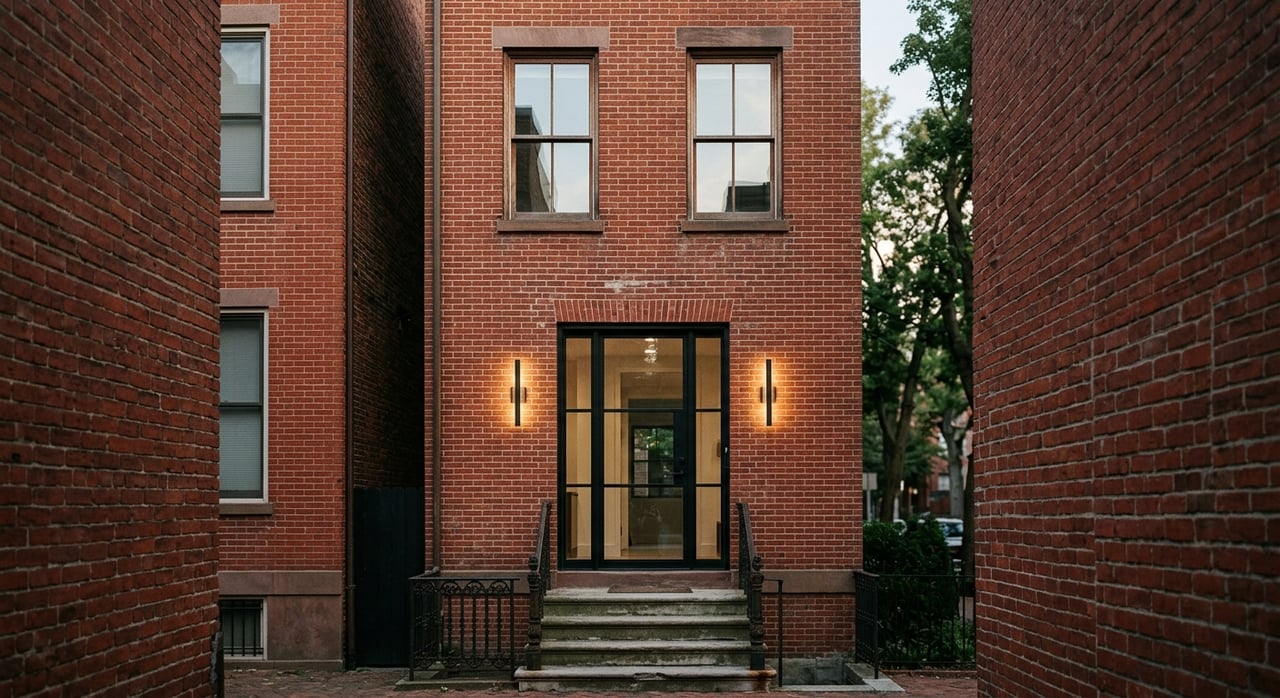
That usually means daylight photography that reveals volume, texture, and material contrast. Interiors should be uncluttered so buyers can read the structure of the space rather than just the furnishings. Exterior images should place the home within its Georgetown setting so the relationship between the contemporary design and the neighborhood is visible.
Staging should support the architecture, not compete with it. The strongest presentation often feels edited and calm, with enough warmth to help buyers imagine living there while still allowing the design to lead. This is where a design-literate marketing approach can create real separation from a more generic listing launch.
Target the right buyers
A modern Georgetown home is rarely a mass-market product. The most likely buyer is often design-conscious and drawn to architectural distinction, quality renovation, and a curated presentation. That is one reason broad, generic promotion may not be enough on its own.
Instead, your marketing should emphasize the elements that help the right buyer connect with the property quickly. That includes provenance, material quality, light, layout, and the home’s relationship to Georgetown’s historic fabric. Buyers in this category are often responding to fit and authorship as much as square footage.
For a design-driven property, targeted storytelling can help create stronger engagement than a standard luxury template. This is where listModern’s editorial approach, high-end media, and design-minded audience can be especially valuable. The aim is not just visibility. It is relevance.
Sell distinction within context
The main advantage of a modern home in Georgetown is not that it breaks from the neighborhood. It is that it offers distinction within one of Washington’s most established historic settings. When that distinction is backed by thoughtful design, clear documentation, and a context-aware presentation, it becomes easier for buyers to understand both the emotional and market value.
That is why selling this kind of property requires more than a standard listing plan. You need a strategy that respects preservation reality, translates architectural intent, and reaches buyers who appreciate specificity. In Georgetown, the strongest story is usually not about being different for its own sake. It is about being rare, resolved, and right for the setting.
If you are preparing to sell a design-driven property in Georgetown, listModern can help you position it with the clarity, curation, and targeted exposure a modern home deserves.
FAQs
How should you price a modern home in Georgetown?
- Use recent Georgetown sales, current listing competition, and the home’s architectural rarity together rather than relying only on traditional nearby comps.
Can you change a modern home’s exterior freely before selling in Georgetown?
- No. In Georgetown, most exterior construction is reviewed, and visible changes are subject to district-specific preservation standards.
Does a modern home fit in Georgetown’s historic district?
- Yes. Georgetown includes many periods and building types, so a modern home can be positioned as a thoughtful architectural layer within a long-evolving neighborhood.
What details matter most when marketing a modern Georgetown home?
- Buyers will often respond to design intent, architect or builder credits, renovation history, materials, natural light, permit history, and how the home relates to its streetscape.
Why is documentation important when selling in Georgetown?
- Documentation helps buyers understand the quality, provenance, and approval history of the home, which is especially important in a tightly regulated historic setting.