By listModern
With insights from Steven Mangas
Market & Positioning
Most residential listings are designed to communicate information quickly. Bedrooms. Bathrooms. Square footage. Lot size. Renovations. Comparable sales.
For the vast majority of homes, those details provide a reasonable summary of what a buyer is evaluating. The challenge is that architect-designed homes are often not defined by the same variables that conventional listings prioritize.
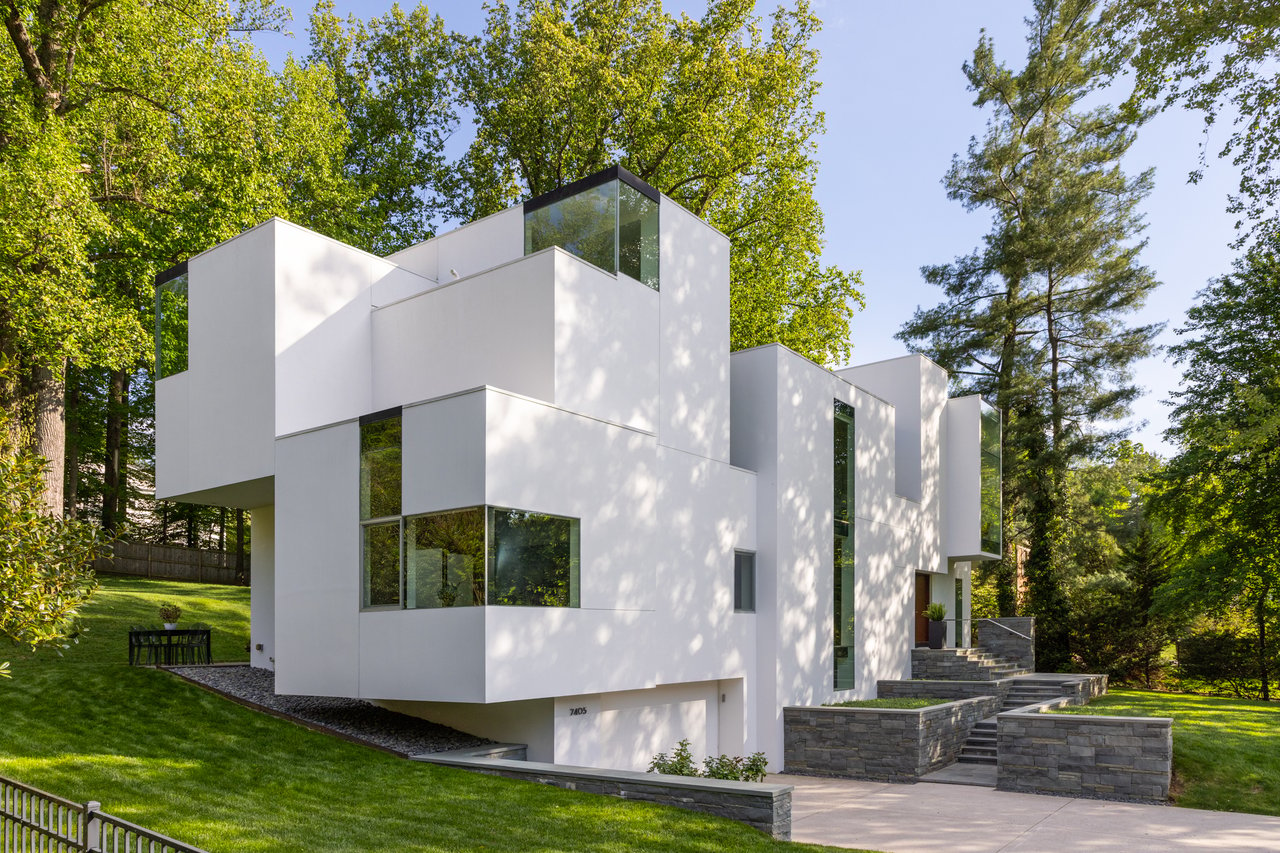
Architecture is not simply a collection of features. It is the result of decisions, relationships, and intent. When architect-designed homes are presented through standardized listing frameworks, much of what makes them distinct can become difficult to see.
The Difference Between Information and Interpretation
Traditional listings are built around inventory management. Their purpose is to organize properties into searchable categories and comparable data points.
Architect-designed homes often require something different.
A well-designed home is not necessarily trying to maximize every metric. In many cases, the architect has deliberately prioritized experience over accumulation, quality over quantity, and coherence over convention.
A listing may accurately report a home's square footage while completely overlooking the reasoning behind how that square footage was used.
The result is a gap between what a property is and how it is understood.
When Features Fail to Explain Value
One of the most common examples appears in homes where the design intentionally departs from market expectations.
A conventional buyer may compare homes based on bedroom count, room size, or total square footage. An architect may reduce or reorganize those elements to support a particular way of living.
A larger room may be sacrificed to improve natural light throughout the home. Additional walls may be removed to create continuity between spaces. Square footage may be concentrated where experience matters most rather than distributed according to convention.
Viewed through a feature-based lens, these decisions can appear like compromises.
Viewed through an architectural lens, they are often the source of the home's value.
The challenge is not that the information is unavailable. The challenge is that the information lacks interpretation.
Authorship Often Disappears
In most collectible markets, authorship matters.
The maker matters in furniture. The designer matters in fashion. The artist matters in fine art.
Architecture is no different, yet it is common for architect-designed homes to be marketed with little or no discussion of the architect, the design process, or the intellectual framework behind the work.
The architect's role becomes secondary to the specifications of the property itself.
This omission removes important context. Authorship helps explain why a home looks the way it does, how it relates to a broader body of work, and what distinguishes it from surrounding inventory.
Without that context, architecture becomes easier to compare but harder to understand.
What Buyers Discover in Person
Many of the qualities that define great architecture resist simple measurement.
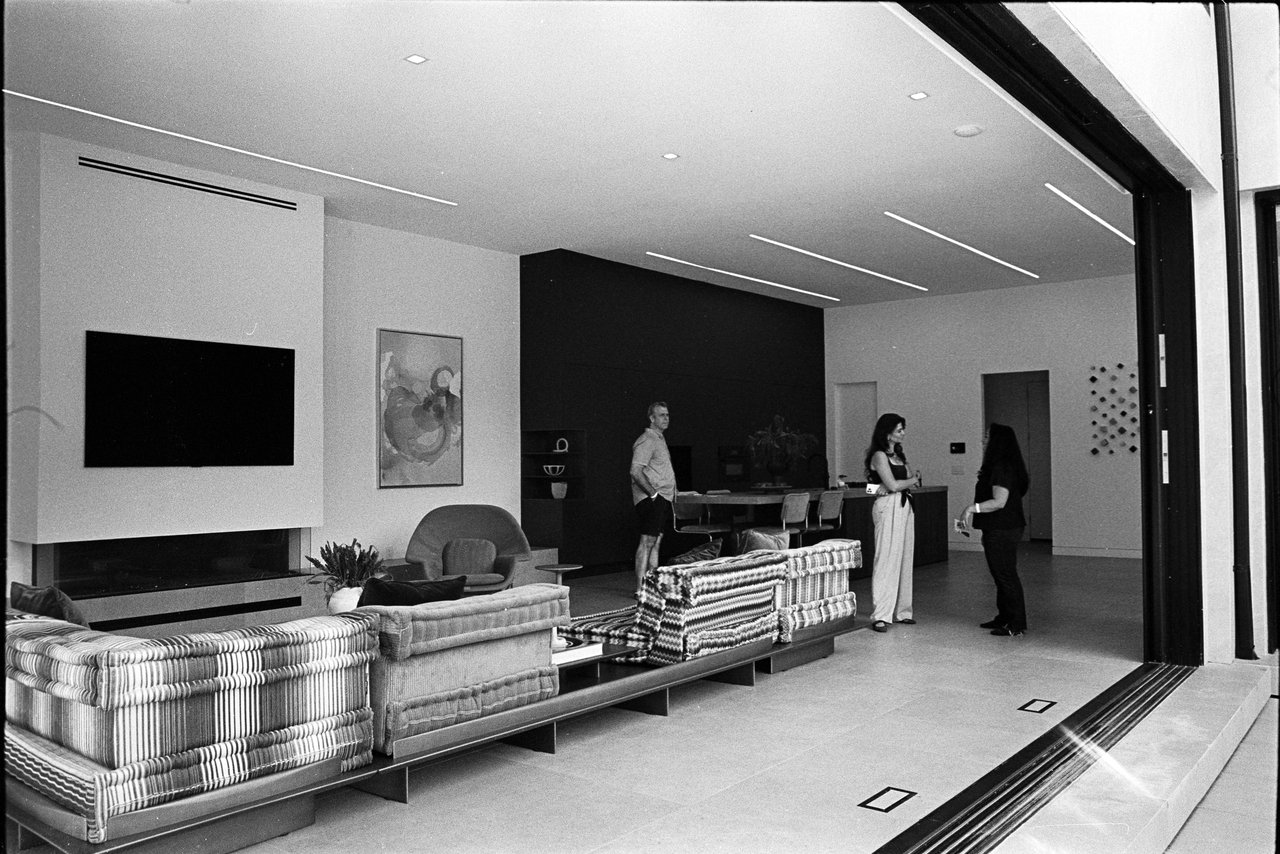
Buyers often describe a sense of continuity when moving through a thoughtfully designed home. Spaces relate naturally to one another. Materials feel connected. Light arrives where it is intended. Circulation feels intuitive rather than forced.
These qualities rarely appear in data fields; they are experienced rather than counted.
This helps explain why some architect-designed homes create a strong impression in person despite appearing relatively ordinary in a standard listing environment. The listing communicates the components. The experience reveals the composition.
Better Presentation Changes the Conversation
Not every buyer is searching for architecture, but those who are tend to recognize distinctions quickly when given context.
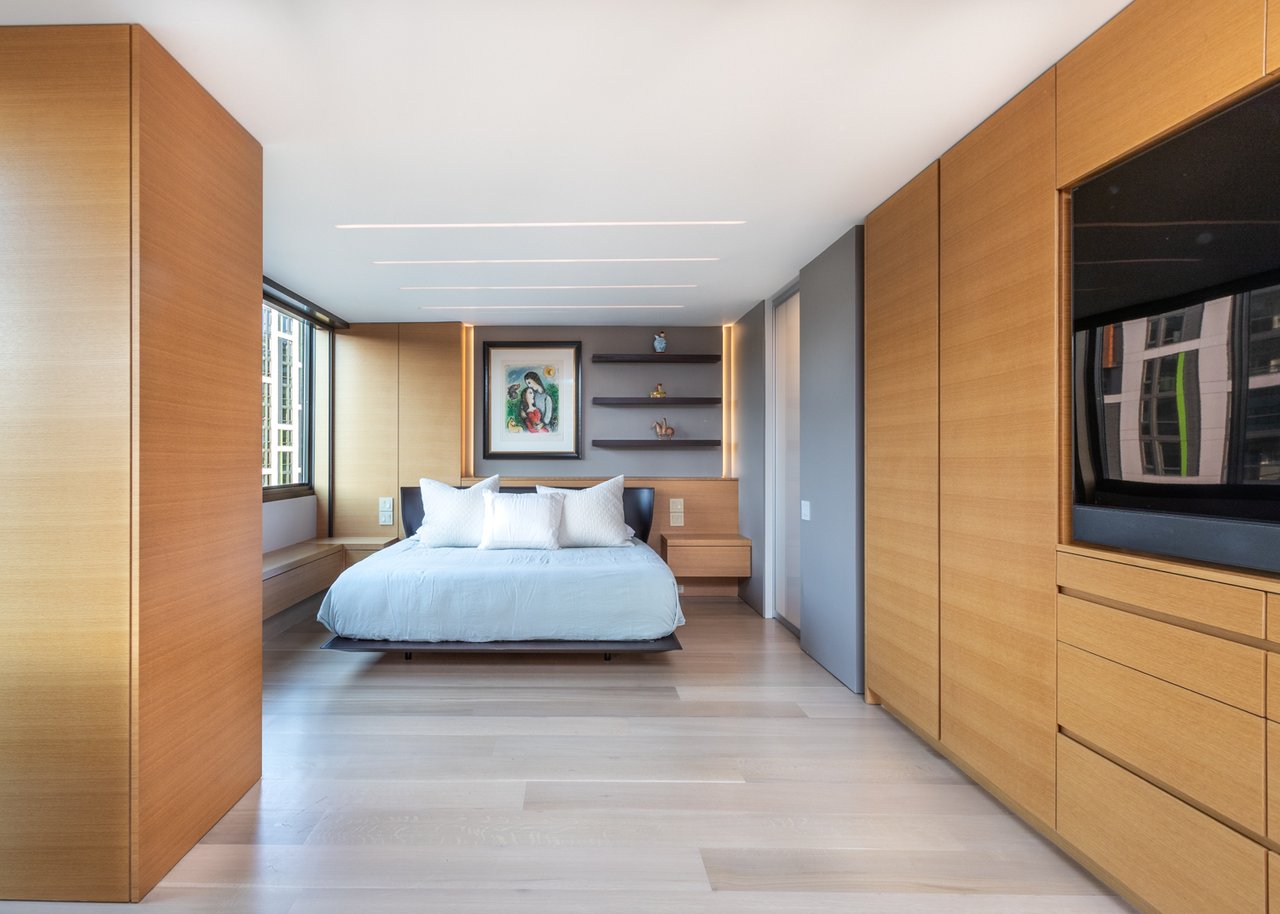
Presentation plays an important role in that process. Thoughtful photography, architectural context, discussion of authorship, and clear explanation of design intent help shift the conversation away from isolated features and toward the qualities that make a home distinctive.
The objective is not to create a different property; it's to create a clearer understanding of the one that already exists.
When architectural homes are interpreted rather than simply cataloged, buyers are better equipped to recognize what they are evaluating. Sellers benefit from a more informed audience. The home is understood on terms that more closely reflect its design intent.
Architecture Requires Context
Architect-designed homes do not exist outside the real estate market. They are bought and sold like any other property, yet they often derive value from qualities that conventional listing systems were never designed to communicate.
The issue is not that traditional listings are incorrect; it is that they are incomplete. Architecture carries authorship, intent, and experience. Those qualities shape how a home is lived in and understood. When they are absent from the presentation, the market sees information.
When they are properly interpreted, the market sees architecture.
-
Continue
Case Study: Reframing Value
Case Study: Representation is a part of the work
Selling a Modern Home
Explore Homes