By listModern
With insights from Steven Mangas
Value & Interpretation
The Question of Who, Not What
Most residential real estate is described through features rather than design. Square footage, finishes, amenities. These are inventories. They are not explanations.
Architectural authorship reframes the question. Who made this, and what decisions define it? The house is no longer a collection of attributes. It becomes a work shaped by intent, constraint, and resolution.
This is the difference between something assembled and something composed.
Defining Architectural Authorship
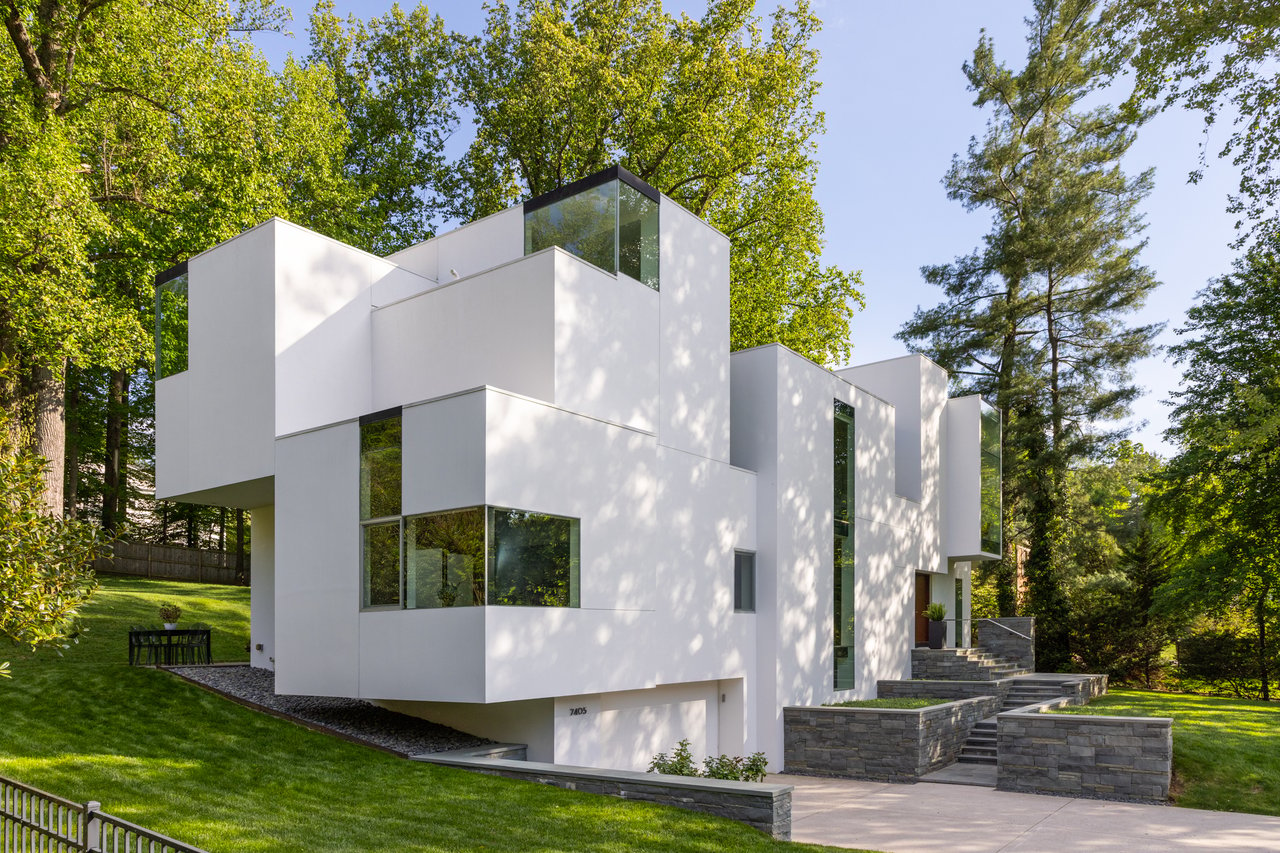
Architectural authorship is the presence of a clear design intelligence guiding a project from concept through execution. It is not dependent on name recognition. It is evident in coherence.
A considered home exhibits:
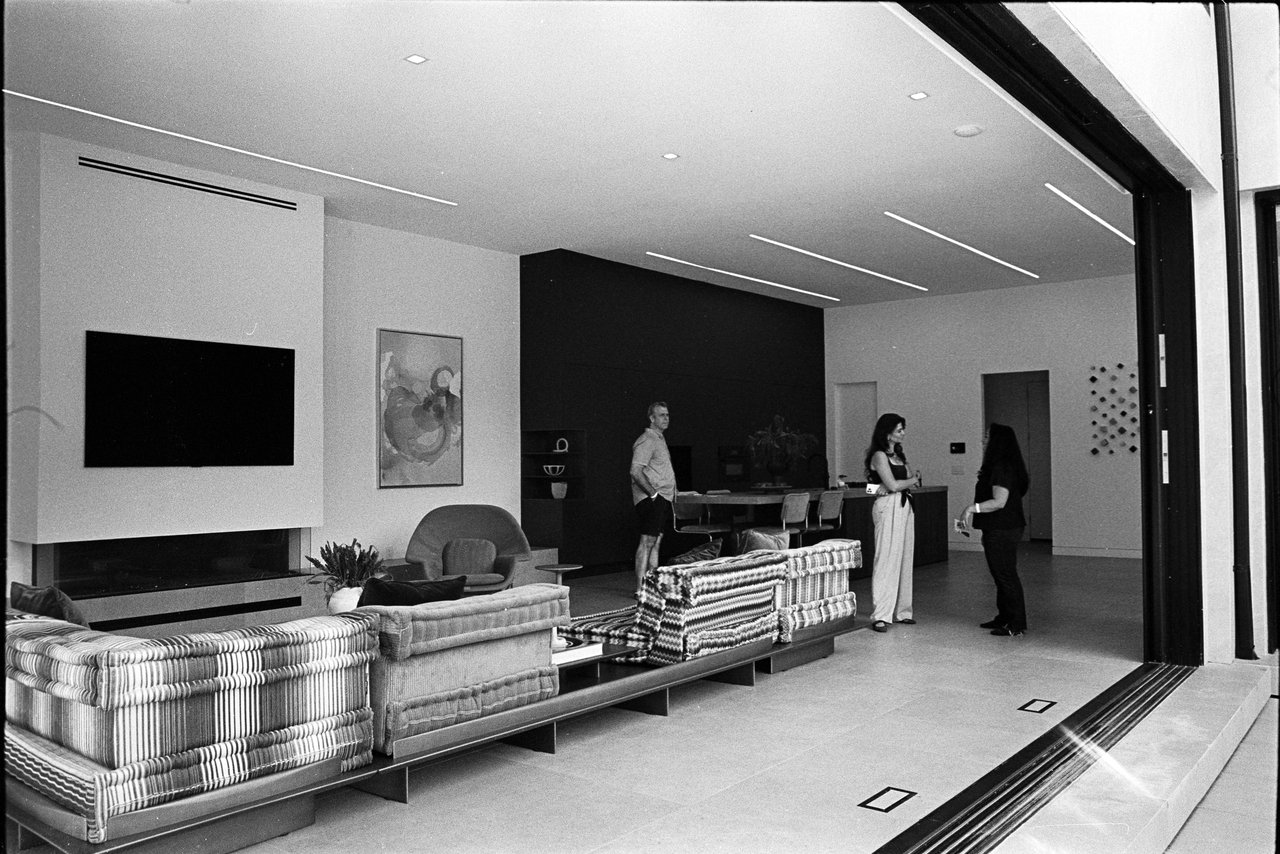
- Consistent spatial logic
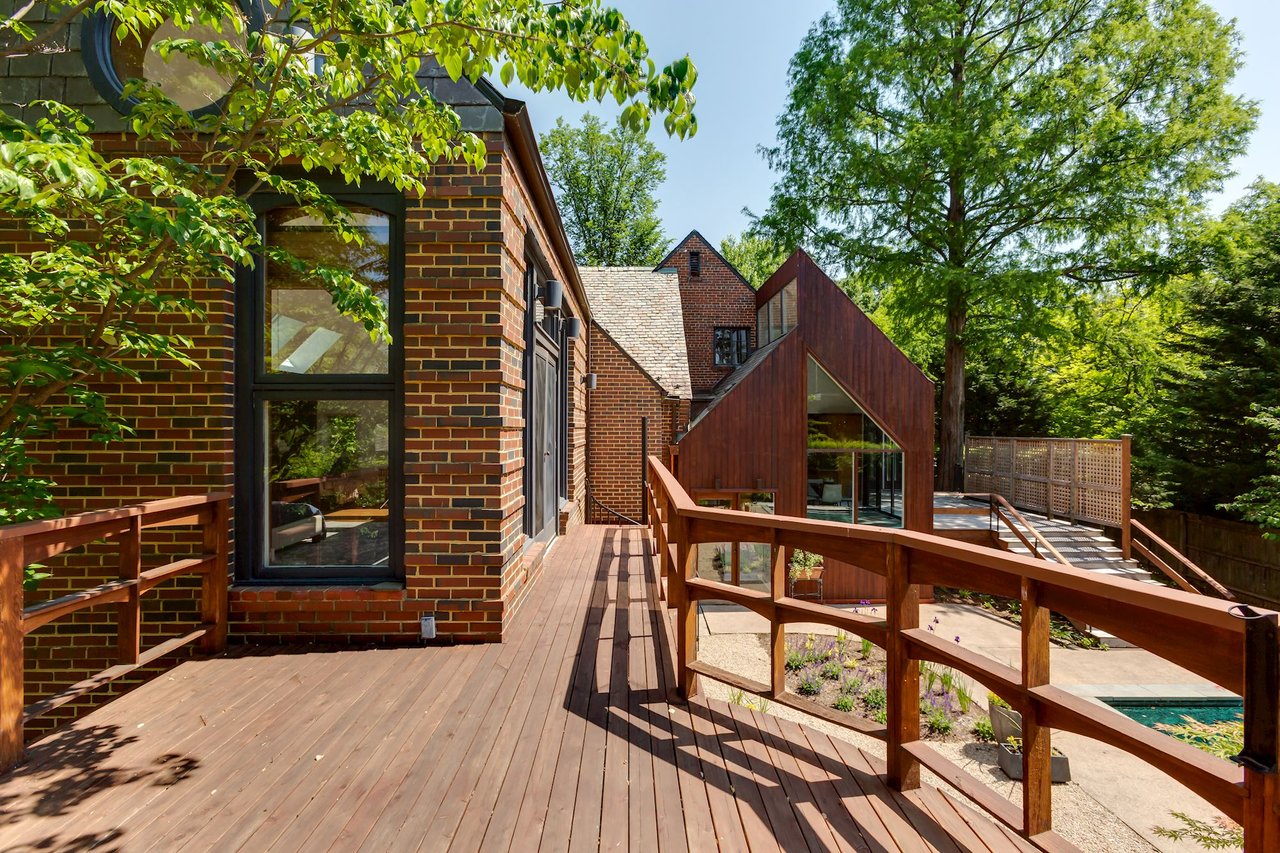
- Deliberate relationships between structure, light, and material
- Decisions that resolve tradeoffs rather than conceal them
This condition is legible. It can be read in plan, in section, and in experience.
It is not a matter of taste. It is a matter of whether a guiding structure is present.
Authorship Is Not Style
Style describes appearance. It does not explain how a building is conceived or resolved.
Modern, traditional, transitional. These are surface classifications. They describe how something looks, not how it was developed.
A home may adopt a style, or it may develop a language through site, constraint, and discipline. Two houses can appear similar while operating entirely differently.
Style can be replicated. Design logic cannot.
A resolved home is not defined by how it looks, but by how consistently its decisions hold together.
How Design Intent Shapes Experience
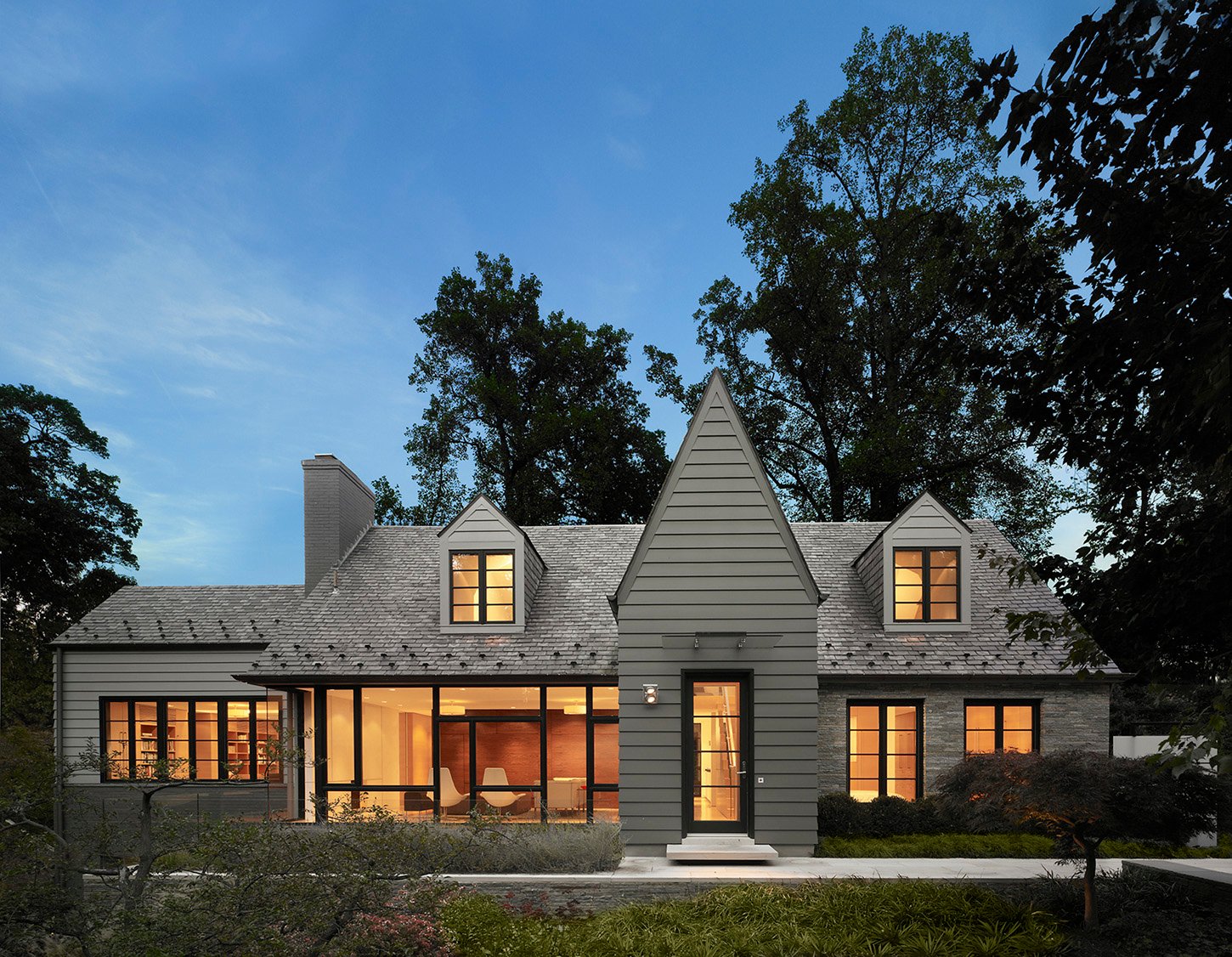
This condition is experienced, not theoretical.
- Movement follows a sequence
- Light is introduced and controlled with intention
- Materials are selected for relationship and performance, not effect
These are structural decisions. They accumulate into a lived experience.
In resolved work, nothing is incidental. Restraint is a decision.

Authored vs. Generic Design
Generic residential design prioritizes familiarity. It is optimized for recognition and speed of consumption. Plans are derived from precedent rather than inquiry.
A considered home begins with conditions - site, climate, orientation, program - the design emerges in response.
The distinction is clear:
| Authored Design | Generic Design |
|---|---|
| Derives from constraints | Applies pre-existing templates |
| Resolves complexity through clarity | Masks complexity with features |
| Maintains internal consistency | Prioritizes immediate appeal |
| Ages through ideas | Ages through finishes |
Homes shaped by clear design authorship behave differently in the market because they are not interchangeable.
This difference becomes more apparent over time. One remains legible. The other requires updating to maintain relevance.
Why This Is Overlooked in Real Estate
The real estate system is not structured to interpret design.
Listings prioritize:
- Quantifiable metrics
- Visual immediacy
- Broad market alignment
Design intelligence resists simplification. It requires reading, not scanning.
As a result, architect-led homes are often:
- Undervalued when compared through features alone
- Reduced to stylistic labels
- Underrepresented in marketing narratives
Without interpretation, the underlying logic remains invisible.

The Role of Interpretation
Interpretation makes design legible.
It identifies:
- The governing ideas
- The decisions that carry those ideas through the project
- The relationships that define the experience of the home
This is not embellishment. It is translation.
When properly interpreted, a home can be understood on its own terms rather than reduced to comparables.
Value begins to align with intent.
Toward a Different Standard of Value
Architectural authorship reframes residential value from commodity to work.
It introduces a different set of criteria:
- The design is a coherent whole, not a collection of features
- Decisions are fully resolved, not approximated or concealed
- The work is driven by intent, not by imitating a familiar look
These criteria do not replace traditional metrics. They contextualize them.
Certain homes perform differently because they are fundamentally different.
Continuity Across the Platform
This framework informs how homes are selected, presented, and understood across the platform.
- Architectural Value defines how design is evaluated
- Featured Homes demonstrates how these ideas are applied
- Explore Homes enables discovery through this lens
Each reflects the same premise. Design intelligence is the primary signal of architectural value.
Closing Position
Architectural authorship is not abstract. It is a working lens.
It clarifies what a home is, how it was made, and why it matters.
Without it, residential design is reduced to inventory. With it, a home can be understood as intended and valued accordingly.