By listModern
With insights from Ron Mangas, Jr
Market & Positioning
Rather than viewing the sale of 11604 Fairfax Station Road as a successful transaction, it is more useful to consider it as a study in representation. The home posed a question that many architect-designed residences eventually encounter. How do you present a work of architecture within a marketplace designed to compare commodities?
The answer was never simply a matter of marketing. It required understanding how buyers perceived the home, where conventional real estate language fell short, and how thoughtful interpretation could bridge that gap.
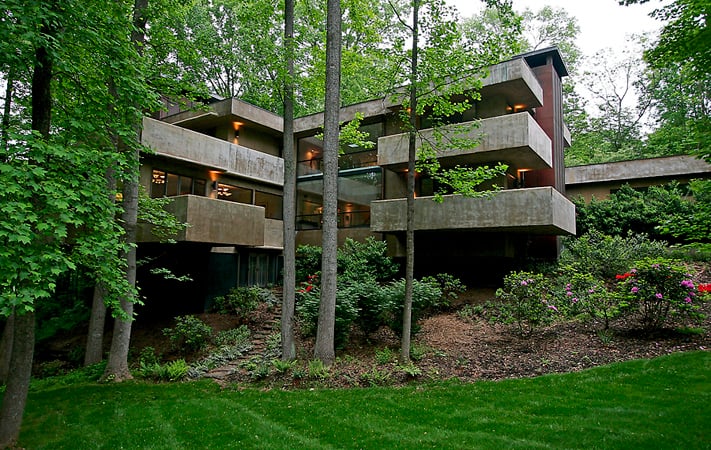
Years before the property ultimately sold, a brief attempt to bring the home to market revealed an immediate disconnect. Conventional evaluation methods gravitated toward familiar measurements: square footage, acreage, and finish selections. That meant a home conceived through proportion, movement, and disciplined restraint was being interpreted through the same framework applied to any other residence.
Looking back, Ron recalls that experience clearly.
"Agents were quick to jump to what they know best: metrics on square footage, acreage, and unfortunately, value placement on adornment and frivolous detailing that modernists proudly avoid with meticulous care."
The challenge was not convincing people that the house was exceptional. It was recognizing that the conventional marketplace was not equipped to explain it.
That understanding shaped the next opportunity.
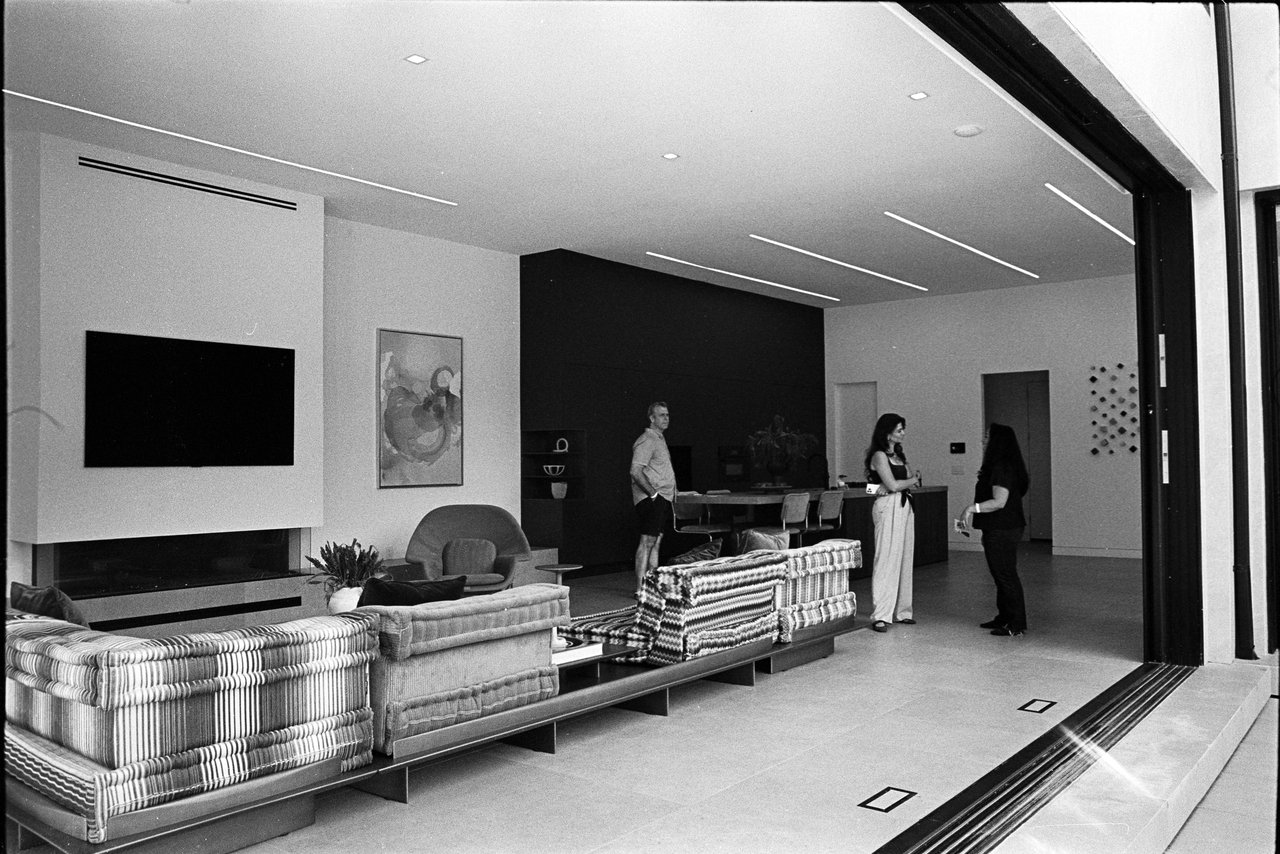
In 2025, listModern intentionally included the home on the annual Modern Home Tour, which it co-hosts. The decision was more than a promotional opportunity. It placed the property before an audience already engaged with architecture, allowing the home to reveal itself within the right context rather than being reduced to standardized listing language.
The response became one of the defining moments of the project.
Visitors traveled from throughout the Washington metropolitan region to experience the house, confirming that appreciation for architecture was never in short supply. The audience already existed. The challenge was creating the connection.
As Ron reflected afterward,
"It was evident that the audience is there if you bring it to them, and they'll be so grateful to find it."
That realization informed every subsequent decision. The objective was no longer broad exposure. It was thoughtful placement: connect the home with buyers already capable of recognizing what made it significant.
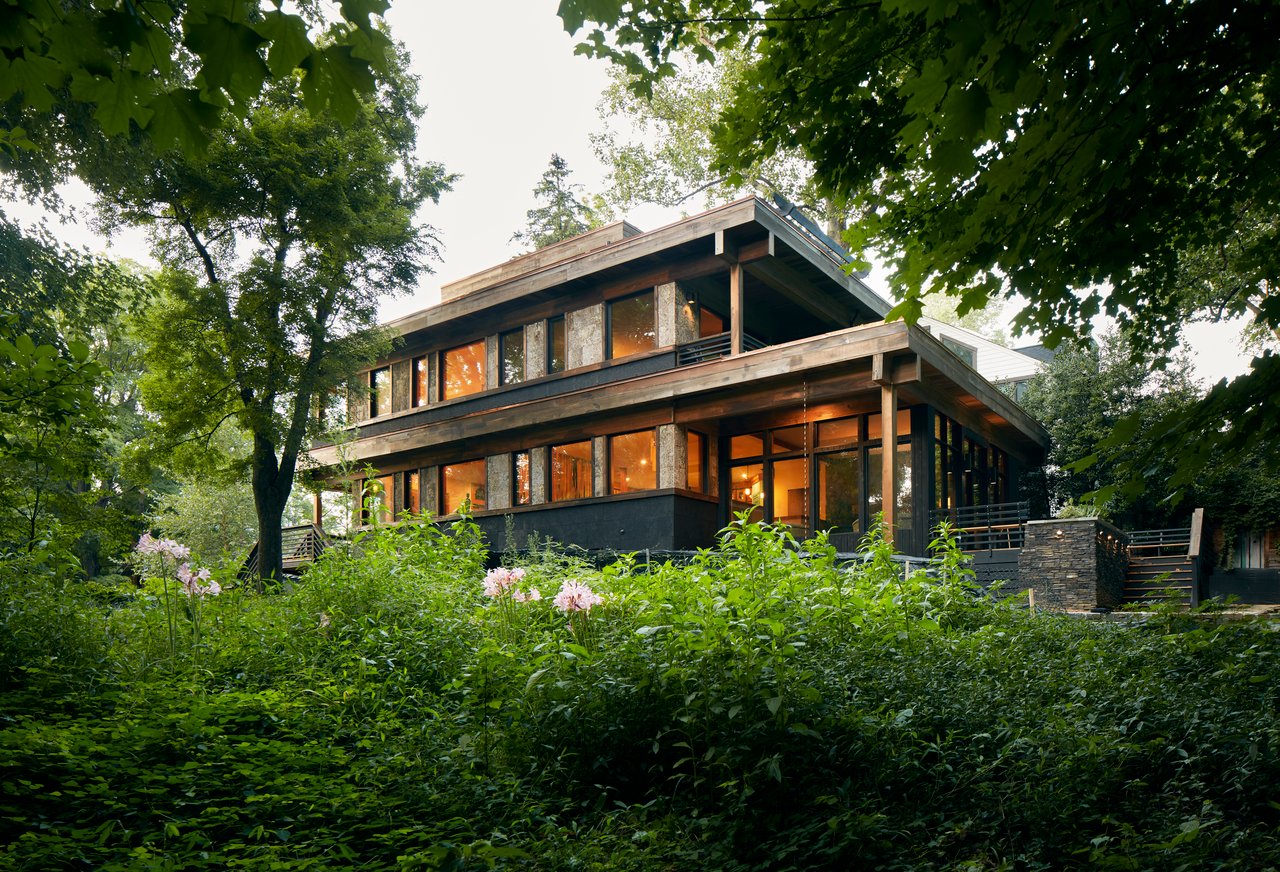
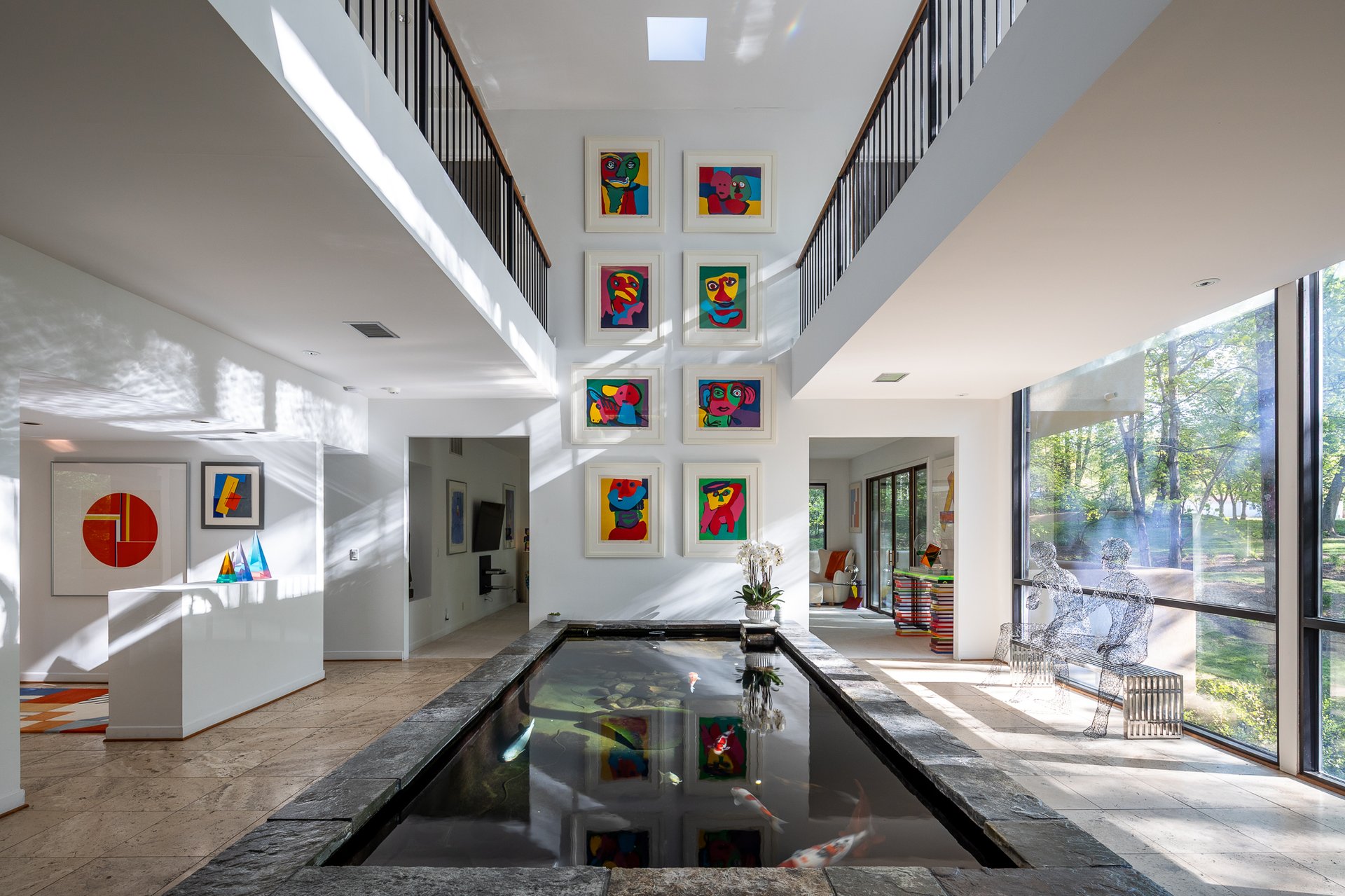
The most revealing lessons continued to emerge during private tours. Again and again, buyers realized that no photograph or description could stand in for the whole. The way the home settled into the natural swale of the site, the sequence of spaces, the reflections cast from the koi pond, and the quiet projection into the surrounding tree canopy combined to create something that resisted summary.
Ron describes it simply.
"Touring the house in person is a necessity. There is no way to comprehend the totality of the design concept and intention otherwise."
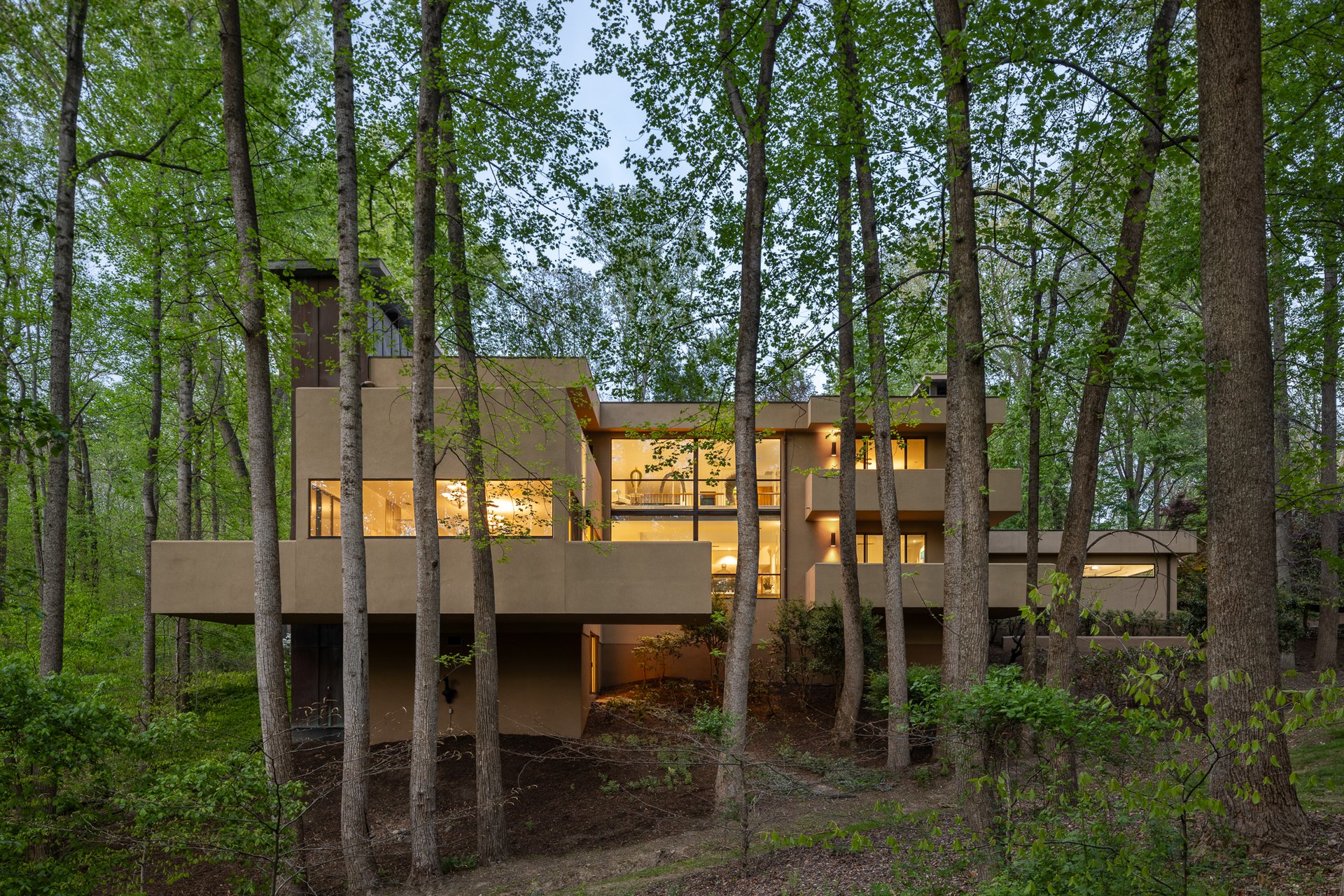
Visitors also responded to something less obvious. The building conveyed an unusual sense of permanence. Thick glazing, a substantial envelope, and carefully executed construction created a quiet confidence beneath the visual lightness of the design. That combination challenged common assumptions about modern homes and often shifted conversations away from finishes and toward the quality of the building itself.
Looking back, the sale reinforced a broader lesson.
Architect-designed homes rarely ask buyers to admire individual features. They ask them to understand a complete work: how the building occupies its site, how it is constructed, and how each decision contributes to a cohesive whole. Those qualities are difficult to communicate through comparison alone.
Representing a home like 11604 Fairfax Station Road therefore requires more than documenting its features. It requires recognizing what makes the home distinct before conventional comparisons begin to define it. Just as importantly, it requires creating the conditions for the right audience to encounter it with enough context to understand what they are seeing.
The sale did not simply affirm the value of a different marketing approach. It reinforced that representation itself is part of the work. When architecture is presented with clarity, context, and respect for its original intent, the market is allowed to recognize qualities that standardized real estate systems rarely capture.
-
Continue
Why Architectural Authorship Matters
Featured Home: 11604 Fairfax Station Road
Selling A Modern Home