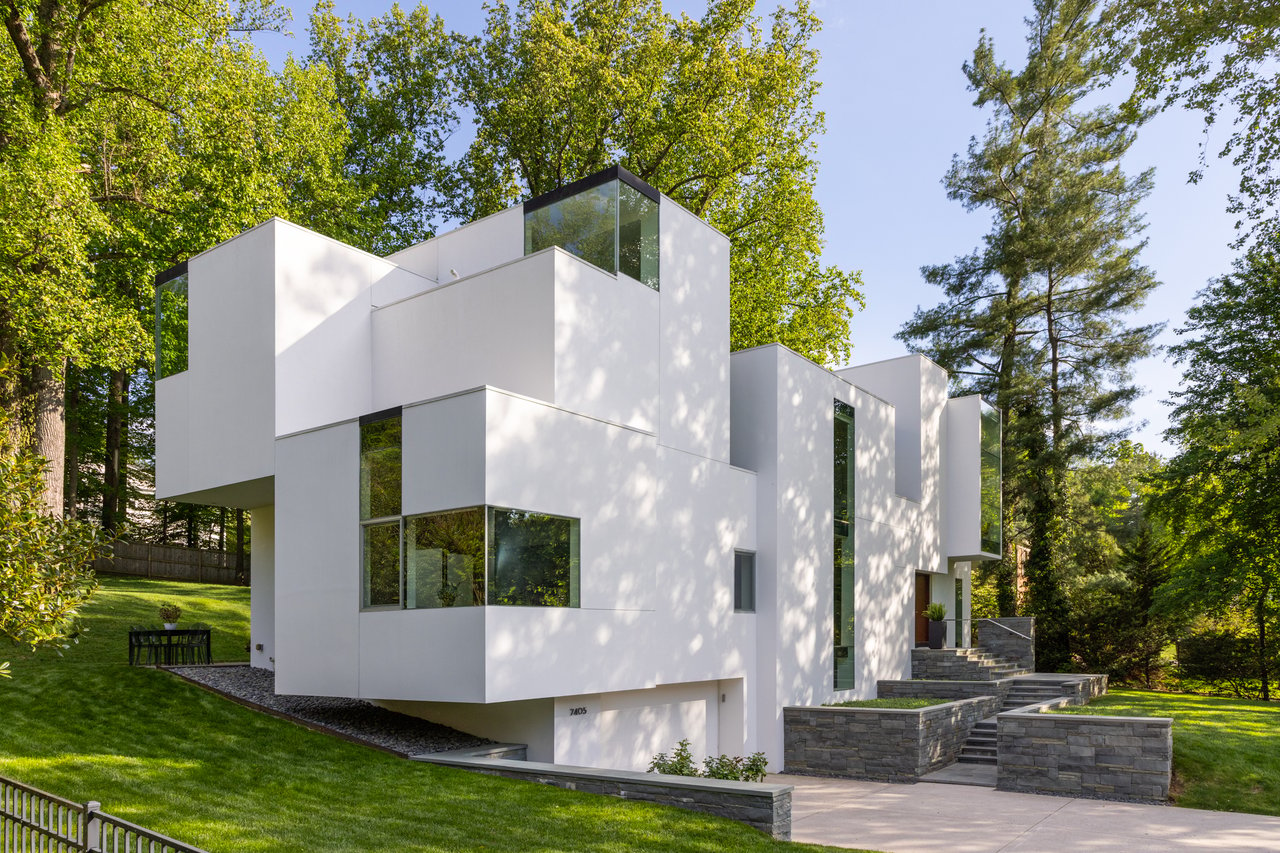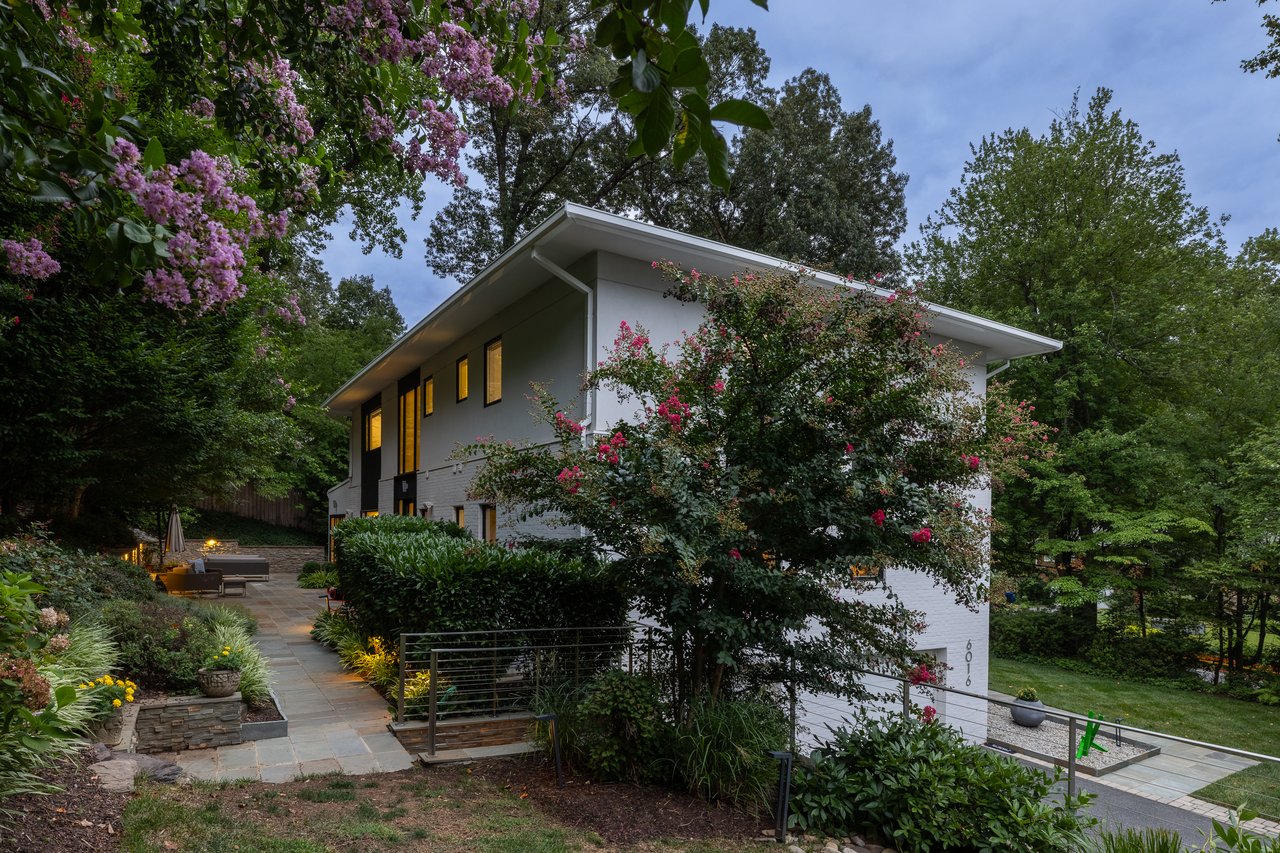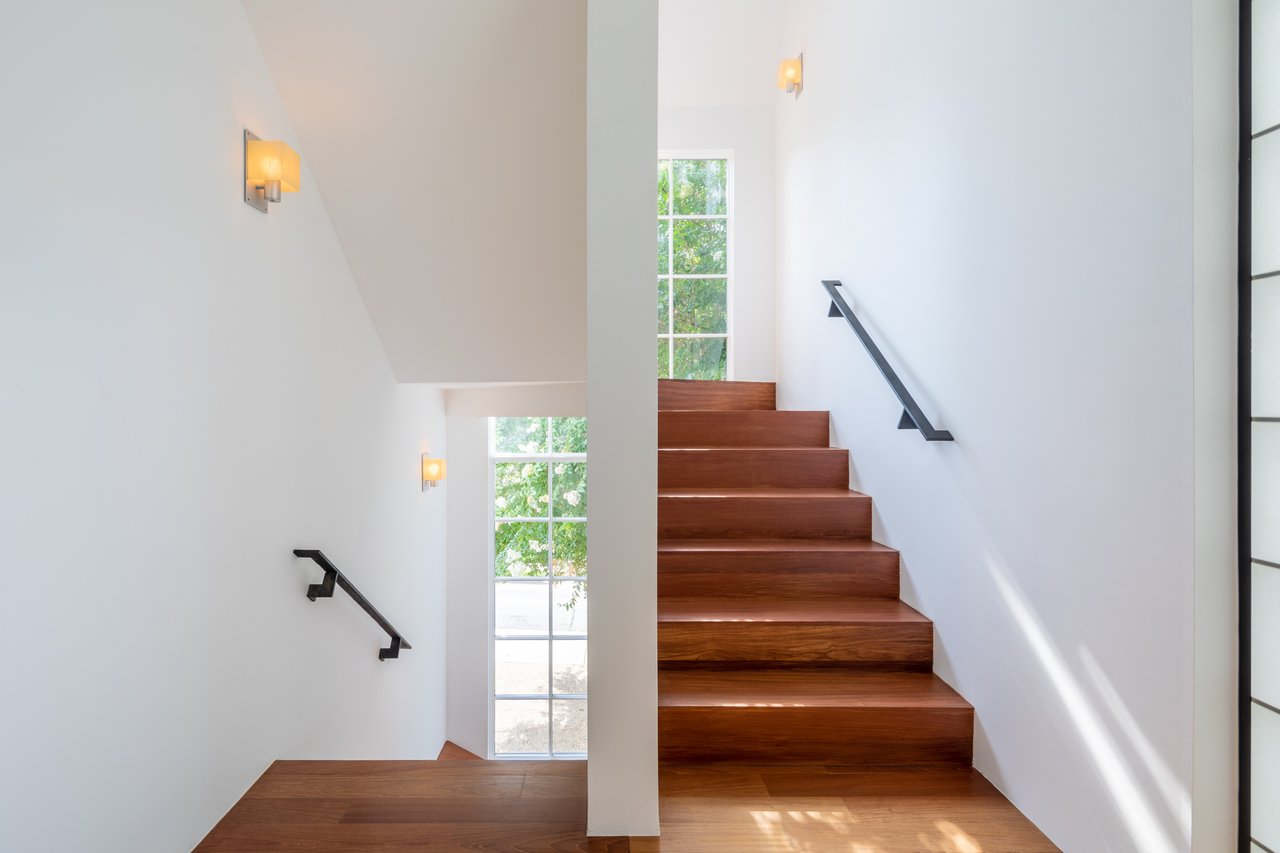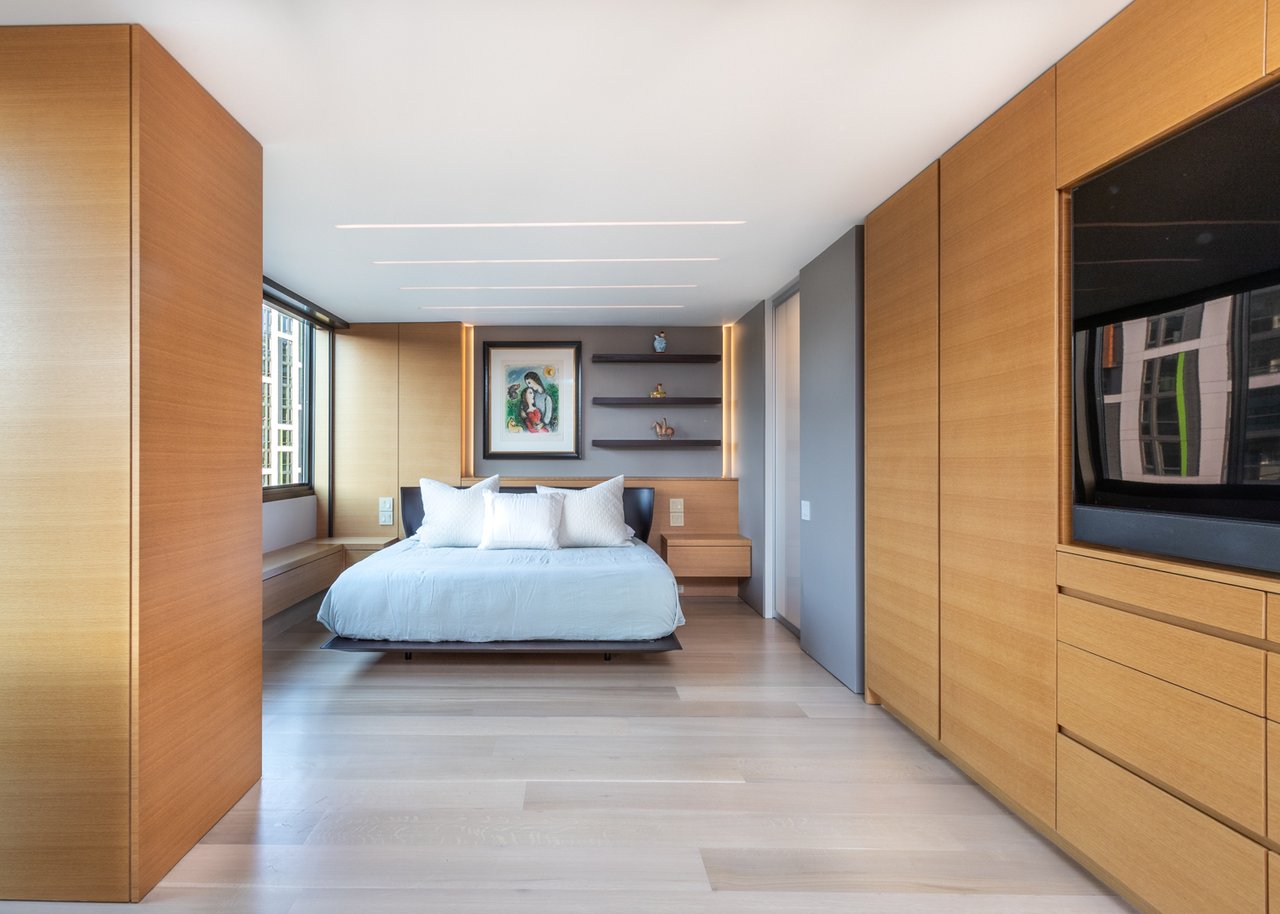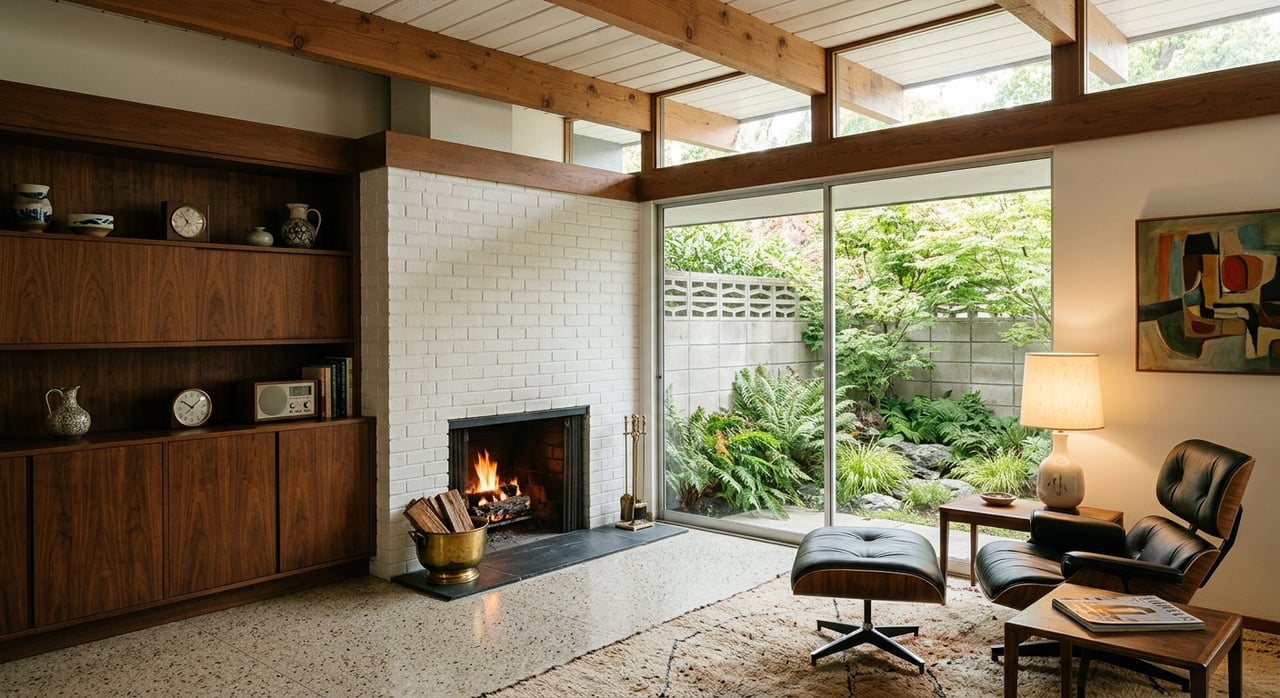
If you have ever searched for a true mid-century modern home in Virginia, you already know the challenge. Plenty of listings use the label, but far fewer properties still reflect the design ideas that made mid-century modern architecture special in the first place. This guide will help you understand what authenticity really means, where to focus your search in Virginia, and how to evaluate a home with a more informed eye. Let’s dive in.
What Makes a Mid-Century Home Authentic?
In Virginia, finding an authentic mid-century modern home is less about finding a house that looks old and more about finding one that still communicates its original design intent. Preservation standards focus on integrity, which means the home still conveys its architectural significance through a meaningful mix of location, design, setting, materials, workmanship, feeling, and association.
That matters because many mid-century homes have been updated over time. A house does not need to be frozen in time to be authentic. What matters is whether the features that define the design are still clearly present and whether the home still feels true to the way it was originally conceived.
Key Mid-Century Features to Look For
Virginia’s best-documented modern neighborhoods offer a useful checklist. Common features include:
- Open floor plans with easy flow between living spaces
- Large expanses of glass or floor-to-ceiling windows
- Low-slung rooflines, including flat, low-pitched, or butterfly roofs
- Minimal ornament and simple exterior materials
- Post-and-beam, modular, or prefabricated elements
- Strong indoor-outdoor connection through siting, views, and landscape integration
These features are especially important in residential settings where the architecture was designed to work with the lot, topography, and tree cover rather than against it.
Where to Find Authentic Mid-Century Homes in Virginia
If your goal is to find a home with real architectural credibility, Fairfax County stands out as the strongest place to start. A 2023 to 2024 county survey documented a high concentration of modern architecture, including eight potential historic districts and 143 individual properties built between 1950 and 1980.
For buyers, that official documentation matters. It gives you a stronger foundation for identifying neighborhoods where modern design survives not just in a few isolated houses, but across a larger residential setting.
Hollin Hills in Fairfax County
Hollin Hills is one of the most significant modernist neighborhoods in Virginia. The Virginia Department of Historic Resources describes it as the first planned development of Modern architecture in the Washington metropolitan area and one of the earliest subdivisions of its kind in the state.
The district spans 326 acres and contained 463 single-family homes at the time of listing. Its best-known characteristics include open floor plans, floor-to-ceiling windows, low-pitched and butterfly roofs, and prefabricated modular building types. If you want a neighborhood where architecture and landscape still work together in a visible way, Hollin Hills is one of the clearest examples.
Holmes Run Acres in Fairfax County
Holmes Run Acres is another key location for buyers focused on authenticity. Built between 1951 and 1958, the neighborhood was planned with modern-style houses staggered across wooded lots, creating privacy and a distinct break from more conventional subdivision patterns of the same era.
Fairfax County design materials describe Holmes Run Acres as roughly 140 wooded acres with nearly 350 single-family homes, along with community amenities such as a school, recreation center, pools, and park. Original houses often feature open plans, plywood panels, fixed glass, and sliding windows, all of which speak to the neighborhood’s architectural identity.
Lake Anne and Reston-Era Modernism
Lake Anne Village Center is not a single-family house neighborhood in the same sense as Hollin Hills or Holmes Run Acres, but it remains an important reference point for buyers exploring Virginia modernism. Built from 1963 to 1967 as the first village of Reston, it reflects how mid-century planning and architecture shaped a broader community vision.
Its pedestrian-oriented layout and mix of residential, retail, and public uses make it useful context if you are searching for modern homes nearby. Even when the property itself is not a classic detached mid-century house, understanding these surrounding design environments can sharpen your sense of what authentic modern planning looks like.
What the Rest of Virginia Offers
Mid-century modern homes do exist beyond Northern Virginia. Statewide survey work by the Virginia Department of Historic Resources identifies examples in places such as Richmond, Charlottesville, Hampton, Lynchburg, Bristol, and Alexandria.
Still, the pattern is important. Outside Fairfax County, you are more likely to find scattered individual houses than large, cohesive neighborhoods with strong official documentation. That does not make those homes less interesting, but it usually means your search will require more careful verification.
How to Judge Original Design Integrity
When you tour a mid-century home, the most important question is simple: does the house still read as the design it was meant to be? In Virginia’s best-preserved modern communities, authenticity is tied not only to finishes, but also to roof form, massing, window patterns, and the relationship between the home and the land.
That means cosmetic updates are not always the issue. A renovated kitchen may not undermine authenticity. A changed roofline, enclosed carport, or loss of major glass walls might.
Signs a Home Still Feels Authentic
Look for these clues:
- The massing and roofline still appear low and horizontal
- The window layout keeps large glass areas, clerestories, or original proportions
- The house still responds to the lot, slope, trees, and privacy setting
- Features such as carports, exposed structure, built-ins, or original cladding are still visible
A home can be updated and still be a strong example of mid-century modern design if these character-defining elements remain intact.
Signs Renovations May Have Gone Too Far
Be cautious when you see changes like these:
- Enclosed carports
- Additions that overpower the original form
- Altered roof pitches that remove the low-profile silhouette
- Replacement of large glass walls with smaller conventional windows
- New exterior siding that conceals the original material palette
The Virginia Department of Historic Resources notes that aluminum or vinyl siding can hide historic features and may damage underlying historic material. For a design-minded buyer, that is more than a cosmetic issue. It can change how the house is understood architecturally.
Why Contributing Status Matters
If you are buying within a historic district, ask whether the home is considered a contributing or noncontributing resource. That distinction can tell you a great deal about how much architectural integrity the property retains.
A contributing resource still conveys the significance of the district. A noncontributing resource may have been heavily altered, substantially rebuilt, or constructed outside the district’s period of significance. Two homes may appear similar at first glance, but this classification often explains why one carries more preservation weight than the other.
Virginia Due Diligence for Buyers
Before you move forward on a mid-century modern home in Virginia, it helps to verify more than just age and style. Historic designation, local review rules, and the survival of original features can all affect both ownership experience and long-term value.
Virginia also has an important distinction buyers should understand. State and federal historic registers are primarily honorary. According to the Virginia Department of Historic Resources, they do not automatically prevent alterations or demolition and do not by themselves create local historic district controls.
What to Verify Early
As you evaluate a property, confirm:
- Whether it is individually listed or contributes to a historic district
- Whether it is located in a local historic overlay district
- Which original features remain
- Whether additions were compatible with the original design
- Whether the neighborhood’s landscape plan and siting still survive in a meaningful way
In Fairfax County, local historic overlay districts can include district-specific guidelines and Architectural Review Board review for exterior changes. That is especially relevant in communities where architecture and landscape are closely linked.
A Smarter Way to Search in Virginia
If you are serious about finding an authentic mid-century modern home in Virginia, the strongest opportunities are usually in neighborhoods where the architecture, landscape, and original subdivision plan still work together. In practical terms, that often means starting with Hollin Hills and Holmes Run Acres in Fairfax County, while keeping Lake Anne and other Reston-era settings in mind as architectural context.
Outside those clusters, the search can still be rewarding. You may just need a more careful process, especially when evaluating integrity, documentation, and how much of the original design remains legible. For buyers who care about provenance and design intent, that extra work is often what separates a merely styled house from a truly authentic one.
For design-minded buyers in Virginia, that is where a focused, architecture-literate approach makes a difference. If you want help identifying and evaluating authentic modern homes in the DMV, listModern offers a curated perspective shaped by design expertise, local market knowledge, and a deep appreciation for architectural integrity.
FAQs
What defines an authentic mid-century modern home in Virginia?
- An authentic mid-century modern home in Virginia is one that still conveys its original architectural significance through features like open plans, large glass areas, low rooflines, minimal ornament, and a strong relationship to the lot and landscape.
Where should you look for mid-century modern homes in Virginia?
- Fairfax County is the strongest place to begin, especially neighborhoods like Hollin Hills and Holmes Run Acres, which have some of the clearest official documentation of cohesive modern residential architecture.
Can a renovated Virginia mid-century home still be authentic?
- Yes. A home can still be authentic after updates if it retains enough design integrity, especially in its roof form, massing, window patterns, materials, and site relationship.
What changes can reduce a mid-century home’s authenticity?
- Changes like enclosed carports, altered roof pitches, replacement of large glass walls with smaller windows, and siding that hides original materials can weaken the home’s architectural integrity.
Why does contributing status matter in a Virginia historic district?
- Contributing status indicates that a property still reflects the district’s historic significance, while noncontributing status often signals substantial alteration or loss of original character.
Do historic registers in Virginia restrict changes to a house?
- Not by themselves. The Virginia Department of Historic Resources states that state and federal register listing is honorary, while local historic overlay districts may impose separate exterior-review requirements.