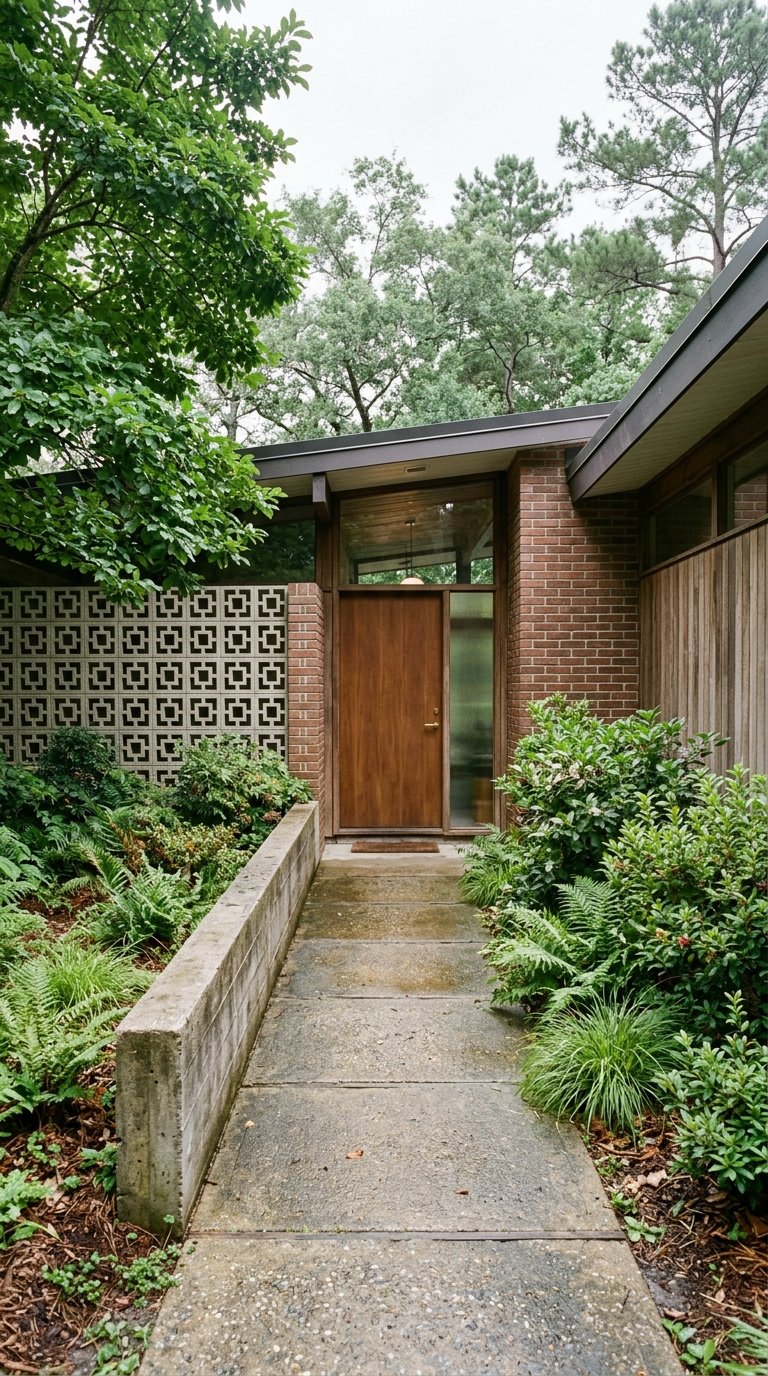
If you own a mid-century modern home in Maryland, you may be asking a tricky question: how do you update it without erasing what makes it special? That tension is real, especially when you want better function, lower maintenance, or more space while still honoring the home’s original design. The good news is that preservation does not mean freezing a house in time. It means making thoughtful choices that keep its defining character clear. Let’s dive in.
Why preservation matters in Maryland
Maryland homeowners often work within more than one preservation framework. The Maryland Historical Trust says the Maryland Inventory of Historic Properties is the state’s official record of known architectural and archaeological resources, but it is a planning and documentation tool, not a legal restriction by itself.
That distinction matters if you own or are considering a mid-century modern property. A home can be documented and recognized for its architectural value without automatically limiting what you can do to it. At the same time, many Maryland counties and municipalities have local historic districts or landmark programs that may require design review for exterior changes.
Montgomery County offers one of the clearest local examples. Through its Montgomery Modern initiative, the county has been documenting mid-century modern buildings and communities from the late 1940s through the 1960s, a period now increasingly recognized for architectural and cultural significance.
In 2022, Potomac Overlook became Montgomery County’s first Mid-Century Modern historic district. According to Montgomery Planning, that kind of designation can help protect buildings and neighborhoods from demolition, manage exterior alterations, offer owners care and restoration guidance, and make some owners eligible for special tax benefit programs.
What gives a Maryland mid-century home its character
Mid-century modern homes usually get their identity from proportion, structure, and site response rather than decoration. In many cases, what matters most is not one dramatic detail, but the way the whole house comes together.
Low lines and simple forms
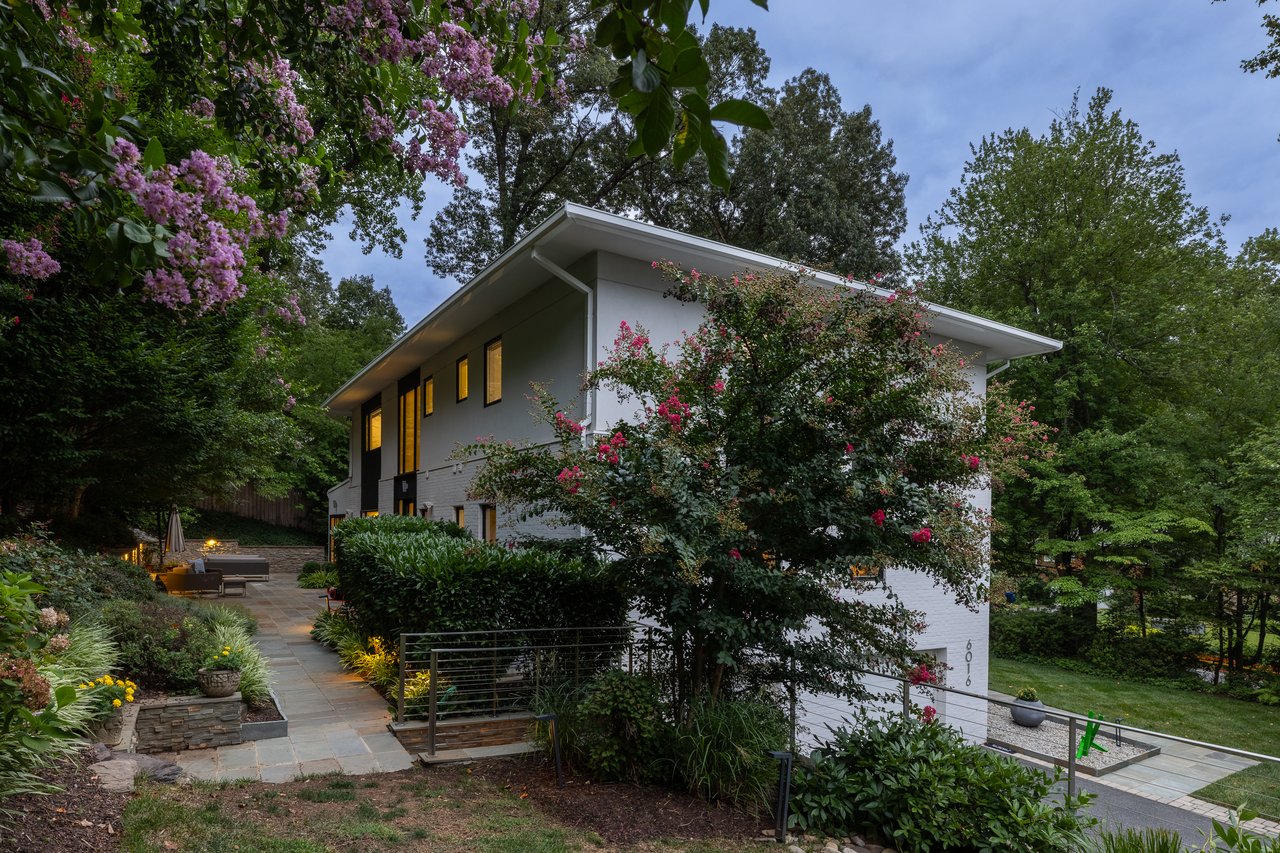
A classic mid-century modern silhouette is often long and low. The National Park Service describes Modern-era homes as using horizontal massing, low-pitched roofs, and overhanging eaves to create a calm, streamlined profile.
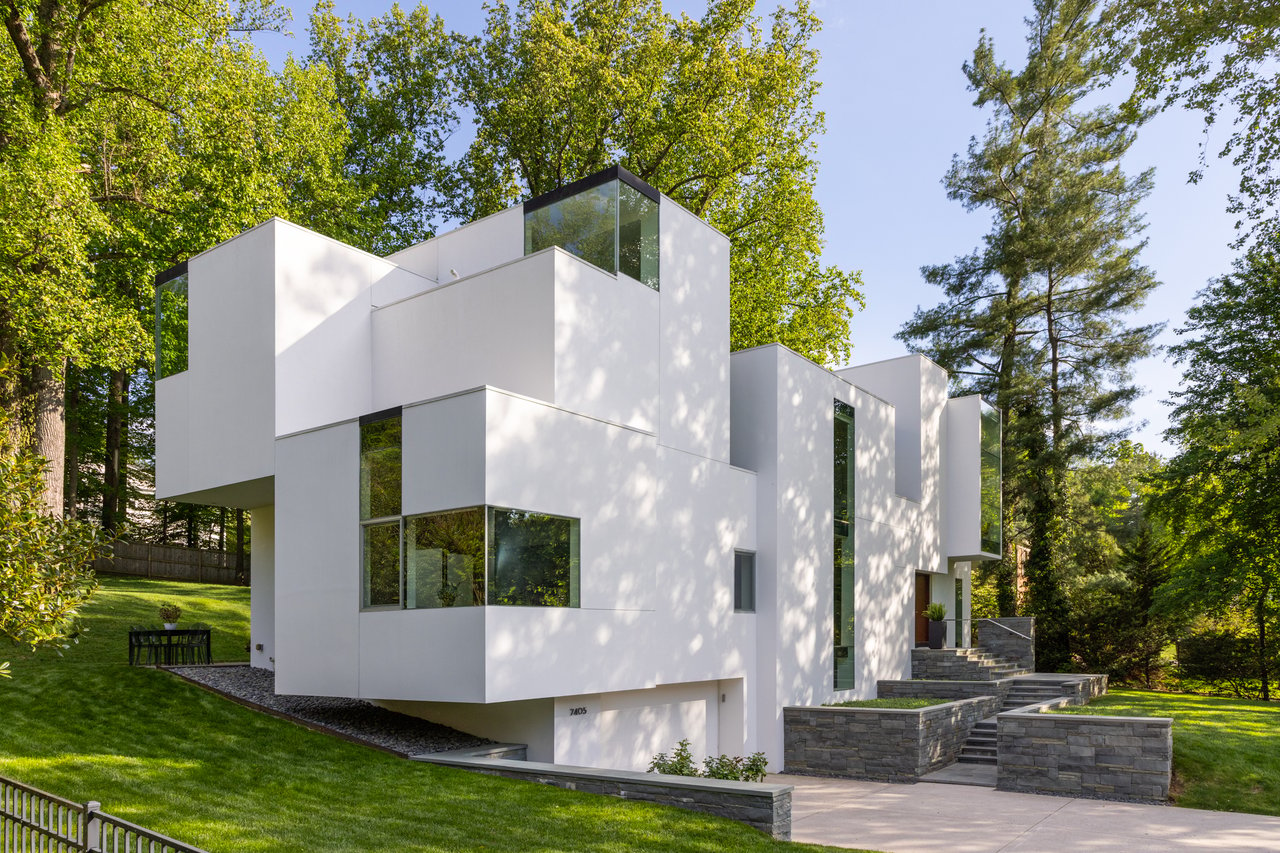
When you look at your home from the street, that overall shape may be one of its most important character-defining features. Changing the roof profile, raising sections in a way that dominates the original form, or interrupting the clean horizontal line can quickly alter how the house reads.
Glass and indoor-outdoor connection
Many mid-century homes rely on generous glazing to create openness and bring the landscape into daily life. Floor-to-ceiling windows, large picture windows, and sliding glass doors are common features tied closely to the style.
That means window rhythm and wall transparency are not minor details. They are often central to the architectural intent. Replacing them without considering scale, proportions, and visibility can reduce the sense of openness that gives the house its identity.
Open interiors and built-ins
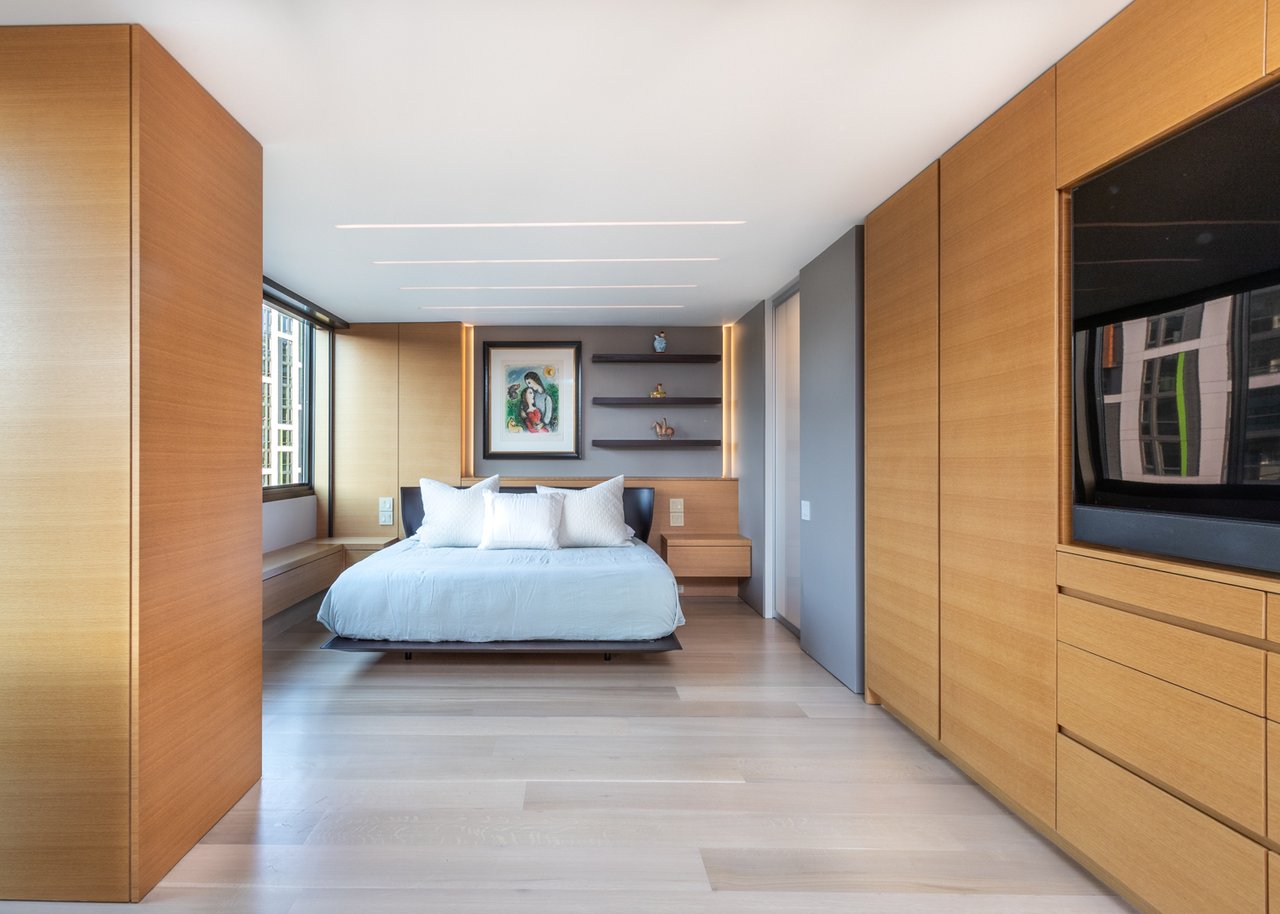
Inside, many homes from this era were designed around open floor plans and easy movement between shared spaces. The National Park Service notes that these interiors often feature large communal living areas, fewer partitions, built-ins, and strong visual connections between indoors and outdoors.
If you are planning interior work, preserving that sense of flow is often more important than preserving every finish. A renovation that keeps the spatial openness legible will usually feel more in tune with the house than one that chops the plan into smaller, more isolated rooms.
The site as part of the design
In Maryland, the setting is often part of the architecture. Montgomery Planning describes Potomac Overlook as a community designed in response to natural surroundings, topography, and tree canopy.
That same idea appears in broader Modern-era preservation guidance. Vegetation, views, circulation, grading, and the relationship between the building and its site often shape the design as much as the walls and roof do. In practical terms, the yard, approach, and landscape features may be part of what makes the property architecturally coherent.
How to update without losing character
The best preservation approach is usually stewardship, not strict restoration for its own sake. Maryland guidance and national preservation standards both support compatible change when the home’s defining materials, proportions, and site relationships remain visible.
Start with what can stay
Before planning a major addition, consider whether your new needs can be absorbed into secondary spaces. The National Park Service recommends this as a first step because it can reduce pressure on the parts of the house that carry the strongest architectural character.
For example, reworking a less prominent area may preserve the primary volume, street-facing facade, and signature roofline. That kind of restraint can make a meaningful difference in how authentic the finished home feels.
Keep additions subordinate
When an addition is necessary, placement and scale matter. Preservation guidance recommends preserving the historic building’s form and envelope, protecting significant materials and features, and keeping additions compatible in massing, size, and scale while still clearly distinguishable from the original.
In many mid-century modern homes, that means placing an addition at the rear or on an inconspicuous side when possible. A well-placed addition can support modern living while allowing the original design to remain the visual anchor.
Protect the silhouette
If you remember only one rule, let it be this: preserve the silhouette. Roof profile, overhangs, glazing patterns, and the long, open feel of the house usually do more to define mid-century character than decorative finishes.
An addition that interrupts those features often reads as a bigger loss than one that stays tucked behind the primary volume. The goal is not to make the house untouched. It is to make the original design still easy to read.
Think beyond the walls
Site features deserve the same level of attention as the building itself. Preservation guidance specifically notes the importance of landscape, grading, walls, fences, walkways, driveways, and other significant site elements.
That is especially relevant for Maryland homes where topography and tree canopy may be part of the original design response. Expanding a footprint or reworking circulation without considering those elements can weaken the house’s connection to the land.
Maryland preservation tools to know
If you are caring for a mid-century modern home in Maryland, it helps to understand the most common preservation tools and what they do.
Maryland Inventory and National Register
The Maryland Historical Trust says the Maryland Inventory of Historic Properties is primarily a documentation and planning resource. It does not create legal restrictions by itself.
MHT also notes that National Register listing recognizes significance and can make properties eligible for certain tax credits and grants, but it does not by itself restrict private owners. For many homeowners, these designations are best understood as recognition and opportunity rather than automatic control.
Local historic designation
Local designation works differently because it is tied to local ordinances. In places with local historic districts or landmark programs, exterior changes may be subject to design review.
In Montgomery County, for example, master-plan historic district designation can manage exterior alterations, help protect against demolition, and connect owners with care guidance and possible tax-related benefits. If your home is in a locally designated area, review requirements may shape your renovation path from the start.
Homeowner Tax Credit
Maryland also offers a practical financial tool for some preservation work. According to the Maryland Historical Trust, the Homeowner Tax Credit may provide a state income tax credit equal to 20% of eligible rehabilitation expenses, capped at $50,000 in a 24-month period.
Eligible work can include roof repair or replacement, window and door restoration, masonry repair, and interior finish restoration. One important detail is timing: the work must be approved before it begins.
Preservation easements
For owners thinking long term, preservation easements are another option. MHT defines them as legal agreements that protect a property’s historic character, run with the land, and can require approval before changes are made.
Montgomery County notes that easements may cover exterior, interior, and environmental features and can require review for construction, alteration, demolition, maintenance, or repair. That makes an easement a serious stewardship choice, not just a label.
What preservation can mean for resale
For design-minded buyers, authenticity matters. A mid-century modern home that still reads as true to its original architecture may feel more compelling than one that has been heavily altered without regard to proportion, materials, or site.
The safest way to think about resale is this: careful preservation can help a home feel authentic, documented, and well cared for. That may strengthen appeal to buyers who value architecture and provenance, though any price effect depends on the market and is never guaranteed.
For a specialized modern home, presentation also matters. When the design story is clear, buyers can more easily understand what makes the property distinct.
A practical preservation mindset
You do not need to choose between livability and character. In many cases, the best outcome comes from identifying the features that carry the design intent, then making updates that support daily life without overwhelming those features.
For a Maryland mid-century modern home, that often means respecting the roofline, preserving glass and openness, maintaining the relationship to the landscape, and understanding whether local review or preservation programs apply before work begins. With the right strategy, you can improve the house and still let its original architecture lead.
If you are preparing to buy, sell, or thoughtfully position a modern home in Maryland, working with a team that understands design intent can make the process clearer. listModern helps connect architecturally significant homes with buyers who value authenticity, provenance, and careful presentation.
FAQs
What defines a mid-century modern home in Maryland?
- Mid-century modern homes are often defined by long, low forms, low-pitched roofs, overhanging eaves, generous glass, open interiors, and a strong relationship to the site and landscape.
Does the Maryland Inventory of Historic Properties restrict what you can do?
- No. The Maryland Historical Trust says the Maryland Inventory is a documentation and planning tool, not a legal restriction by itself.
Can a local historic district affect exterior renovations in Maryland?
- Yes. Many Maryland counties and municipalities have local historic districts or landmark programs, and local designation often brings design review for exterior changes.
What should you protect during a mid-century modern addition?
- Focus on preserving the roof profile, overhangs, window rhythm, glass walls, overall massing, and the home’s relationship to the landscape and site.
Are there Maryland tax credits for preserving a historic home?
- The Maryland Historical Trust says its Homeowner Tax Credit may provide a state income tax credit equal to 20% of eligible rehabilitation expenses, up to $50,000 in a 24-month period, if the work is approved before it begins.
What is a preservation easement on a Maryland home?
- A preservation easement is a legal agreement that protects a property’s historic character, runs with the land, and may require approval before certain changes, repairs, or alterations are made.