By listModern
With insights from Ron Mangas, Jr
Value & Interpretation
A speculative home and an architect-designed home can share many of the same visible attributes.
Both may be modern. Both may use expensive materials, custom cabinetry, large expanses of glass, sophisticated lighting, and carefully considered finishes. Both may be exceptionally well built.
The distinction is rarely found in any one of those things. It emerges from the relationship between them.
Architect-designed homes are conceived as integrated works. Proportion, circulation, structure, light, materials, mechanical systems, and details are developed in relation to one another. Hundreds of decisions accumulate into a coherent whole.
That coherence can be difficult to name. It is often easier to feel.
The Difference Is Not a Feature
The conventional comparison between a spec home and a custom home tends to focus on features.
Cabinetry. Windows. Appliances. Lighting. Materials. Technology.
These comparisons can help explain construction costs, but they reveal much less about architecture.
An expensive collection of components does not necessarily produce an architecturally resolved home. Nor does architectural quality depend on using the most expensive component available.
The more meaningful question is whether the decisions belong to the same idea.
Ron Mangas, Jr. describes this quality as “tolerance.” Not tolerance in the engineering sense, but as a form of design tension and precision: space so carefully coordinated that the finished result can appear almost impossibly simple.
The simplicity is the result, not the absence, of complexity.
What Coherence Looks Like
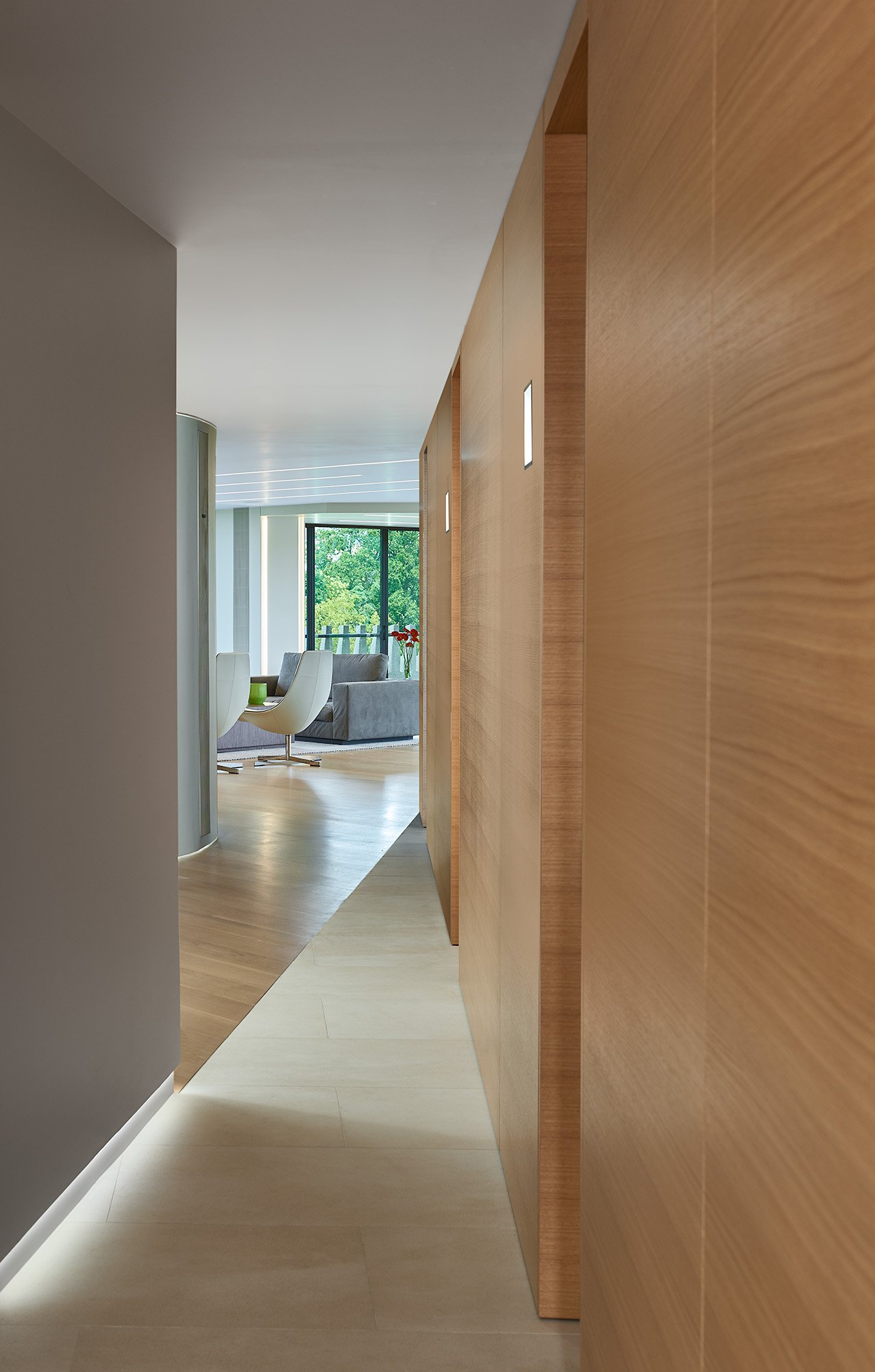
Consider a hallway.
Look across a sequence of doorways. In a resolved composition, the openings may align. Their heights establish a datum. Adjacent walls, transitions, and sightlines reinforce rather than interrupt it.
Nothing announces the decision. The alignment simply allows the space to read clearly.
The same principle can extend throughout a house.
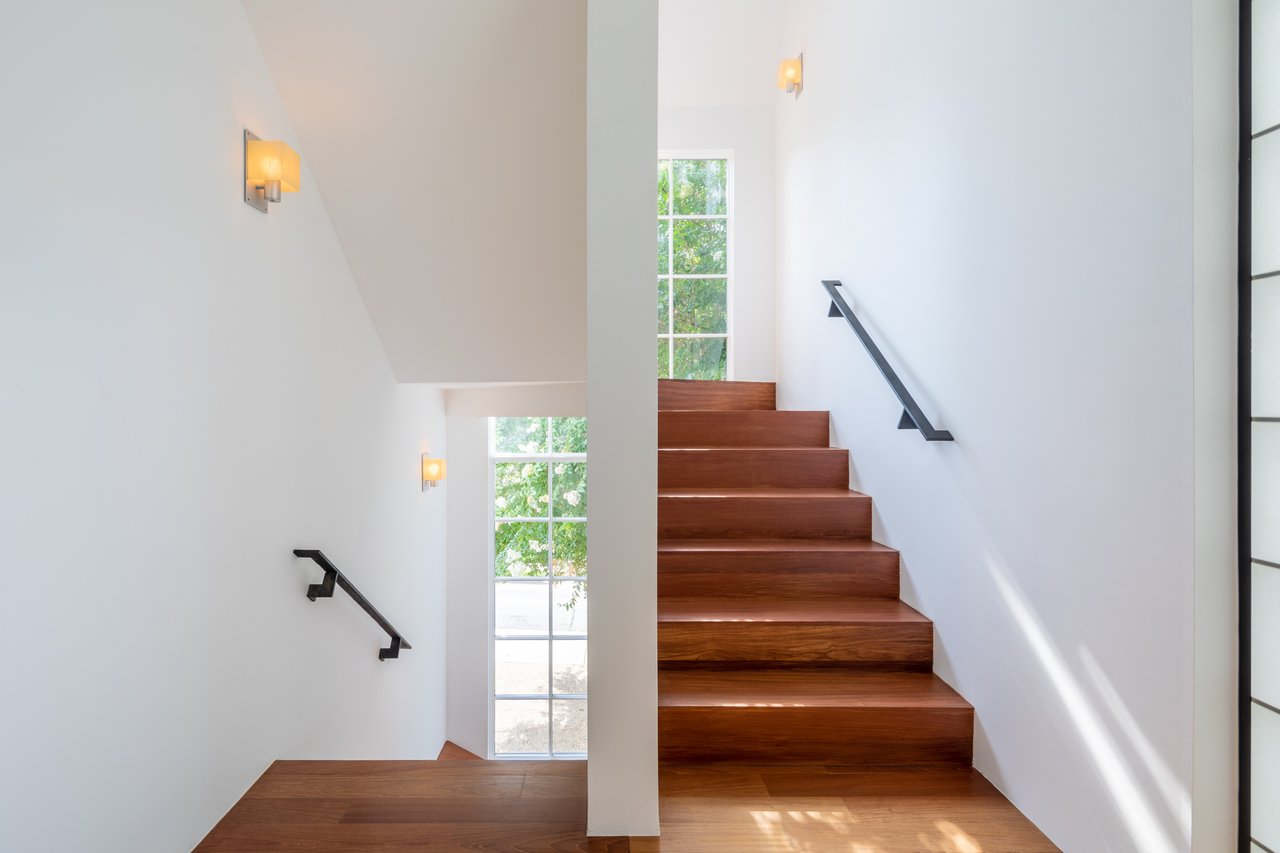
A soffit can be part of the architecture or a late solution to a mechanical problem. An air return can disappear into an intentionally composed surface or become an object attached to it. A wall reveal can continue through corners, stairs, adjacent rooms, and closets because those conditions were anticipated rather than solved independently.
These are not decorative upgrades. They are evidence of coordination.
Mangas points to lighting in much the same way. An expensive home may contain expensive fixtures, but fixture cost says little about the quality of the lighting design. The architectural question is more fundamental: What is the light intended to illuminate?
A table. A wall plane. A piece of art. A circulation path.
When placement follows spatial intent, lighting becomes part of the architecture.
The difference is not in extravagance. The difference is in resolution.
Architectural Quality Is Often Felt Before It Is Identified
A buyer does not need architectural training to experience these distinctions.
Someone may enter a room and recognize that it feels unusually calm without immediately identifying why. Circulation seems natural. Light arrives where it should. The eye moves through the space without unnecessary interruption.
The explanation may reside in dozens of decisions that were never intended to announce themselves.
Mangas compares this kind of discernment to experiencing art, food, or craft. Exposure develops vocabulary. Once someone has encountered exceptional millwork, differences in proportion, material, joinery, and execution become easier to recognize.
Architecture works similarly.
Experience sharpens perception. Proportion becomes more legible. Material transitions become more apparent. The difference between an integrated mechanical condition and an accommodated one becomes visible.
But architectural quality cannot be reduced to those observations individually. An aligned doorway is not proof of important architecture. Neither is a concealed air return or a continuous wall reveal.
The significance lies in accumulation.
Perception often precedes vocabulary. Understanding why a space feels resolved is another level of architectural literacy altogether.
Different Processes Produce Different Pressures
None of this makes speculative development inherently inferior.
A well-conceived spec home can be attractive, functional, carefully built, and highly desirable. Skilled builders make intelligent design decisions, and many speculative projects begin with serious architectural ambition.
However, the economic structure of speculative development matters.
A spec home is created before its eventual owner is known. Its developer assumes the financial risk and must balance construction cost, schedule, marketability, buyer expectations, and return. Repeatable details and proven solutions have legitimate value within that model.
Those pressures inevitably influence design decisions.
An architect-led home can operate differently. At its best, the process allows a specific site, program, client, and architectural idea to establish the logic of the project. A decision in one part of the house can inform another because the objective is not simply to assemble desirable components. It is to resolve a particular work.
Neither process is free from budgets. Architecture has always existed within constraints.
The distinction is what those constraints are asked to serve.
Features, Cost, and Authorship
The vocabulary surrounding high-end residential construction can obscure this distinction.
A home can be custom without being architecturally authored. It can look modern without embodying the spatial logic of modern architecture. It can contain exceptional materials and expensive systems without those elements forming a coherent whole.
Customization provides choice. Architecture provides an organizing idea.
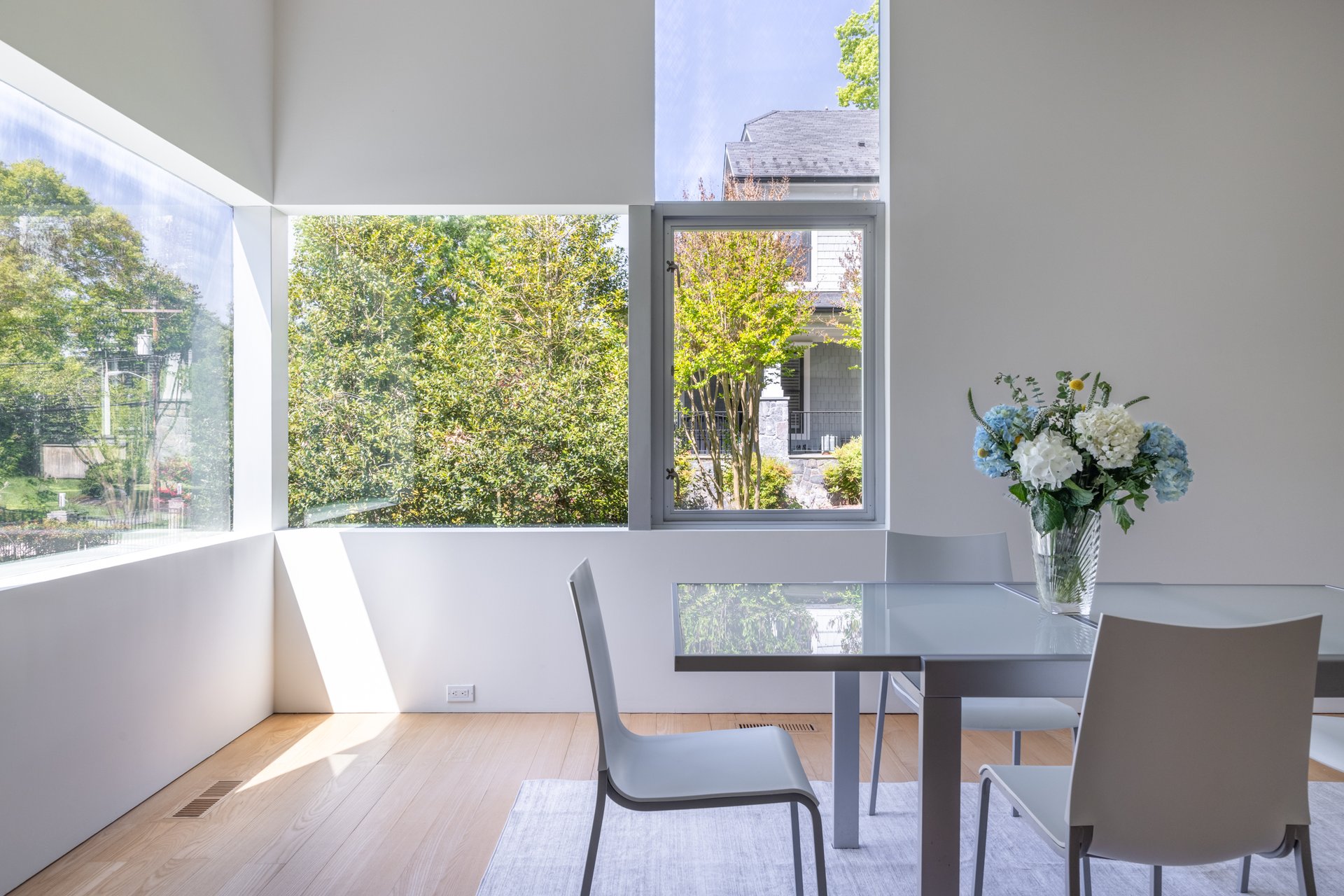
A change to a window, for example, is not merely a selection when considered architecturally. It affects elevation, proportion, interior light, structure, sightlines, and the relationship between inside and outside.
Architecture connects those consequences.
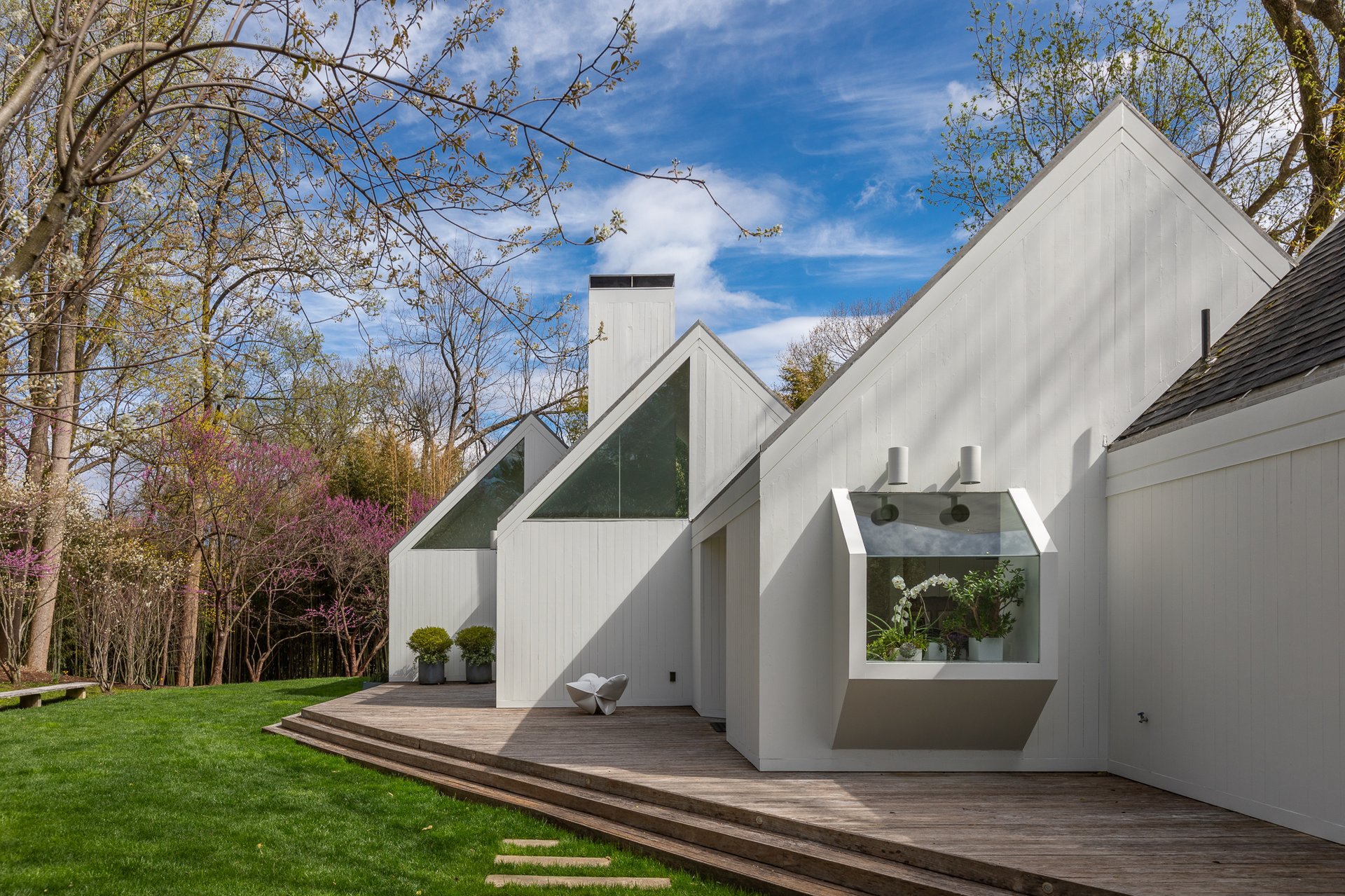
The same distinction applies to contemporary aesthetics. Flat roofs, large windows, minimal trim, open plans, restrained palettes, and linear details are widely available. Their presence can establish a visual language without necessarily establishing architectural coherence.
Minimal details can be particularly revealing. A simple wall reveal may require considerable planning to remain consistent through changes in plane, flooring transitions, stairs, corners, and adjoining spaces. Without that coordination, minimalism can become an applied aesthetic rather than the consequence of an architectural system.
Cost operates similarly.
Construction budgets can purchase rarer materials, sophisticated appliances, custom fabrication, advanced systems, and exceptional craftsmanship. Each can contribute materially to a home's quality.
But cost does not organize those elements; design does.
Two houses can occupy similar sites, contain similar square footage, and represent comparable construction investment while producing fundamentally different experiences. Traditional real estate measures remain useful for comparing properties, but they are less capable of describing spatial intelligence, authorship, or the consistency with which an architectural idea has been carried through.
This is where architectural value begins to separate from feature value.
The Evidence Is Cumulative
There is no single test that separates a speculative home from an architect-designed one.
That is precisely the point.
Architecture does not reveal itself through a branded appliance, a particular wall detail, or the presence of an architect's name on a drawing set. Authorship becomes legible through the consistency of the decisions.
Proportions relate. Openings establish order. Materials transition deliberately. Necessary systems become part of the composition rather than interruptions to it.
None of these decisions needs to call attention to itself.
The most resolved architect-designed homes can feel inevitable precisely because the complexity required to produce them has largely disappeared from view.
What remains is the experience of a house in which hundreds of individual decisions seem to belong to one another.
That is difficult to replicate through features alone, and once experienced, it becomes increasingly difficult not to see.
-
Continue
Explore Architects & Design
Understanding Architectural Value
Buying a Modern Home
Case Study: Representation is a Part of the Work