If you are selling a modern home in Virginia, you are not stepping into a quiet market. You are stepping into a market where buyers still move quickly, but they also compare more carefully and expect more from the homes they tour online and in person. That makes presentation, pricing, and documentation especially important for architecturally distinctive properties. Let’s dive in.
Virginia’s luxury market still rewards standout homes
Virginia’s market remained active in April 2026. Closed sales rose 4.5% year over year to 9,758, the median sold price reached $439,945, active listings climbed to 23,867, and the statewide median days on market was 10.
At the upper end, the signal is even more useful for modern-home sellers. Homes priced at $800,001 and above sold at an average of 101.7% of list price statewide. That suggests buyers are still willing to pay up when a luxury listing feels well-positioned and well presented.
For sellers of modern homes, that distinction matters. You are not just competing on square footage or finishes. You are often selling design, light, materials, provenance, and a living experience that needs to be understood before a buyer ever schedules a showing.
Northern Virginia sets the pace
For many Virginia luxury sellers, Northern Virginia is the most important reference point. In May 2026, the Northern Virginia Association of Realtors reported 1,958 closed sales, $1.817 billion in sold volume, a median sold price of $812,012, 15 average days on market, and 2,733 active listings.
Loudoun County also showed strong pricing and fast movement, with a median sold price of $790,256 and average days on market of 13. NVAR described the region as still a highly competitive seller’s market, even with modest inventory growth.
That does not mean every modern home will sell instantly. It means serious buyers are active, and they tend to respond quickly when a home feels rare, polished, and clearly priced. In a category as specific as modern luxury, that is a major advantage if your marketing is aligned with the property.
Why modern homes need a different selling strategy
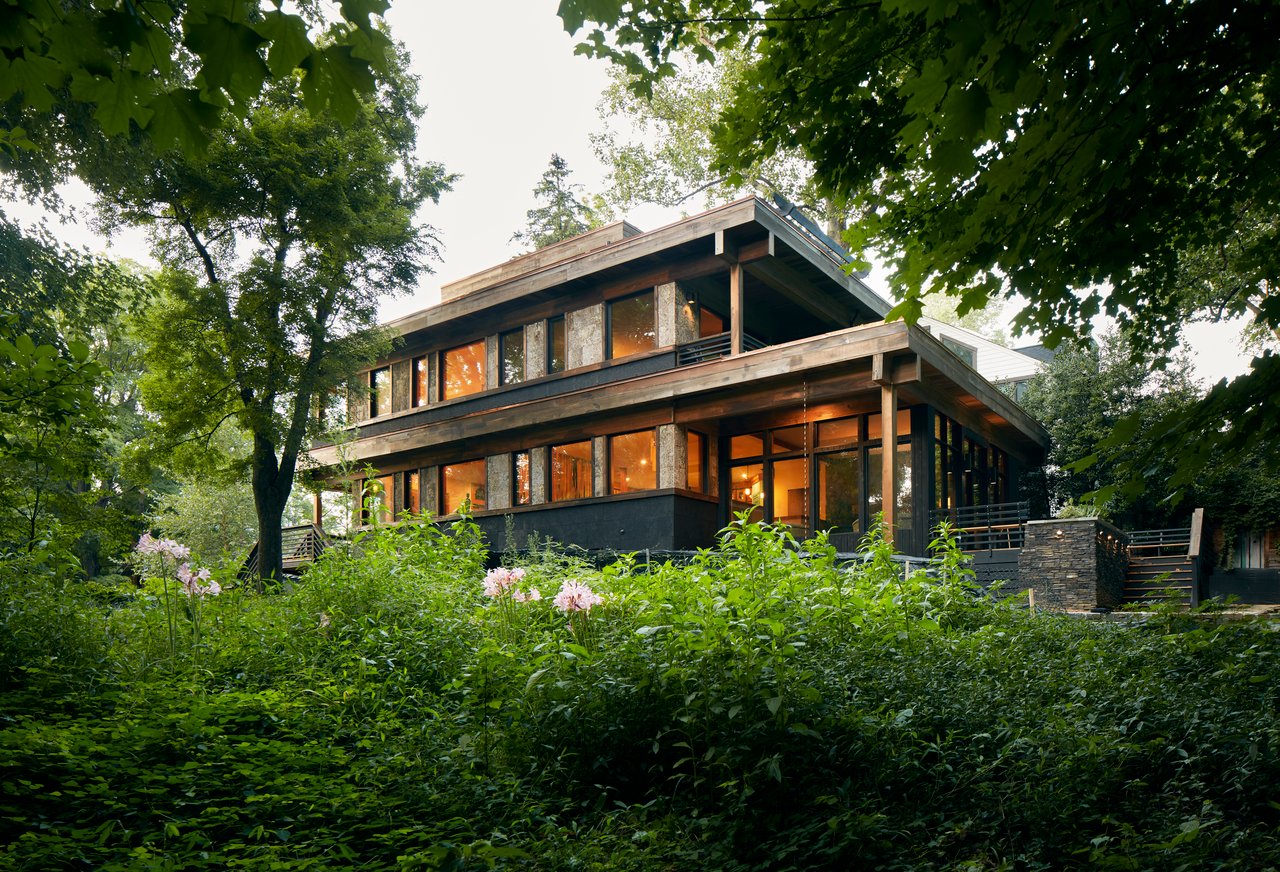
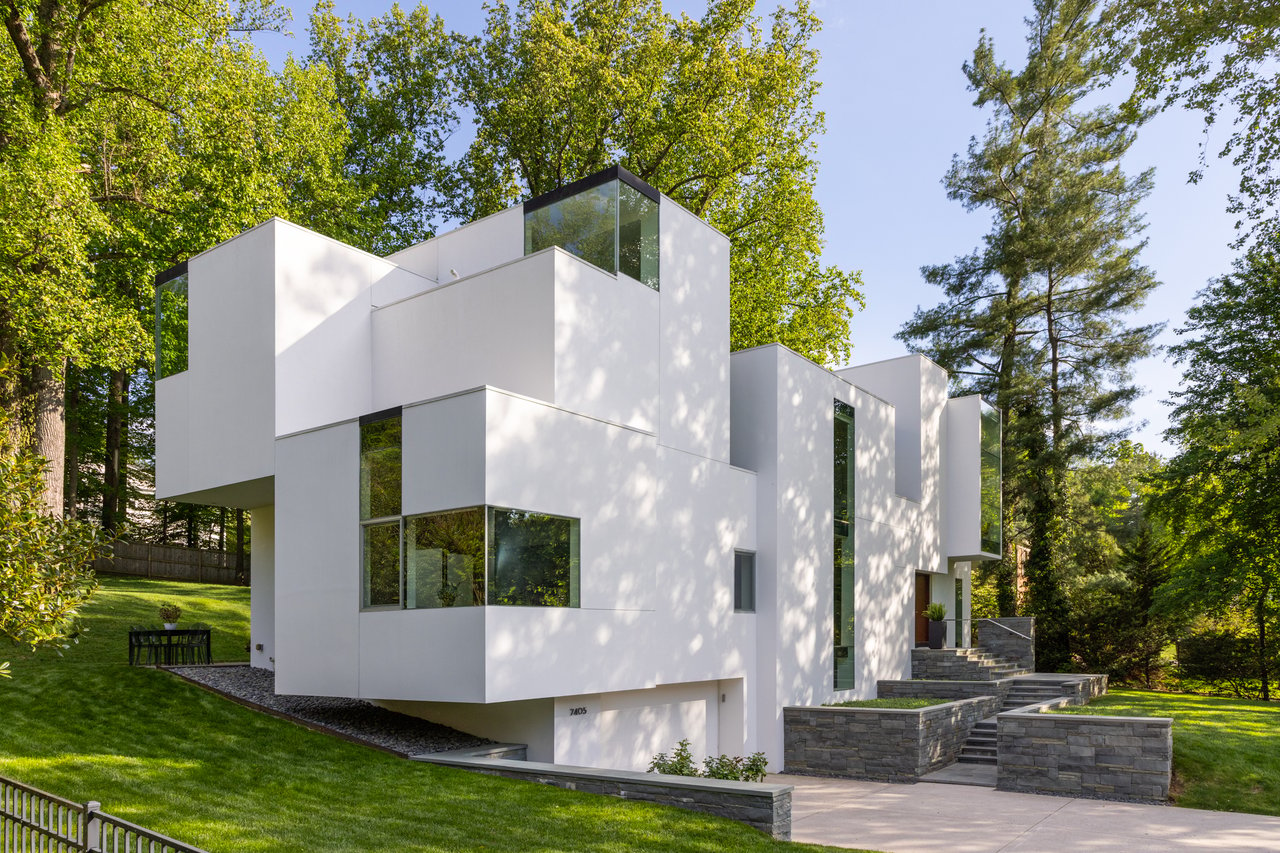
A modern home usually asks buyers to notice different things than a more conventional luxury listing. Clean lines, restrained detailing, walls of glass, custom materials, and architect-led planning can be compelling, but only if the story is told clearly.
That is where specialized representation matters. A design-driven home benefits from a marketing approach that explains why the property is special, not just what it includes. The right strategy helps buyers connect the home’s architecture to its value.
For a curated brand like listModern, that means translating design authenticity into buyer interest through editorial storytelling, strong visuals, and targeted exposure. The goal is not broad noise. The goal is reaching people who understand what they are seeing.
Pricing modern luxury homes with discipline
In a market where buyers have more choice, pricing is one of the clearest signals you send. Overpricing can reduce early momentum, which is especially risky for architecturally significant homes that depend on strong first impressions.
The statewide data show that higher-end homes can still outperform when positioning and pricing are aligned. That does not mean pricing high and hoping for the best. It means creating a price strategy that reflects the home’s architecture, condition, documentation, and market context.
Micro-market conditions matter here. Northern Virginia remains much tighter than a balanced market, with 1.83 months of supply reported in April 2026 across the NVAR footprint. Other parts of Virginia have seen different inventory patterns, so your pricing strategy should reflect your exact location rather than broad statewide assumptions.
Documentation matters in Virginia
Virginia follows a buyer-beware disclosure framework. Under the current Residential Property Disclosure Statement from the Virginia Department of Professional and Occupational Regulation, owners make no representations or warranties about a wide range of property conditions, and buyers are directed to perform their own due diligence.
That structure makes organization especially valuable when you are selling a modern or architect-designed home. A clean, credible listing package can help buyers understand the property faster and move forward with more confidence.
Useful materials may include:
- Original plans or renovation drawings
- Permit history
- Material and finish specifications
- Dates for key updates
- Warranty information
- Survey documents
- Maintenance records
This is not about overwhelming a buyer with paperwork. It is about showing that the home has been thoughtfully maintained and that its story is supported by records, not guesswork.
Design provenance can influence buyer confidence
Many modern homes have details that buyers will want explained. That may include the architect, the design period, a major renovation, or the way the house relates to its site.
In Virginia, that context becomes even more useful when a property may involve historic district ordinances, resource protection areas, flood zone questions, wastewater systems, or other location-specific considerations covered in the state disclosure framework. Buyers do not need a legal lecture, but they do want clarity.
For premium listings, design provenance and regulatory context often support a smoother process. When buyers understand both the architecture and the practical details upfront, they can focus on whether the home is the right fit instead of getting stuck in uncertainty.
Presentation should clarify the architecture
Modern homes rarely benefit from heavy-handed styling. Their strength often comes from proportion, natural light, flow, and the relationship between materials and space. Good presentation should reveal those qualities, not distract from them.
That approach is supported by recent staging research. In the 2025 Profile of Home Staging, 83% of buyers’ agents said staging makes it easier for buyers to visualize the home as a future residence.
The same report showed how media shapes first impressions. Seventy-three percent said listing photos were important to clients, while 57% cited physical staging, 48% videos, and 43% virtual tours.
For a modern luxury property, that points to a selective, architecture-aware approach. The objective is to make scale, circulation, and light legible in photos and video while preserving the home’s original intent.
Focus staging on the rooms that matter most
If you are deciding where to invest, the same staging report offers a practical guide. The living room, primary bedroom, and kitchen were the rooms buyers’ agents most often identified as important to stage.
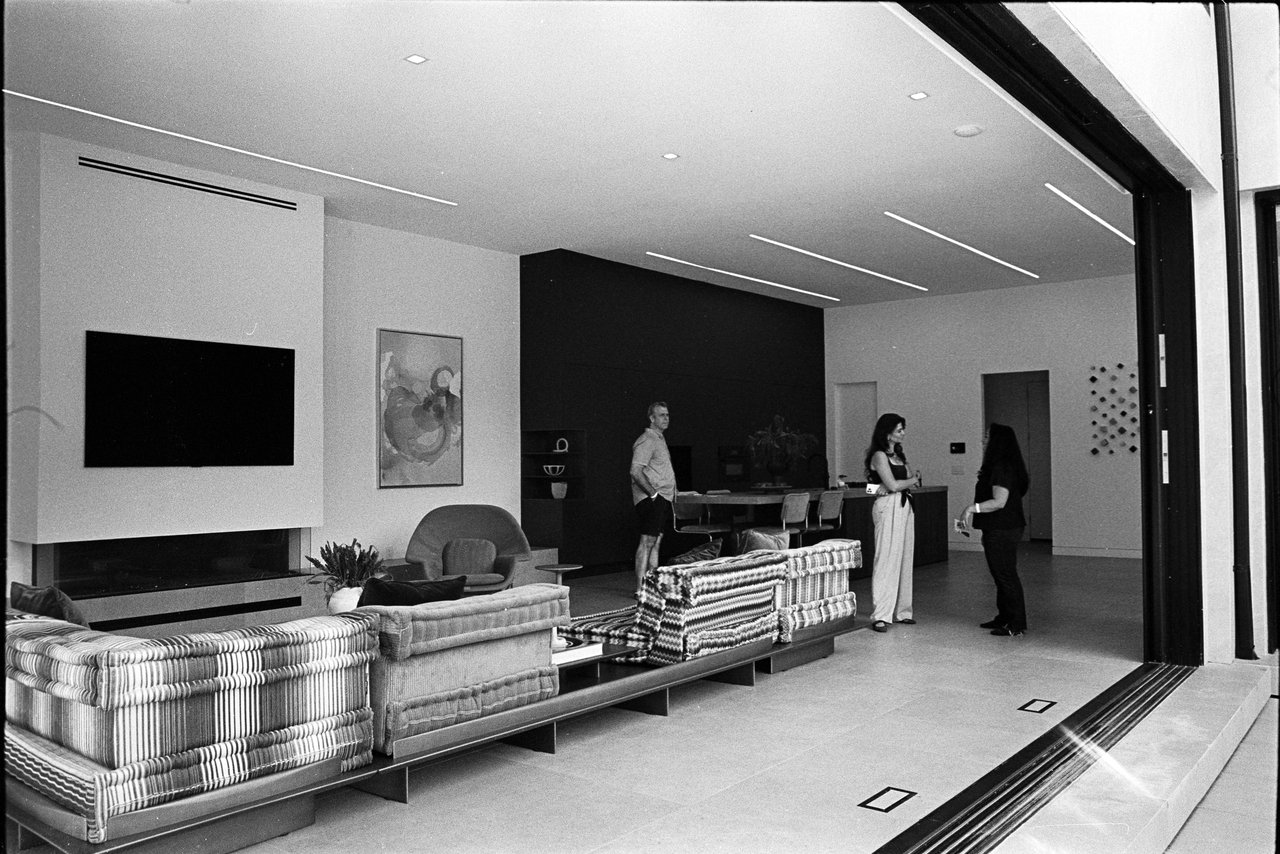
That is useful for modern homes because those rooms often carry the clearest architectural moments. A living room may showcase glazing, ceiling height, and views. A kitchen may express the home’s material palette and level of craftsmanship. A primary suite may reinforce calm, privacy, and spatial flow.
Selective staging can also prevent a common problem. The report found that 48% of respondents said buyers expect homes to look staged like they do on TV, and 58% said buyers were disappointed when homes looked less polished than expected. In other words, your online presentation needs to match the in-person experience.
High-end media is not optional
Luxury buyers often decide whether a home is worth visiting based on its visuals. That is especially true for modern architecture, where the emotional appeal can be difficult to capture with standard listing photography alone.
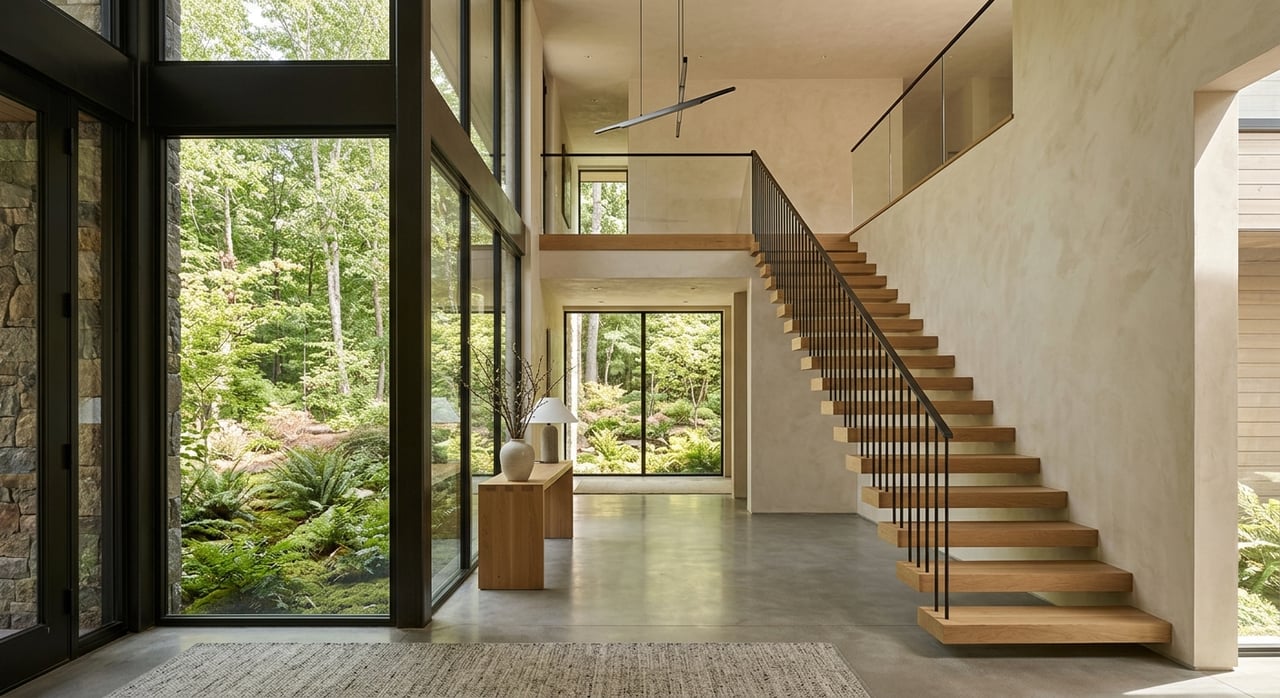
Editorial-quality photography should do more than record rooms. It should show light, texture, alignment, and how spaces connect. Video and virtual tours can add another layer by helping buyers understand sequence and flow before they step inside.
For a brand like listModern, this is a natural advantage. High-end media production and editorial storytelling are central to the platform, which allows a listing to feel curated rather than merely posted. That difference can help a distinctive home stand apart in a market where buyers have more options.
Marketing should be targeted, not generic
Virginia is not one uniform luxury market. Statewide reporting shows that inventory trends vary by region, with some markets tightening and others seeing stronger gains in new listings.
That is why a modern-home campaign should be micro-market specific. In many cases, Northern Virginia should be the first marketing priority because of its strong prices, quick absorption, and seller-favored supply conditions.
From there, broader reach should be selective and strategic. A design-driven property may also benefit from exposure to buyers across the wider DMV and, when appropriate, from private or off-market distribution channels that reach a more specific audience. The right plan depends on the architecture, location, and likely buyer pool.
What sellers can do before listing
If you want to maximize your result, preparation starts well before the home goes live. A modern home tends to reward thoughtful pre-listing work because buyers notice both quality and inconsistency quickly.
A strong pre-listing checklist may include:
- Organizing permits, plans, and maintenance records
- Identifying any deferred repairs or finish touch-ups
- Refining staging with restraint
- Planning photography, video, and virtual tour production
- Building a clear design narrative around the home
- Setting a price based on current local market data
Each step supports the same outcome. You want buyers to see the home clearly, understand its value, and feel confident acting when they do.
The best result comes from alignment
Selling a modern home in Virginia’s luxury market is not about following a generic luxury playbook. It is about aligning pricing, presentation, documentation, and audience with the architecture itself.
When that alignment is in place, a distinctive home can command attention even in a more selective market. Buyers are still active across Virginia, and especially in Northern Virginia, but they are responding fastest to homes that feel intentional from the first photo to the final showing.
If you are preparing to sell a design-driven property and want a strategy built around architecture, storytelling, and targeted exposure, listModern can help.
FAQs
Do modern homes in Virginia need staging?
- Usually, yes. Selective staging can help buyers understand scale, light, and layout, and staging research shows buyers rely heavily on photos, video, and polished presentation.
Is Virginia a heavy-disclosure state for home sellers?
- Virginia uses a buyer-beware framework, which means buyers are directed to perform their own due diligence and sellers do not make broad warranties about many property conditions under the state disclosure form.
Where should a Virginia modern luxury home be marketed first?
- In many cases, Northern Virginia is the first priority because recent data show strong pricing, quick sales pace, and seller-favored supply conditions.
What documents help when selling an architect-designed home in Virginia?
- Helpful documents can include plans, permits, renovation dates, surveys, warranties, and maintenance records that give buyers clearer insight into the home.
Why does media matter so much for modern luxury listings?
- Modern homes often need strong photography, video, and virtual tours to show design character, natural light, materials, and flow before a buyer visits in person.